In Cameroon, the manufacturing sector faces unique environmental challenges, where high humidity and tropical temperatures can accelerate the wear and corrosion of standard slitting machine blades. Local workshops often struggle with the balance between cost-effective sourcing and the need for high-grade tungsten carbide or tool steel to maintain cutting edges.
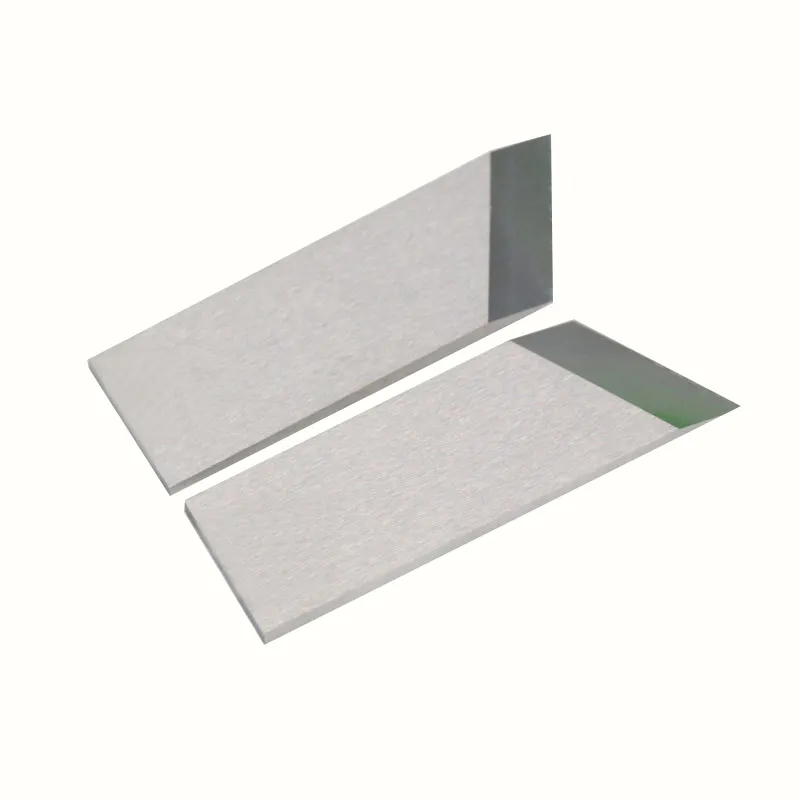
The current market is characterized by a transition from manual cutting processes to semi-automated lines. As Douala and Yaoundé expand their industrial hubs, the demand for straight cutting blade technology has surged, particularly in the packaging and textile industries where precision is non-negotiable.
Furthermore, the agricultural processing sector, a cornerstone of Cameroon's economy, is increasingly adopting mechanized slicing. This has created a specialized niche for high-durability tomato slicer blades that can withstand the acidic nature of produce while maintaining a clean, consistent cut.