See us at E-Waste World Expo 2026 ( Booth D136 ) June 17-18th , Messe Frankfurt, Germany

High-Performance rotary slitter knives Solutions for Tanzania

Precision-engineered cutting components designed to withstand the rigorous industrial demands of the Tanzanian manufacturing sector.

High-Performance rotary slitter knives Solutions for Tanzania

We provide world-class precision cutting tools that optimize production efficiency for metal sealing and general component manufacturing across Tanzania, ensuring minimal waste and maximum durability.

Industrial Cutting Landscape in Tanzania

Analyzing the challenges of tool wear in East Africa's growing manufacturing hub.

In Tanzania, the manufacturing sector is experiencing a surge in demand for packaging and metal processing. However, the tropical coastal climate, characterized by high humidity in regions like Dar es Salaam, significantly accelerates the oxidation and corrosion of standard slitting machine blades, leading to frequent downtime and increased maintenance costs for local factories.

The local market currently relies heavily on imported generic components. Many workshops struggle with "edge collapse" when processing heavy-gauge metal seals or industrial foils, as the available tools often lack the heat-treatment depth required for the high-ambient temperatures and continuous operation cycles common in Tanzanian industrial zones.

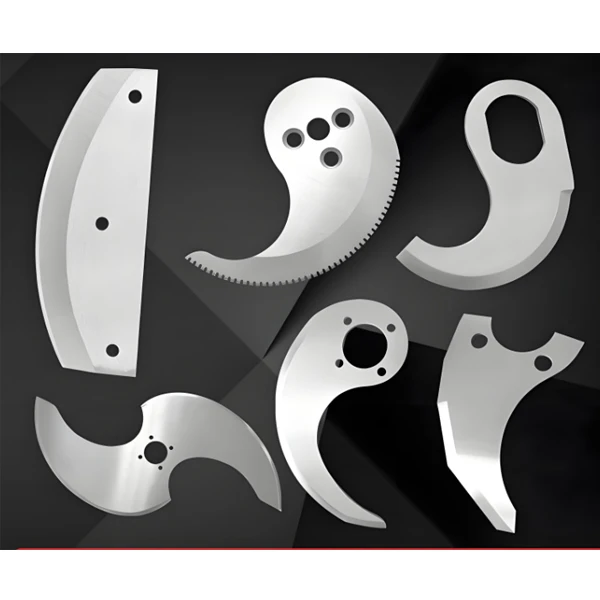
Furthermore, the rise of the agricultural processing industry in the hinterlands has created a niche demand for specialized food-grade tools. The need for precision tomato slicer blades has grown alongside the modernization of food preservation plants, shifting the market from manual cutting to automated high-speed precision slicing.
Evolution of Precision Cutting in Tanzania

From traditional manual shears to automated CNC-grade slitting technology.

Market Development History

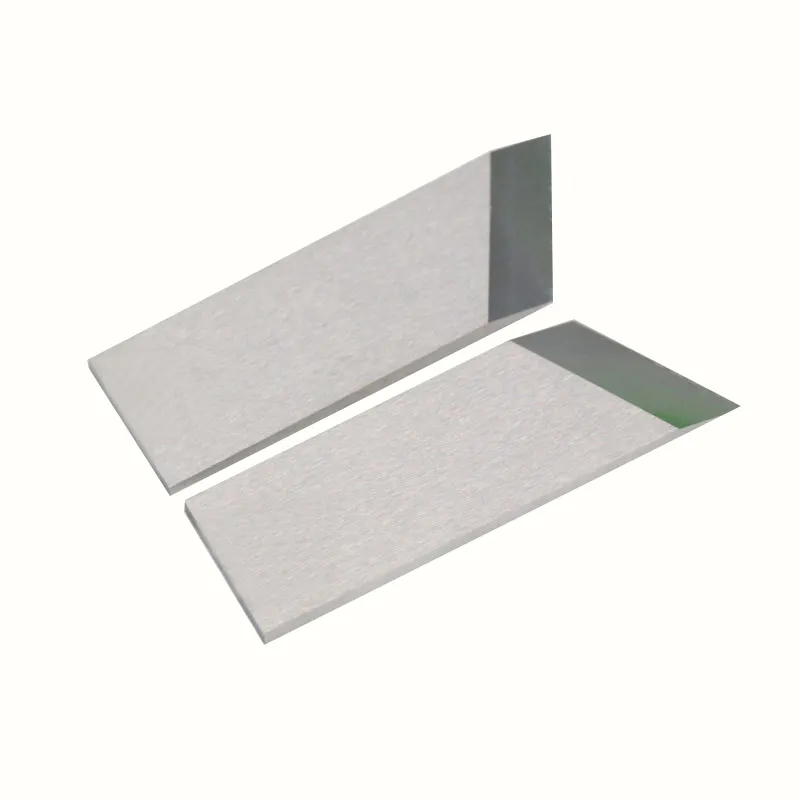
Prior to 2010, the Tanzanian general components industry primarily used basic carbon steel tools and manual straight cutting blade configurations. These tools required daily sharpening and offered poor dimensional stability, limiting the precision of metal seal production.

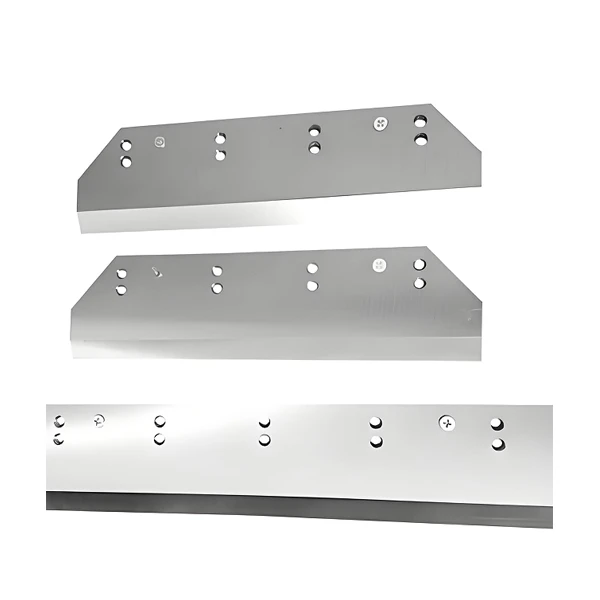
Between 2011 and 2018, the introduction of semi-automated machinery led to the adoption of tungsten carbide inserts. This era marked a transition toward "industrialization," where factories began implementing shear slitting knives to handle larger volumes of industrial foil and metal sheets with higher consistency.

From 2019 to the present, the focus has shifted toward "Smart Manufacturing." The integration of high-precision coatings (such as TiN and DLC) has become essential to combat the abrasive nature of local raw materials and the corrosive effects of the humid East African environment.

Future Development Trends

Transition to Nano-Coated Alloys

We predict a shift toward nano-crystalline coatings that offer 3x the hardness of traditional alloys, specifically to reduce the friction heat generated during high-speed rotation.

Automation in Food Processing

As Tanzania scales its export of processed produce, the adoption of automated, hygienic slicing systems will drive a surge in demand for medical-grade stainless steel precision blades.

Predictive Maintenance Integration

The trend is moving toward "intelligent blades" equipped with wear-sensing technology, allowing Tanzanian plant managers to replace blades based on actual wear data rather than fixed calendars.

Industry Trends & Future Outlook

Strategic forecasting for the metal components and sealing industry in Tanzania.

Material Science Upgrade
Shift towards cobalt-enriched high-speed steels to handle the high-temperature industrial environment of Tanzania.
Precision Geometry
Implementing micron-level tolerances to reduce material scrap in metal seal manufacturing.
Eco-Friendly Coatings
Developing non-toxic, food-safe coatings for the expanding Tanzanian agri-food processing sector.
Supply Chain Localism
Optimizing logistics to ensure just-in-time delivery of cutting tools to Dar es Salaam and Arusha.

Industry Outlook

Based on Google search trend logic for "Industrial Automation Africa," there is a clear shift towards higher-precision tooling. Tanzania is moving away from "good enough" tools toward "high-performance" specifications to compete in the East African Community (EAC) market.

In the next 3-5 years, we expect the integration of AI-driven wear analysis. This will allow Tanzanian manufacturers to optimize the lifespan of their rotary knives, reducing the total cost of ownership and improving the yield of metal sealing components.

Localized Application Scenarios in Tanzania

Practical implementations of our cutting solutions across various Tanzanian industries.

01. Metal Seal Gasket Manufacturing in Dar es Salaam

Utilizing high-precision rotary slitter knives to cut industrial gaskets for the oil and gas sector, ensuring zero-leakage precision under extreme pressure.

02. Agri-Food Processing in Arusha

Deployment of specialized tomato slicer blades in automated canning lines, optimizing slice uniformity for export-grade tomato products.

03. Packaging Foil Production in Mwanza

Implementing high-speed slitting machine blades for the production of aluminum foil packaging used in the local pharmaceutical industry.

04. Heavy Industrial Component Shearing

Using reinforced shear slitting knives for processing heavy-duty metal strips used in the construction of mining equipment for the Lake Victoria gold belt.

05. Precision Trim Operations

Application of straight cutting blade systems for the final trimming of rubber and composite seals used in automotive assembly plants.

Brand Story

Global Development History of Hebei Shunou Technology Co., Ltd.

Foundation & Precision Focus

Established with a mission to solve the core pain point of "edge instability" in industrial cutting, we began by perfecting the metallurgy of high-carbon steel blades.

Technological Breakthrough

We pioneered advanced heat-treatment processes that extended blade life by 40%, specifically targeting the abrasive materials used in general component manufacturing.

Global Market Expansion

Expanding our footprint into Africa, we customized our product lines to withstand the unique climatic and industrial challenges of markets like Tanzania.

Certification & Quality Standards

Achieved international quality certifications, ensuring that every blade delivered meets the strictest tolerances for industrial metal sealing applications.

The Future of Cutting

Today, we lead the way in smart-tooling, integrating material science with precision engineering to empower manufacturers worldwide.

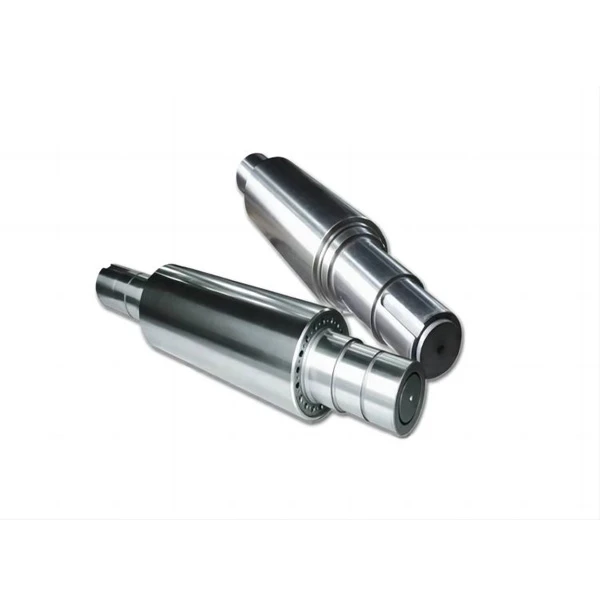
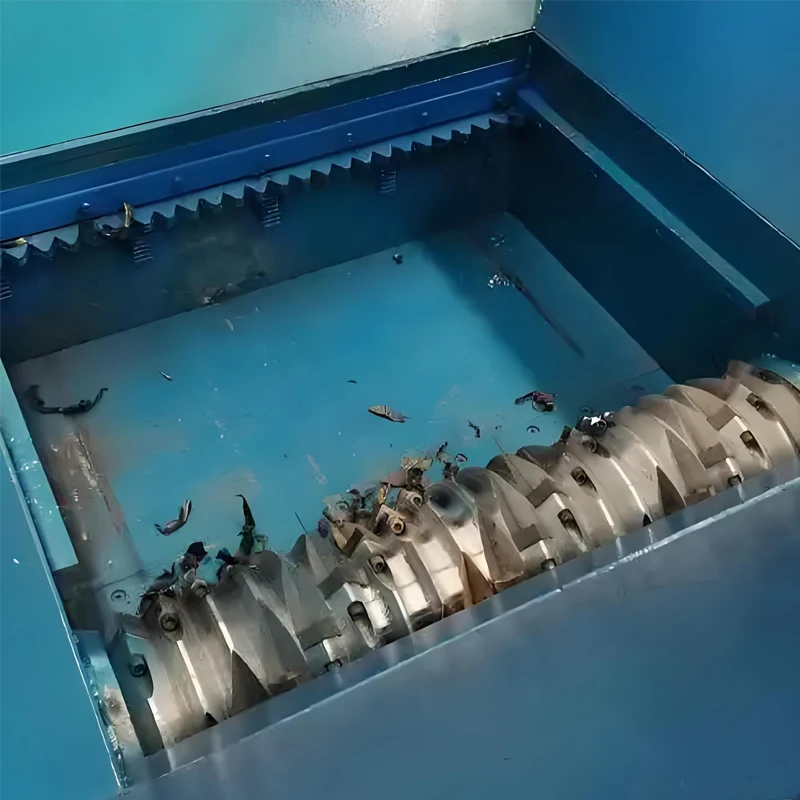
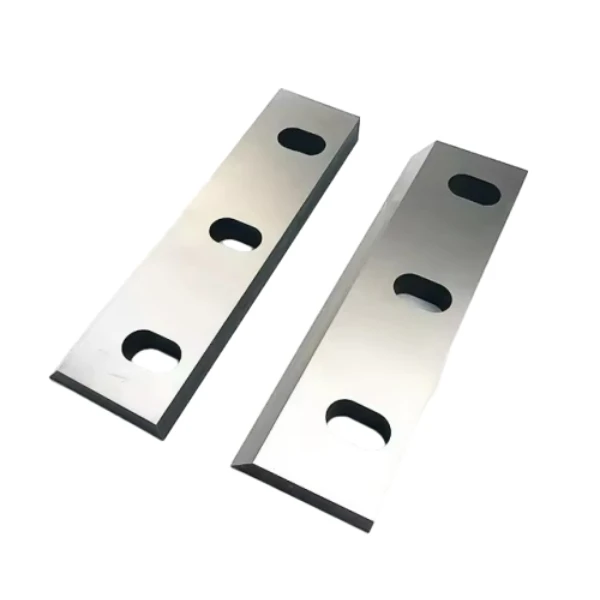
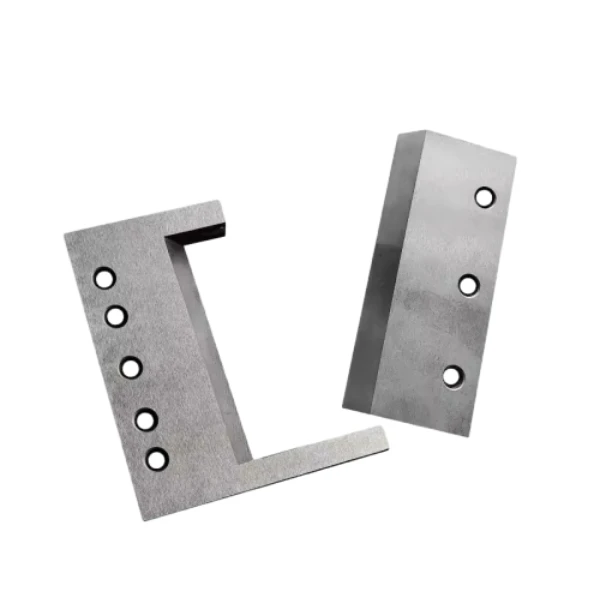
Complete Cutting Tool Portfolio for Tanzania

A comprehensive range of blades engineered for the diverse needs of the Tanzanian industrial sector.

Tanzania Industrial Cutting FAQ

Expert answers to common technical queries from our local partners.

How to prevent corrosion of slitting machine blades in humid coastal regions like Dar es Salaam?

We recommend using our DLC (Diamond-Like Carbon) coated blades, which provide an inert barrier against humidity and saltwater aerosols, significantly reducing oxidation compared to uncoated steel.

What is the ideal material for rotary slitter knives when cutting high-tensile metal seals?

For high-tensile applications, we suggest Tungsten Carbide or Powder Metallurgy (PM) steel, which offers superior hardness and edge retention under high-stress cutting conditions.

Can your tomato slicer blades be customized for specific fruit densities in Tanzanian produce?

Yes, we can adjust the bevel angle and serration pattern of the blades to match the specific fiber density of local produce, ensuring a clean cut without crushing the fruit.

How often should a straight cutting blade be replaced in a high-volume factory?

While it depends on the material, our high-performance blades typically last 3-5 times longer than generic alternatives. We recommend monitoring the edge burr quality every 50,000 cycles.

What are the advantages of shear slitting knives over traditional shearing tools?

Our shear slitting knives utilize a precise clearance ratio that reduces the "roll-over" effect on the material edge, resulting in a cleaner cut and less waste during the slitting process.

Do you provide technical support for blade installation in Tanzania?

We provide detailed digital installation guides and remote technical consultation to ensure your blades are aligned perfectly, preventing premature wear and uneven cutting.

Ready to Upgrade Your Production?

Get in touch with our experts today for precision cutting solutions tailored to the industrial requirements of Tanzania.

Contact Us Now

If you are interested in our products, you can choose to leave your information here, and we will be in touch with you shortly.