
See us at E-Waste World Expo 2026 ( Booth D136 ) June 17-18th , Messe Frankfurt, Germany

High-Precision rotary slitter knives Solutions for Bangladesh Industry

Providing world-class metal sealing and cutting components to empower the manufacturing growth of Bangladesh with unmatched durability and precision.

High-Precision rotary slitter knives Solutions for Bangladesh Industry

Optimizing industrial cutting efficiency across Bangladesh's textile, packaging, and food processing sectors through advanced metallurgy and precision engineering.

Industrial Cutting Landscape in Bangladesh

Analyzing the demand for high-performance slitting components in South Asia's emerging hub.

Bangladesh's manufacturing sector, particularly in the RMG (Ready-Made Garments) and packaging industries, operates in a high-humidity environment that accelerates tool wear. The reliance on slitting machine blades has grown as factories transition from manual processes to automated high-speed production lines to meet global export demands.

Currently, the market faces a challenge with tool longevity. Many local facilities utilize standard steel components that struggle with the heat generated during continuous operation. This creates a critical need for specialized shear slitting knives that can maintain edge sharpness under intense industrial stress.

Economic shifts toward diversified manufacturing mean that precision is no longer optional. From the processing of polymers for packaging to the food industry's need for tomato slicer blades, the demand is shifting toward premium materials like Tungsten Carbide and high-speed steel to reduce downtime.
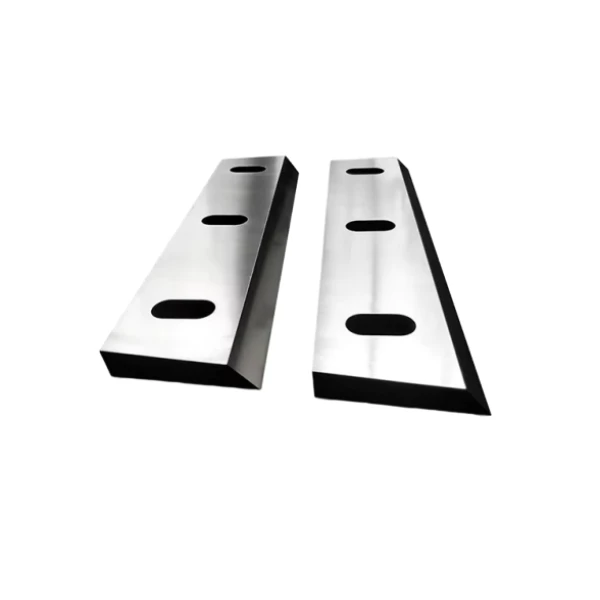
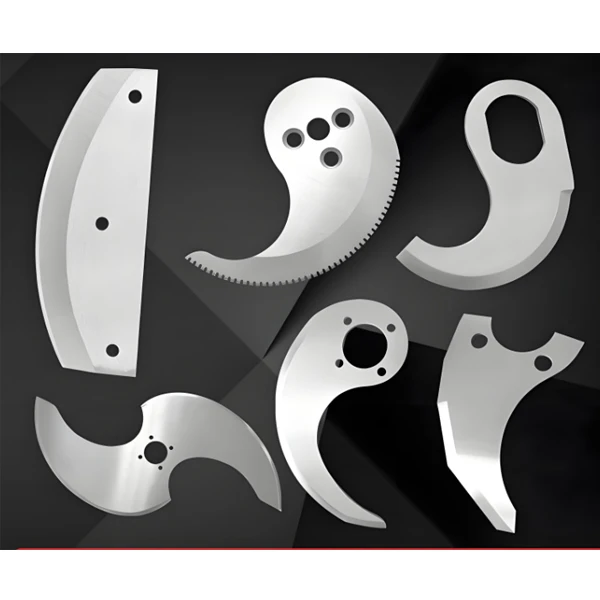
Evolution of Cutting Technology in Bangladesh

From traditional mechanical shearing to computerized precision slitting.

Market Development History

In the early 2000s, the Bangladesh industrial landscape relied heavily on basic carbon steel blades. These tools required frequent manual sharpening and offered low consistency, often resulting in significant material waste during the slitting process.

Between 2010 and 2020, the introduction of automated machinery saw the rise of straight cutting blade technology. This era marked the shift toward standardized industrial dimensions and the adoption of alloy steels to handle increased production speeds.

From 2021 to the present, there has been a surge in "Smart Manufacturing." Local factories are now integrating high-precision tolerances and specialized coatings (like TiN or DLC) to extend the life of their cutting tools in the face of aggressive production quotas.

Future Development Trends

AI-Driven Wear Prediction

Integration of sensors in slitting assemblies to predict when blades require replacement, reducing unplanned downtime in Dhaka's industrial zones.

Ultra-Hard Material Adoption

A transition toward nano-crystalline alloys that offer 3x the lifespan of traditional steel, specifically for heavy-duty industrial slitting.

Sustainable Tooling Cycles

Development of circular economy models where worn blades are recycled and re-manufactured using eco-friendly smelting processes.

Industrial Trends & Future Outlook

Strategic projections for the metal sealing and cutting components sector.

Precision Automation
Shifting toward zero-tolerance cutting systems to minimize material scrap in high-volume production.
Advanced Metallurgy
Use of cobalt-bonded carbides to resist the corrosive effects of industrial lubricants and humidity.
Customized Geometry
Tailoring blade angles specifically for the varying thicknesses of synthetic polymers used locally.
Rapid Delivery Hubs
Establishing localized logistics to ensure critical cutting tools reach factories in hours, not weeks.

Industry Outlook

Based on search trends and industrial growth data, the demand for precision slitting in Bangladesh is expected to grow by 12% annually. As the country diversifies into pharmaceutical packaging and electronics, the requirement for medical-grade cutting precision will surge.

We anticipate a shift toward integrated "Blade-as-a-Service" models, where manufacturers focus on total cost of ownership rather than initial purchase price, prioritizing long-term edge retention and energy efficiency.

Localized Application Scenarios in Bangladesh

Practical implementations of precision cutting tools in regional industries.

1. Textile Packaging Film Slitting

Utilizing high-speed slitting machine blades to process BOPP and PET films for the garment export sector, ensuring clean edges without melting.

2. Food Processing & Canning

Implementation of stainless-steel tomato slicer blades in regional food processing plants to maintain hygiene and consistency in vegetable slicing.

3. Industrial Paper & Cardboard Conversion

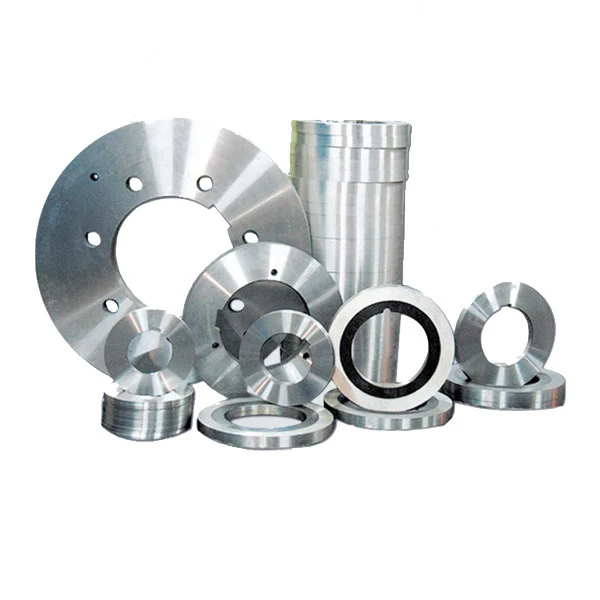
Deploying heavy-duty rotary slitter knives for the conversion of large cardboard rolls into precise packaging boxes for electronics.

4. Metal Foil & Strip Processing

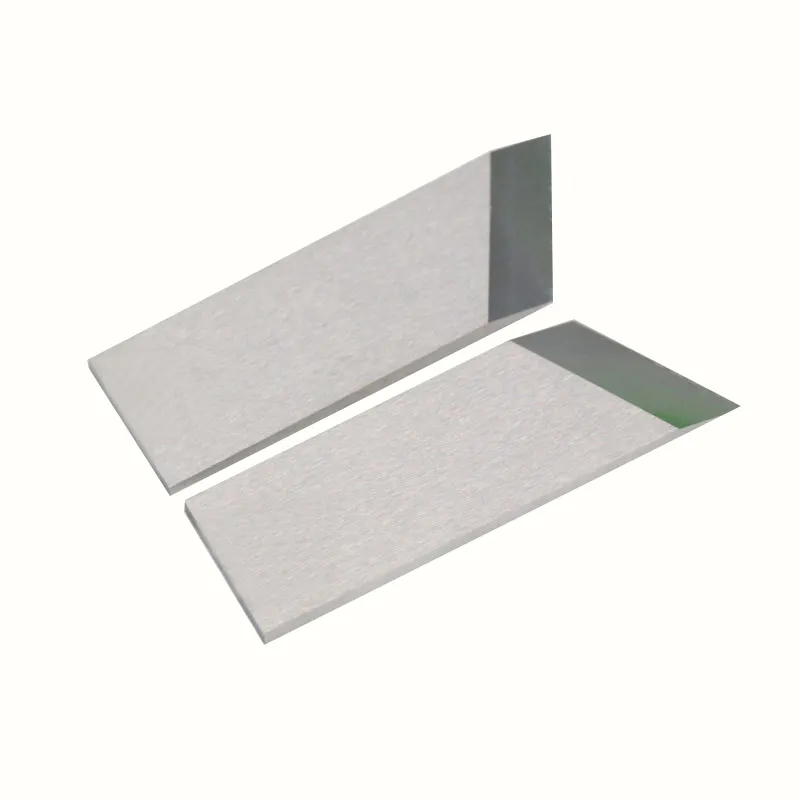
Using precision shear slitting knives for cutting aluminum and copper strips used in the local electrical component assembly plants.

5. Precision Gasket Manufacturing

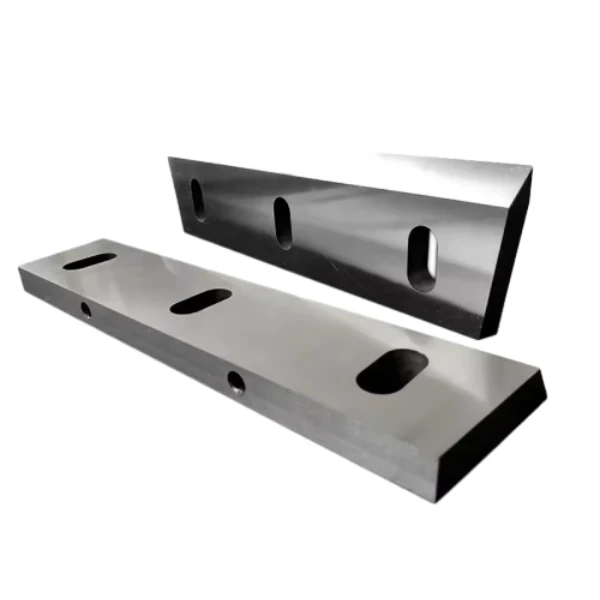
Applying straight cutting blade technology to produce high-tolerance metal seals and gaskets for the shipbuilding industry in Chittagong.

Brand Story

Global Development Journey of Hebei Shunou Technology Co., Ltd.

Foundation & Specialization

Started with a focus on high-performance metallurgy, solving the core problem of premature tool wear in heavy industrial cutting.

Technological Breakthrough

Developed proprietary heat-treatment processes that significantly increased the hardness and toughness of industrial blades.

Global Market Expansion

Extended operations to Asia and beyond, tailoring cutting solutions to the specific climatic and industrial needs of each region.

Quality Standardization

Achieved international certifications for precision tolerances, ensuring that every blade meets global aerospace and medical standards.

Future-Ready Innovation

Investing in sustainable materials and AI-compatible tooling to lead the next generation of industrial cutting technology.

Comprehensive Product Portfolio for Bangladesh

A complete range of precision cutting and sealing components designed for the South Asian market.

Common Industrial Inquiries in Bangladesh

Expert answers to the most frequent technical challenges faced by local manufacturers.

How to extend the life of slitting machine blades in humid climates?

We recommend using DLC (Diamond-Like Carbon) coatings and implementing a strict lubrication schedule to prevent oxidation caused by Bangladesh's high humidity.

What is the best material for rotary slitter knives cutting thick polymers?

Tungsten Carbide is the ideal choice for thick polymers as it maintains a sharp edge longer and resists the thermal deformation caused by friction.

Can tomato slicer blades be customized for specific vegetable densities?

Yes, we offer custom bevel angles and serration patterns to ensure clean cuts without crushing the product, regardless of the vegetable's density.

What are the signs that a straight cutting blade needs replacement?

Key indicators include increased burr formation on the cut edge, visible vibration during operation, and a noticeable increase in energy consumption by the motor.

How do shear slitting knives differ from rotary knives in terms of maintenance?

Shear knives typically require more frequent alignment checks, whereas rotary knives focus on concentricity and bearing wear maintenance.

What is the typical lead time for custom blades shipped to Bangladesh?

Depending on the complexity and material, custom blades are typically produced and shipped within 10-20 business days via expedited industrial logistics.

Ready to Upgrade Your Cutting Precision?

Our technical team is ready to provide customized industrial blade solutions for your facility in Bangladesh.

Contact Us Now

If you are interested in our products, you can choose to leave your information here, and we will be in touch with you shortly.