See us at E-Waste World Expo 2026 ( Booth D136 ) June 17-18th , Messe Frankfurt, Germany

High-Precision rotary slitter knives Solutions for Belarus Industrial Sector

Engineered for extreme durability and precision cutting, optimizing the manufacturing efficiency of Belarus's general equipment and component industry.

High-Precision rotary slitter knives Solutions for Belarus Industrial Sector

Providing world-class cutting edge technology tailored for the specific metallurgical and mechanical requirements of the Belarus general equipment manufacturing market.

The State of Industrial Slitting in Belarus

Analyzing the intersection of heavy machinery heritage and modern precision demands.

Belarus maintains a strong industrial core centered around heavy machinery and automotive components. However, the local manufacturing of metal seals and general parts often faces challenges with tool longevity due to the harsh continental climate, where extreme temperature fluctuations can affect the thermal stability of slitting machine blades during high-speed operations.

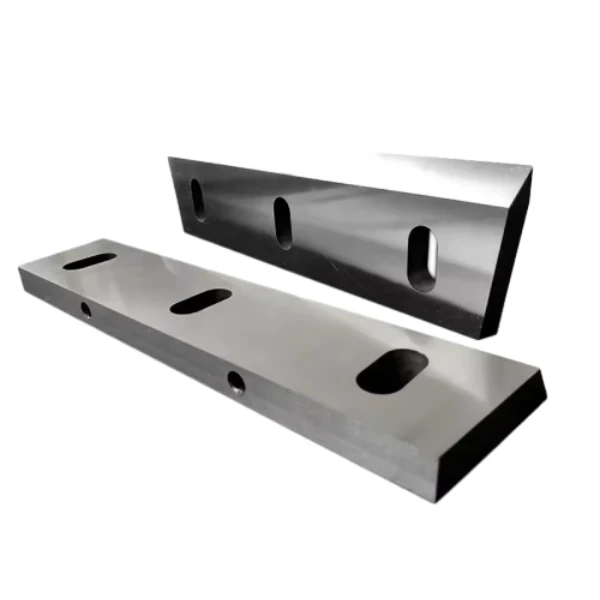
Currently, many factories in Minsk and Gomel are transitioning from Soviet-era heavy-duty tooling to high-precision European and Asian standards. This shift requires a new grade of straight cutting blade tools that can handle both high-tensile steel and softer alloys used in local agricultural machinery production.

The market is seeing a rise in specialized food processing machinery, increasing the demand for hygienic and corrosion-resistant tomato slicer blades, blending the traditional industrial strength of the region with modern food-grade precision engineering.
Evolution and Trajectory of Cutting Technology

From monolithic steel to advanced tungsten carbide composites.

Market Development History

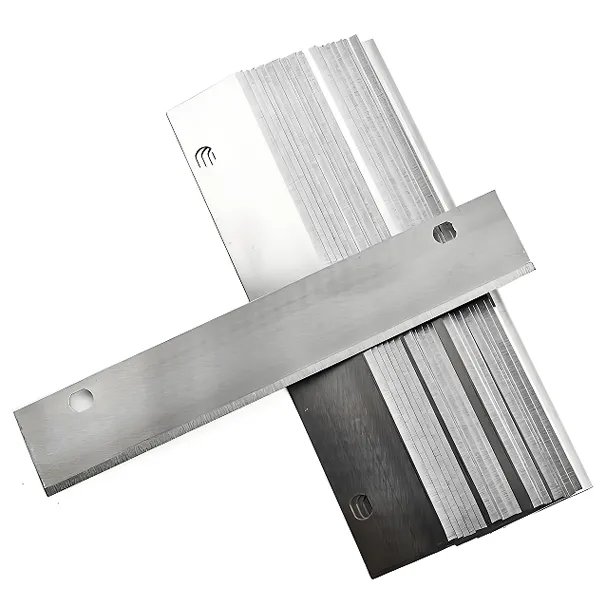
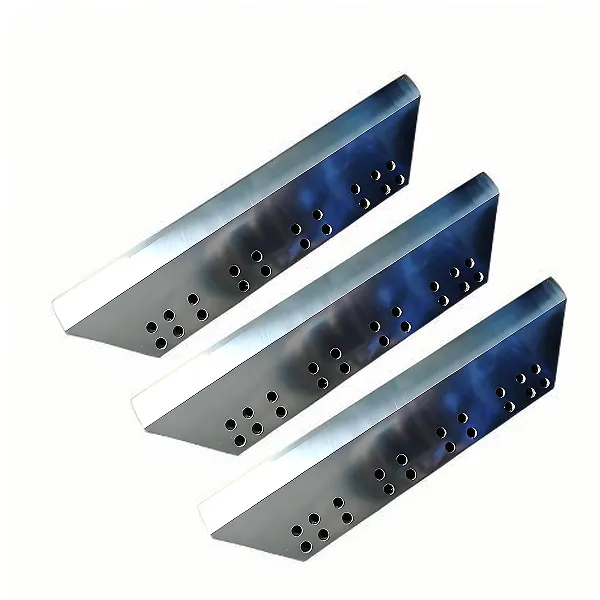
In the 1980s and 90s, the Belarus region relied primarily on heavy carbon steel tools, focusing on mass production over precision. The primary objective was structural integrity for shear slitting knives used in massive state-run metallurgical plants.

Between 2005 and 2015, the industry integrated CNC precision grinding, allowing for tighter tolerances. This era saw the introduction of cobalt-enriched alloys, which significantly reduced the downtime for blade sharpening in general equipment manufacturing.

Since 2018, the focus has shifted toward "Smart Wear" materials. The adoption of PVD and CVD coatings has allowed local manufacturers to compete globally by producing components with mirror-like finish and exceptional edge retention.

Future Development Trends

Nano-Ceramic Coatings

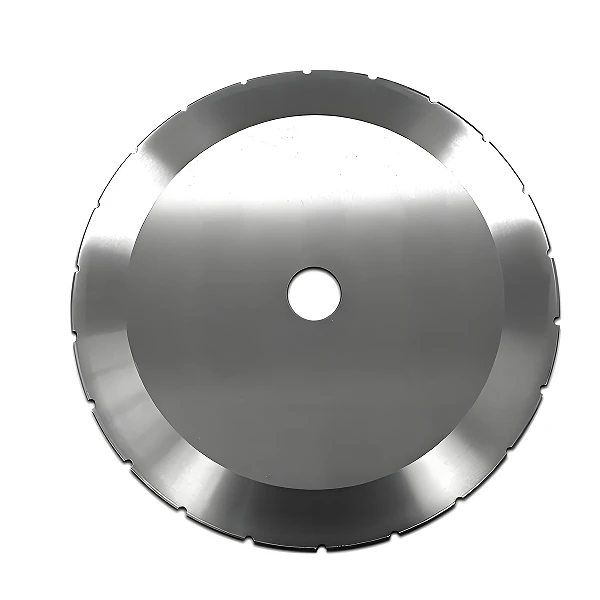
Integration of nano-layered coatings to reduce friction and heat buildup, specifically for high-speed rotary applications.

AI-Driven Wear Prediction

The move toward sensors that monitor blade degradation in real-time to optimize the replacement cycle of industrial knives.

Custom Alloy Optimization

Developing material compositions specifically tailored for the unique alloys found in Eastern European heavy industry.

Industrial Trends and Future Outlook

Strategic foresight for the metal sealing and component manufacturing sector.

Sustainability Integration
Shift towards energy-efficient cutting processes that reduce scrap metal waste in Belarus's factories.
Automation Synergies
Integrating automated blade changing systems to minimize operational downtime.
Precision Scaling
Moving towards micron-level precision for critical metal sealing components.
Advanced Metallurgy
Utilization of powder metallurgy to create blades with superior impact resistance.

Industry Outlook

Google search trends indicate a growing interest in "high-efficiency industrial tooling" within Eastern Europe. For Belarus, the next 3-5 years will likely see a surge in demand for multifunctional tools that can switch between different material grades quickly.

As the region aligns more with global ISO standards, the reliance on standardized, high-performance rotary slitter knives will increase, driving the market toward specialized vendors who provide both the product and the technical maintenance logic.

Localized Application Scenarios in Belarus

Real-world deployment of precision cutting tools across key Belarusian industries.

01. Automotive Component Production

Utilizing high-strength slitting tools for the precise cutting of gaskets and metal seals in Minsk-based automotive assembly lines.

02. Agricultural Machinery Fabrication

Implementing heavy-duty shear blades to cut reinforced steel sheets for the production of tractors and harvesting equipment.

03. Food Processing & Canning

Deploying stainless steel slicers in regional food hubs to ensure hygienic and uniform processing of agricultural produce.

04. Packaging Materials Industry

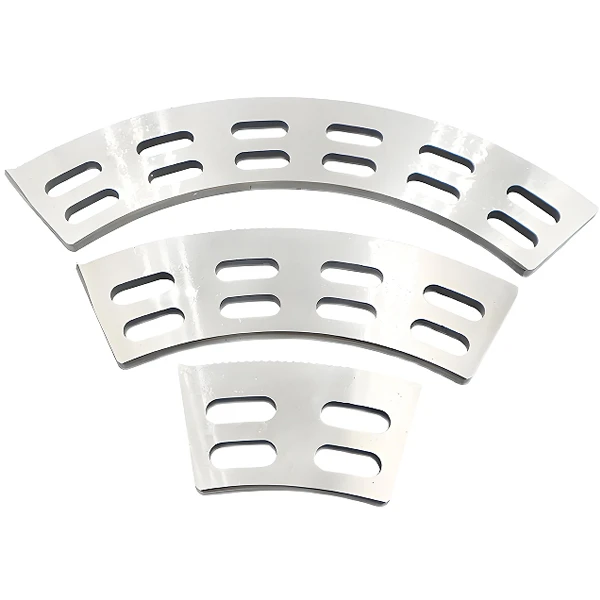
Applying high-speed rotary knives for the slitting of aluminum foil and plastic films used in Belarus's growing packaging sector.

05. Electrical Insulation Manufacturing

Using precision straight blades for cutting specialized insulating materials and metal shielding for electrical components.

Brand Story

Global Development History of Hebei Shunou Technology Co., Ltd.

Foundation of Excellence

Established with a mission to solve the chronic wear-and-tear issues in the general equipment manufacturing sector.

Technical Breakthroughs

Pioneered new heat-treatment processes that increased blade lifespan by 40% for heavy industrial applications.

Global Market Expansion

Extended our reach to Eastern Europe, providing localized support for the Belarusian and Russian manufacturing hubs.

Certification and Quality

Achieved international quality certifications, ensuring every blade meets the most stringent global tolerances.

Future Vision

Committing to the development of "Zero-Waste" cutting technologies for a greener manufacturing future.

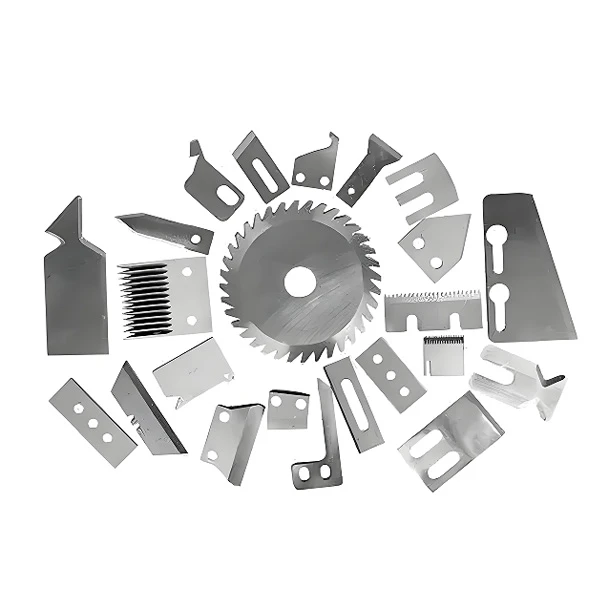
Complete Cutting Tool Portfolio for Belarus

A comprehensive range of high-performance blades engineered for diverse industrial applications.

Industrial Cutting FAQ for the Belarus Market

Addressing common technical queries from our regional partners.

How to choose the right tungsten carbide slitting machine blades for heavy steel?

Selection should be based on the material hardness (HRC) and the thickness of the steel. For Belarus's heavy machinery sector, we recommend cobalt-bonded tungsten carbide for superior impact resistance.

What is the average lifespan of rotary slitter knives in high-output environments?

Lifespan varies by material, but with our PVD coatings, users typically see a 30-50% increase in cutting cycles before requiring a regrind.

Are your tomato slicer blades compliant with EU food safety standards?

Yes, our food-grade blades are manufactured from high-chromium stainless steel, ensuring zero contamination and full compliance with sanitary regulations.

How do straight cutting blade tolerances affect metal seal quality?

Even a micron-level deviation can cause leaks in high-pressure seals. Our precision grinding ensures tolerances within ±0.002mm for perfect seals.

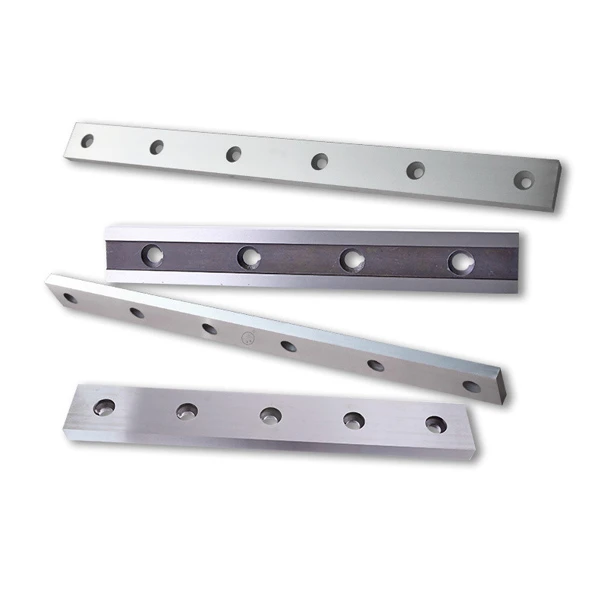
What is the best maintenance cycle for shear slitting knives?

We recommend a visual inspection every 50 operational hours and professional sharpening based on the increase in burr height on the cut edge.

Can you provide customized blade geometries for specific Belarusian alloys?

Absolutely. We offer custom bevel angles and edge profiles tailored to the specific metallurgical properties of the materials you process.

Get an Expert Consultation Today

Optimizing industrial cutting efficiency across Belarus. Contact our engineering team for customized tooling solutions.

Contact Us Now

If you are interested in our products, you can choose to leave your information here, and we will be in touch with you shortly.