See us at E-Waste World Expo 2026 ( Booth D136 ) June 17-18th , Messe Frankfurt, Germany

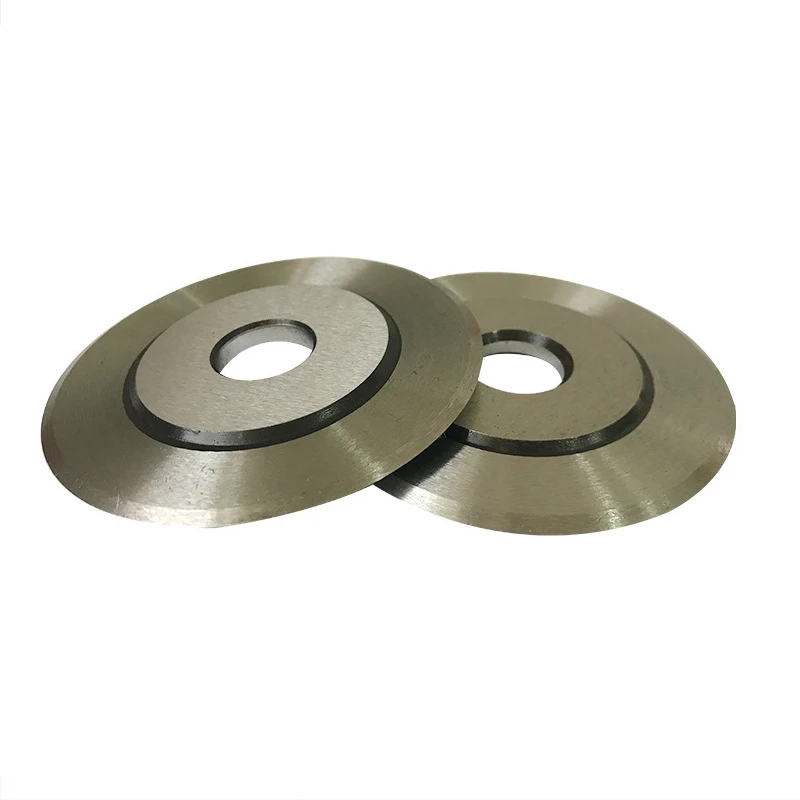
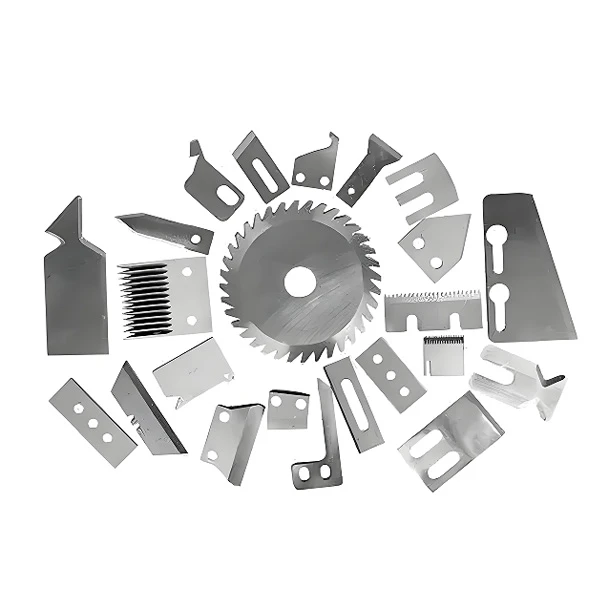
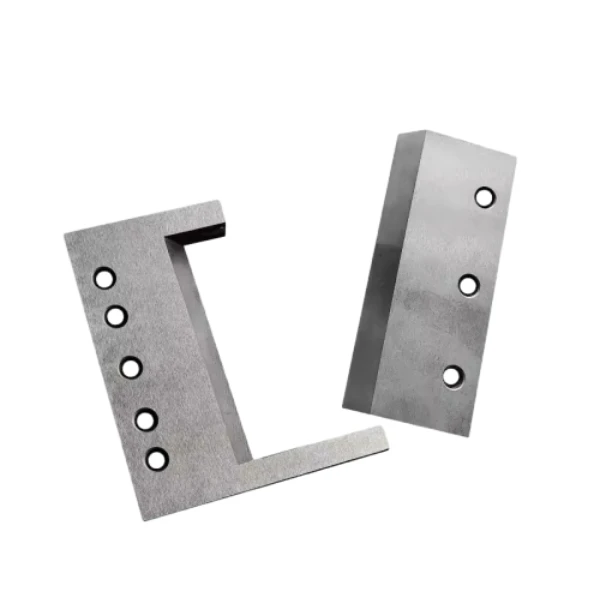
High-Precision rotary slitter knives Solutions for Denmark's Industrial Sector

Engineering superior cutting edge components to optimize productivity and precision for the Danish general equipment manufacturing industry.

High-Precision rotary slitter knives Solutions for Denmark's Industrial Sector

Providing advanced metal sealing and precision cutting components tailored for the rigorous standards of Danish engineering, ensuring seamless material processing and extended tool life.

Industrial Cutting Landscape in Denmark

Analyzing the demand for high-performance tooling in the Nordic manufacturing hub.

Denmark's manufacturing sector is characterized by a strong emphasis on green energy, pharmaceuticals, and high-end machinery. In this environment, the demand for slitting machine blades has evolved towards extreme durability and sustainability, reflecting the national commitment to reducing industrial waste and energy consumption.

The coastal climate of Denmark often introduces humidity challenges in warehouse storage, making the choice of corrosion-resistant materials for straight cutting blade components critical. Local manufacturers prioritize E-E-A-T (Experience, Expertise, Authoritativeness, and Trustworthiness) when sourcing components that must withstand high-cycle fatigue in automated production lines.

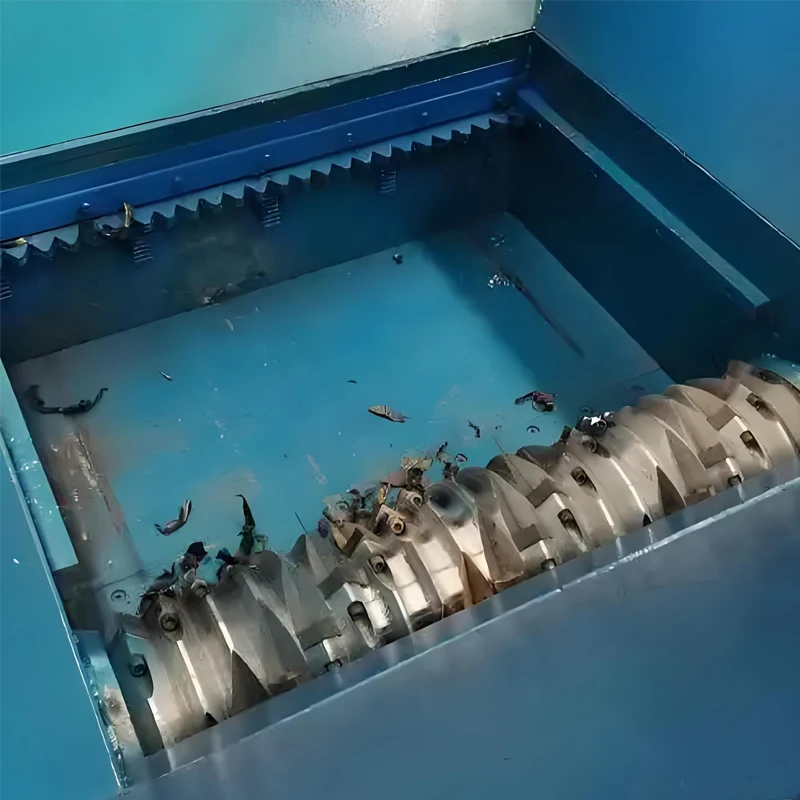
Current market dynamics show a shift toward highly specialized components. From the processing of advanced polymers to precision metal sealing, the integration of shear slitting knives is essential for maintaining the tight tolerances required by Denmark's export-driven medical and wind energy equipment industries.
Evolution of Precision Slitting Technology

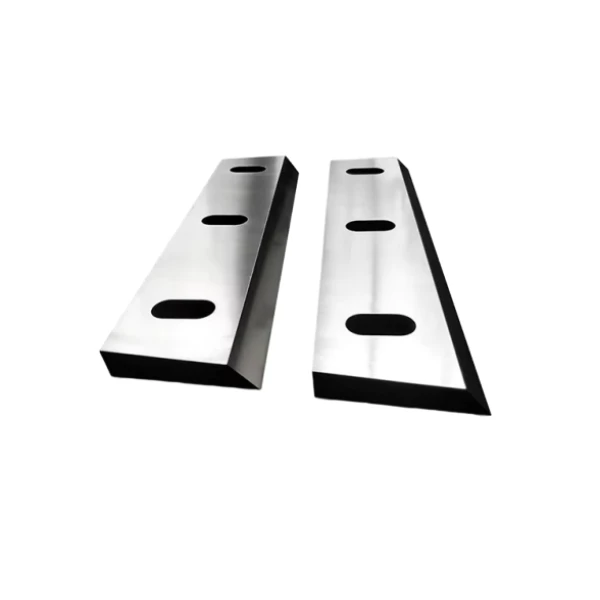
From traditional mechanical shearing to intelligent, high-speed cutting systems.

Market Development History

In the early 1990s, the Danish general equipment sector relied heavily on standardized carbon steel tooling. Cutting processes were primarily manual or semi-automated, where the focus was on basic structural integrity rather than micron-level precision.

Between 2000 and 2015, the industry transitioned toward Tungsten Carbide and specialized alloys. The introduction of CNC-controlled machinery necessitated a new generation of rotary slitter knives that could maintain edge sharpness under higher rotational speeds and heat loads.

From 2016 to the present, the focus has shifted toward "Smart Tooling." The integration of surface coatings like TiN and DLC has significantly reduced friction, allowing for the precision cutting of difficult materials used in Denmark's thriving biotech and sustainable packaging sectors.

Future Development Trends

AI-Driven Wear Prediction

Future cutting systems will integrate sensors to monitor the wear of slitting machine blades in real-time, enabling predictive maintenance and reducing unplanned downtime in Danish factories.

Biodegradable Material Compatibility

As Denmark leads in sustainable packaging, there is a rising demand for specialized tomato slicer blades and food-grade cutting tools that can handle high-moisture, organic biodegradable films without sticking.

Ultra-Hard Nanocomposite Coatings

The next 3-5 years will see the adoption of nano-layered coatings that increase the hardness of the cutting edge by 30%, specifically for the heavy-duty shear slitting knives used in metal sealing manufacturing.

Strategic Industry Outlook & Future Trends

Forecasting the trajectory of precision cutting components in Northern Europe.

Sustainable Material Processing
Developing blades that minimize energy loss and material waste, aligning with Denmark's circular economy goals.
Automation Synergy
Enhanced compatibility between precision knives and high-speed robotic slitting lines to increase throughput.
Custom Metallurgy
Shift toward bespoke alloy compositions tailored for the specific hardness of Danish industrial seals.
Zero-Defect Precision
Utilizing laser-honing techniques to ensure burr-free edges on all straight cutting blade variants.

Industry Outlook

Google search trends for "industrial precision tooling" in the Nordic region indicate a strong pivot toward sustainable manufacturing. This suggests that future growth will not just come from the quantity of blades sold, but from the longevity and recyclability of the materials used in rotary slitter knives.

Furthermore, the integration of Industry 4.0 standards across Denmark's general equipment sector means that cutting components will be viewed as critical data points in the production chain, leading to a higher demand for traceable and certified high-performance tooling.

Localized Application Scenarios in Denmark

Real-world deployments of our precision cutting solutions across Danish industries.

01. Wind Turbine Seal Production

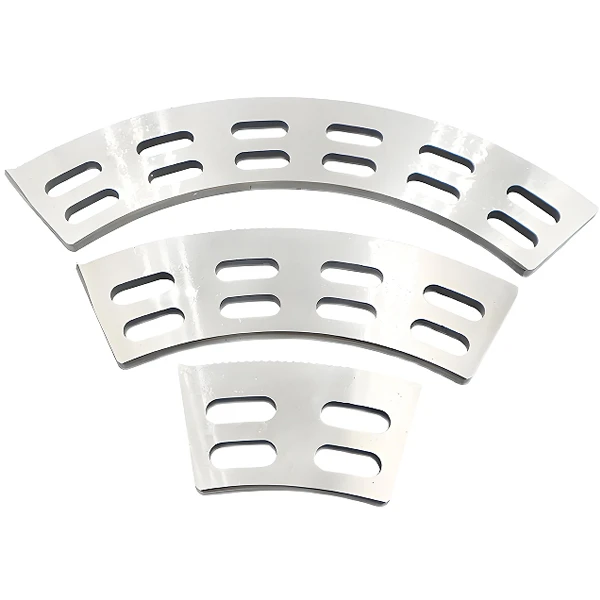
In the production of large-scale seals for offshore wind turbines, our shear slitting knives provide the necessary force and precision to cut thick, reinforced synthetic rubbers without deformation.

02. Pharmaceutical Packaging

Danish pharma giants utilize our high-precision slitting machine blades to create sterile, burr-free foils and films, ensuring the integrity of critical medical packaging.

03. Food Processing Automation

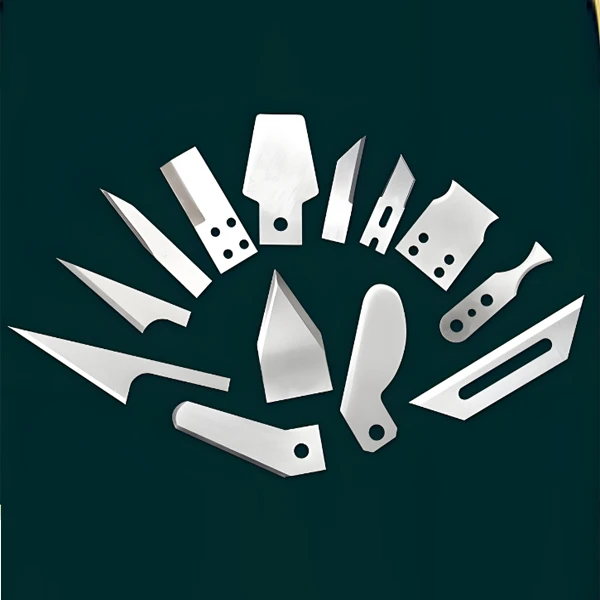
For the organic food export market in Denmark, specialized tomato slicer blades are employed in high-speed processing lines to ensure uniform slices and minimize product bruising.

04. Automotive Component Fabrication

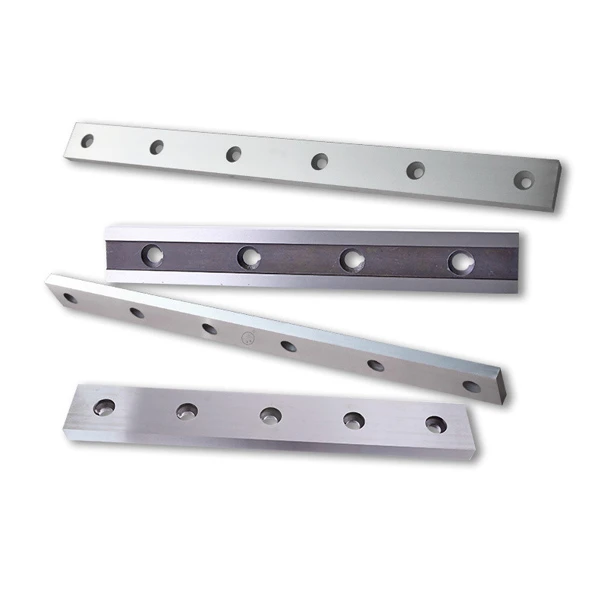
Precision metal sealing for automotive parts requires the absolute flatness provided by our straight cutting blade series, reducing scrap rates in lean manufacturing environments.

05. Industrial Foil Slitting

Local converters of aluminum and polymer foils use our rotary slitter knives to achieve high-speed narrow-web slitting with zero edge-curl, optimizing downstream winding processes.

Brand Story

Global Development Journey of Hebei Shunou Technology Co., Ltd.

Foundational Excellence

Established with a mission to solve the most challenging friction and wear issues in general equipment manufacturing, focusing on high-grade metallurgy.

Technological Breakthrough

Developed proprietary heat-treatment processes that extended the lifespan of slitting components by 40%, gaining traction in the European market.

Global Expansion

Expanded operations to support the Nordic region, specifically tailoring precision cutting solutions for Denmark's advanced industrial sectors.

Innovation Leadership

Invested in nano-coating research to address the specific needs of medical-grade and food-grade cutting tools for a global clientele.

Sustainable Future

Committed to "Green Cutting," reducing the carbon footprint of tool production while maximizing the efficiency of industrial cutting processes.

Comprehensive Cutting Tool Portfolio for Denmark

A complete range of high-performance blades engineered for the Danish manufacturing landscape.

Frequently Asked Questions - Denmark Industrial Cutting

Expert answers to common technical queries regarding precision slitting tools.

How to choose the right tungsten carbide slitting machine blades for high-speed lines?

For high-speed lines in Denmark, we recommend grade-C carbide with a TiAlN coating to reduce heat buildup and prevent edge chipping during continuous operation.

What is the average lifespan of rotary slitter knives when processing abrasive polymers?

Depending on the material hardness, our premium alloy knives typically last 3-5 times longer than standard steel, provided the sharpening intervals are maintained.

Do you provide food-grade certified tomato slicer blades for the Danish food industry?

Yes, we provide stainless steel blades that comply with European food safety standards, featuring anti-stick coatings for high-efficiency slicing.

Can a straight cutting blade be customized for non-standard metal sealing materials?

Absolutely. We offer custom bevel angles and material compositions to ensure a clean cut through complex composite seals used in Danish engineering.

What is the best way to maintain shear slitting knives to avoid edge burrs?

We recommend a combination of precision honing and the use of specialized lubricants, ensuring the gap between knives is calibrated to within 0.01mm.

How does the Danish climate affect the storage of precision cutting tools?

Due to higher humidity in coastal areas, we provide VCI (Volatile Corrosion Inhibitor) packaging to ensure your tools remain rust-free until installation.

Ready to Optimize Your Production?

Contact our engineering team today for bespoke precision cutting solutions tailored for the industrial needs of Denmark.

Contact Us Now

If you are interested in our products, you can choose to leave your information here, and we will be in touch with you shortly.