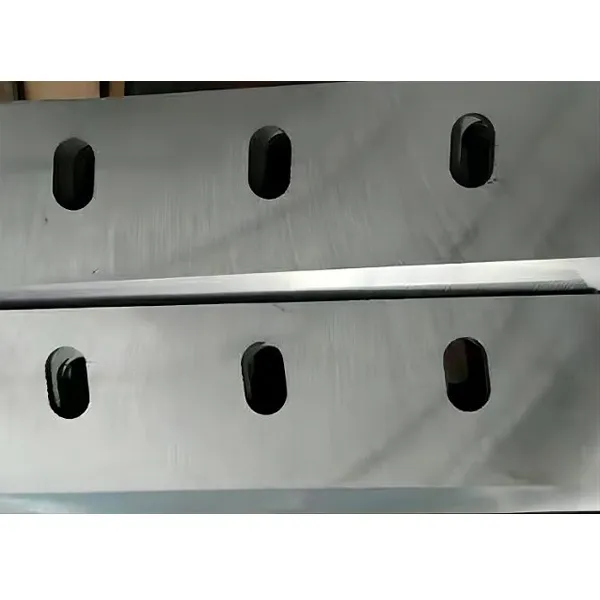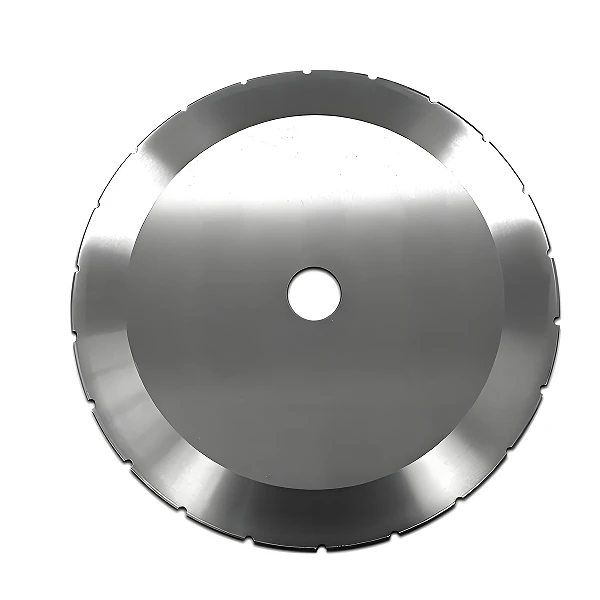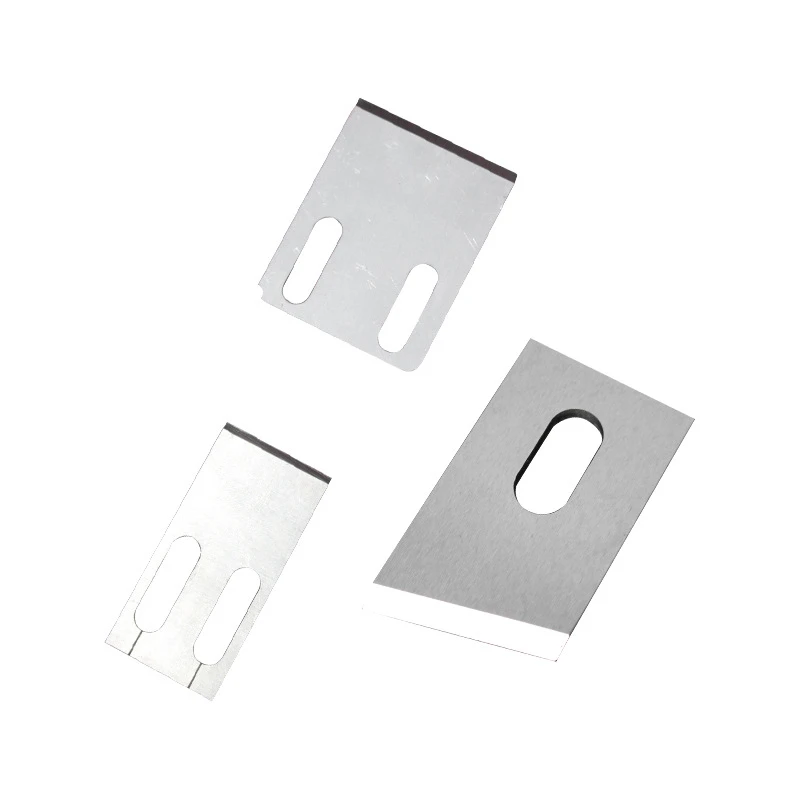
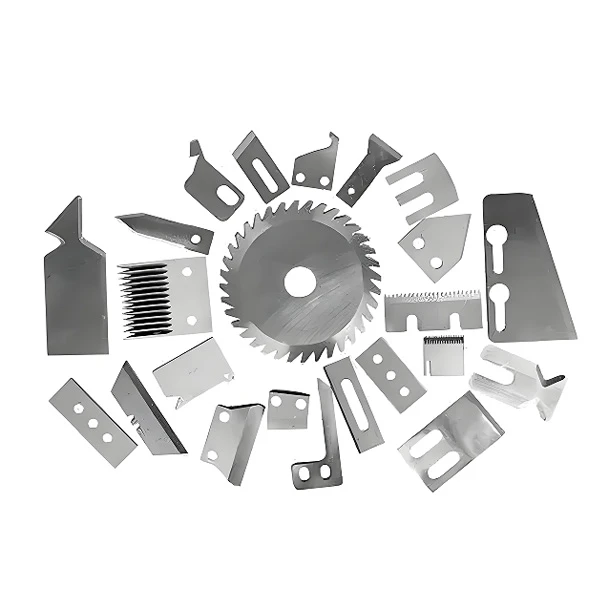
The Japanese manufacturing sector is characterized by a relentless pursuit of "Monozukuri" (the art of making things). In the realm of general equipment manufacturing, particularly for metal sealing and general components, the demand for slitting machine blades is driven by the need for micron-level tolerances to support the automotive and electronics supply chains.
Given Japan's humid climate and the high-cycle nature of its production lines, tool wear and oxidation are significant challenges. Local manufacturers prioritize materials with superior hardness and corrosion resistance to minimize downtime in high-speed rotary operations, making the selection of high-grade tungsten carbide or specialty alloys critical.
Furthermore, the shift towards smart factories (Society 5.0) in Japan has integrated sensors into cutting assemblies. This evolution requires straight cutting blade designs that not only cut efficiently but also maintain stability under varying thermal loads during continuous 24/7 operation.