
See us at E-Waste World Expo 2026 ( Booth D136 ) June 17-18th , Messe Frankfurt, Germany

High-Precision rotary slitter knives Solutions for Rwanda's Manufacturing Sector

Empowering Rwanda's industrial growth with advanced metal sealing and precision cutting components engineered for durability and extreme accuracy.

High-Precision rotary slitter knives Solutions for Rwanda's Manufacturing Sector

Providing the Rwandan industrial landscape with world-class cutting tools, from slitting machine blades to specialized industrial knives, ensuring seamless production in packaging and metal processing.

Industrial Cutting Landscape in Africa - Rwanda

Analyzing the current state of precision tooling in Rwanda's emerging manufacturing hubs.

Rwanda is currently undergoing a rapid industrial transformation, shifting from a predominantly agrarian economy to a diversified manufacturing hub. In this environment, the demand for precision components like shear slitting knives has surged as local factories scale up their production of packaging materials and metal parts to support the "Made in Rwanda" initiative.

The local climate, characterized by moderate temperatures but high humidity in certain regions, presents unique challenges for metal tool longevity. Many operators struggle with premature edge wear and corrosion, necessitating a transition from basic carbon steel tools to high-alloy tungsten carbide and specialized coatings that can withstand the humid Rwandan environment.

Furthermore, the logistics of sourcing high-end straight cutting blade options often involve long lead times from overseas. This has created a critical market gap for reliable, high-performance industrial components that can reduce downtime and increase the operational efficiency of Rwandan production lines.
Evolution of Cutting Technology in Rwanda

Tracing the trajectory from manual processing to automated precision slitting.

Market Development History

Between 2000 and 2010, Rwanda's cutting industry relied heavily on manual shear tools and basic imported machinery. During this era, precision was secondary to basic functionality, and tool replacement was frequent due to the lack of advanced heat-treatment technologies in local workshops.

From 2011 to 2020, the introduction of semi-automated machinery saw the rise of slitting machine blades. This period marked a shift toward standardization, as Rwandan manufacturers began adopting international ISO standards to prepare their goods for export within the East African Community (EAC).

Since 2021, the market has entered the "Precision Era." With the rise of high-speed rotary systems, the adoption of rotary slitter knives has become essential for the burgeoning plastic film and foil packaging industries in Kigali and surrounding provinces.

Future Development Trends

Integration of Smart Tooling

We predict a shift toward "intelligent blades" equipped with wear-sensing technology, allowing Rwandan factories to predict failure before it occurs, reducing unplanned downtime.

Sustainable Material Science

There will be an increased demand for cobalt-free and eco-friendly alloy coatings to align with Rwanda's strict environmental regulations and "Green Growth" strategies.

Customization for Agroprocessing

As Rwanda enhances its food export capabilities, specialized tools like tomato slicer blades will see a rise in demand for automated food processing plants.

Industry Trends and Future Outlook

Strategic foresight for the metal sealing and cutting component industry in Rwanda.

Ultra-Hard Alloy Adoption
Transitioning toward nano-structured carbides to extend the lifespan of industrial blades in high-volume Rwandan production lines.
Automated Precision Alignment
Implementation of laser-guided setup for slitting knives to eliminate material waste and improve edge quality.
Hybrid Coating Systems
Combining TiN and DLC coatings to create blades that are both wear-resistant and anti-corrosive for Rwanda's climate.
Localized Rapid Prototyping
Developing rapid-response supply chains to provide custom-engineered blades within days, not weeks.

Industry Outlook

Based on Google search trends for "precision manufacturing Africa," there is a marked increase in queries related to automated slitting and industrial blade sharpening in Rwanda. This indicates a maturing market that is moving away from generic tools toward specialized, high-performance components.

Over the next 3-5 years, we expect the Rwandan metal sealing and parts industry to synchronize with Global Industry 4.0 standards, where the precision of a straight cutting blade is monitored via digital twins to optimize production yield.

Localized Application Scenarios in Rwanda

How our precision cutting solutions solve real-world industrial challenges in Rwanda.

01. Packaging Film Production in Kigali

Utilizing rotary slitter knives to convert large BOPP film rolls into narrow strips for the local FMCG packaging market, ensuring zero-edge burrs and consistent width.

02. Agricultural Processing Plants

Implementing high-grade tomato slicer blades in automated food processing facilities to ensure uniform slices for export-grade canned vegetables.

03. Metal Sheet Fabrication for Construction

Deploying heavy-duty shear slitting knives in steel processing centers to produce precise roofing and siding profiles for Rwanda's urban development projects.

04. Textile and Synthetic Fiber Cutting

Using precision straight cutting blade systems in the emerging garment industry to achieve clean, precise cuts on synthetic fabrics without fraying.

05. Industrial Seal Manufacturing

Applying slitting machine blades for the production of customized rubber and metal sealing gaskets used in Rwanda's automotive and HVAC maintenance sectors.

Brand Story

Global Development Journey of Hebei Shunou Technology Co., Ltd.

Foundational Precision

Established with a mission to solve the "edge-wear" crisis in industrial cutting, we focused on mastering the metallurgy of high-carbon tool steels.

Technological Breakthrough

Invested in vacuum heat treatment and PVD coating technologies to create blades that last 5x longer than industry averages.

Global Expansion

Expanded our reach to emerging markets, optimizing our products for diverse climatic conditions, including the humid environments of East Africa.

Industry Specialization

Developed a specialized line for metal sealing components, bridging the gap between general cutting and high-precision industrial sealing.

Future Vision

Committing to a sustainable future by developing recyclable tool alloys and zero-waste manufacturing processes for our global partners.

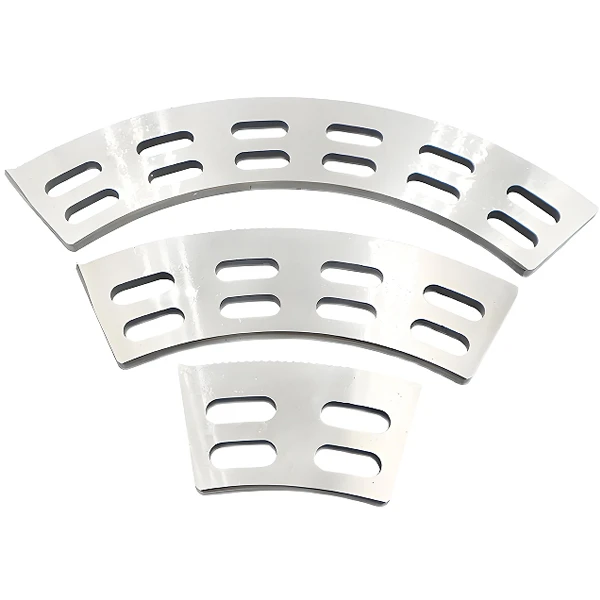
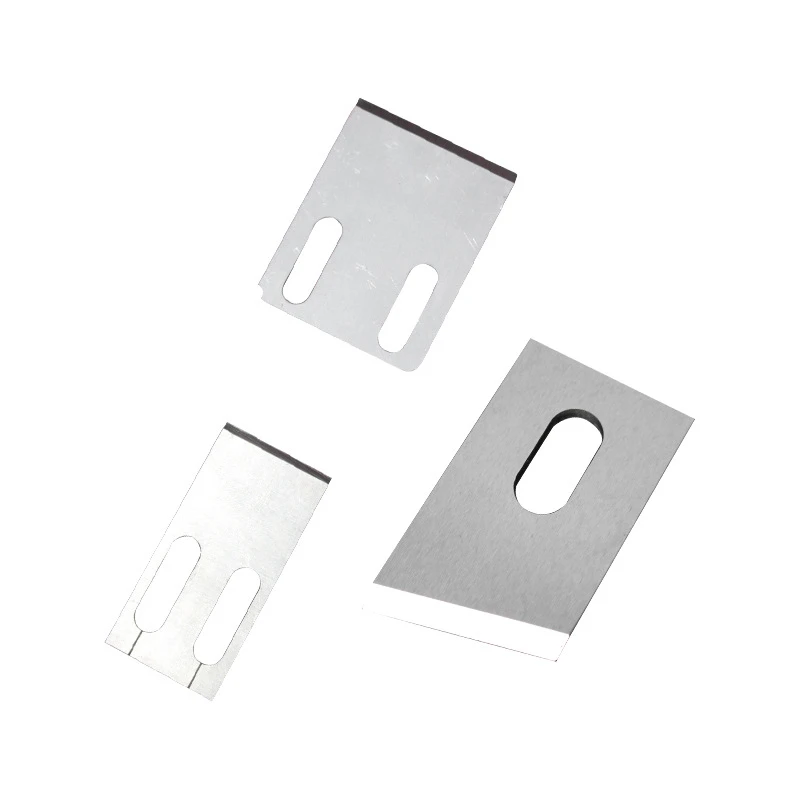
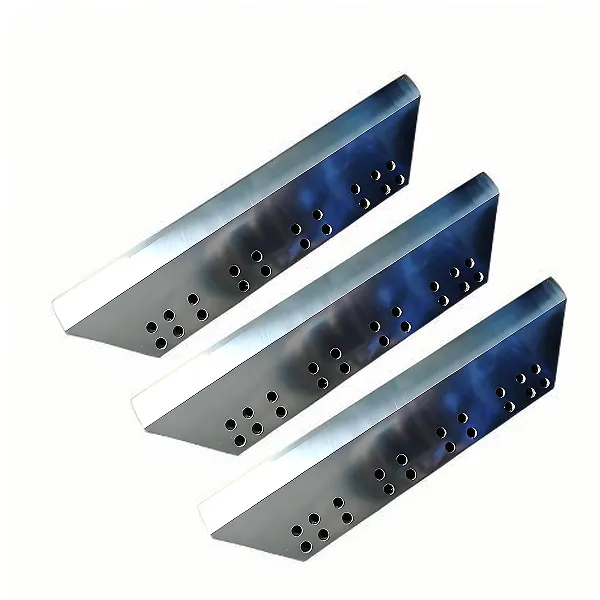
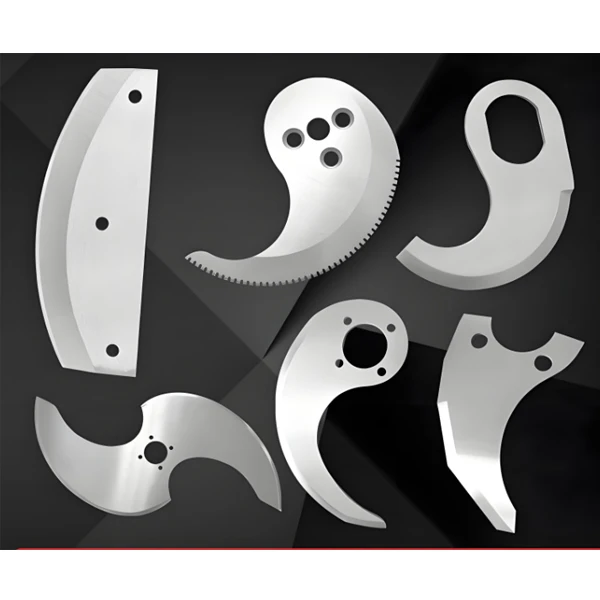
Comprehensive Cutting Tool Portfolio for Rwanda

A curated selection of high-performance blades designed for the unique demands of the Rwandan manufacturing sector.

Common Questions for Rwanda Industrial Cutting

Expert answers to the most frequent technical queries from our Rwandan partners.

How to choose the best rotary slitter knives for high-humidity environments in Rwanda?

We recommend using tungsten carbide substrates with a DLC (Diamond-Like Carbon) coating, which provides superior corrosion resistance and maintains sharpness despite high humidity.

What is the typical lifespan of slitting machine blades in a high-volume production plant?

Depending on the material being cut, our premium blades typically last 3-5 times longer than standard carbon steel options due to our proprietary heat-treatment process.

Can you customize shear slitting knives for specific metal gauges used in Rwandan construction?

Yes, we provide full customization of blade geometry and hardness levels to match the specific tensile strength of the metal sheets used in local projects.

How to maintain the edge of a straight cutting blade to reduce downtime?

We suggest a scheduled precision grinding cycle every 500 operating hours and utilizing our specialized cleaning agents to remove adhesive residues.

Are your tomato slicer blades compliant with food safety standards for export?

Absolutely. Our food-grade blades are manufactured from stainless steel alloys that are fully compliant with international food safety regulations for export to EU and US markets.

What is the lead time for shipping precision cutting tools to Kigali, Rwanda?

We offer expedited air freight options that typically deliver precision components to Kigali within 7-12 business days from the date of order confirmation.

Ready to Optimize Your Production?

Our technical team is ready to provide customized cutting solutions for your facility in Rwanda. Enhance your efficiency today.

Contact Us Now

If you are interested in our products, you can choose to leave your information here, and we will be in touch with you shortly.