See us at E-Waste World Expo 2026 ( Booth D136 ) June 17-18th , Messe Frankfurt, Germany

High-Precision Rotary Slitter Knives Solutions for South Sudan

Providing industrial-grade cutting components engineered for the demanding manufacturing environments of South Sudan, ensuring maximum durability and precision.

High-Precision Rotary Slitter Knives Solutions for South Sudan

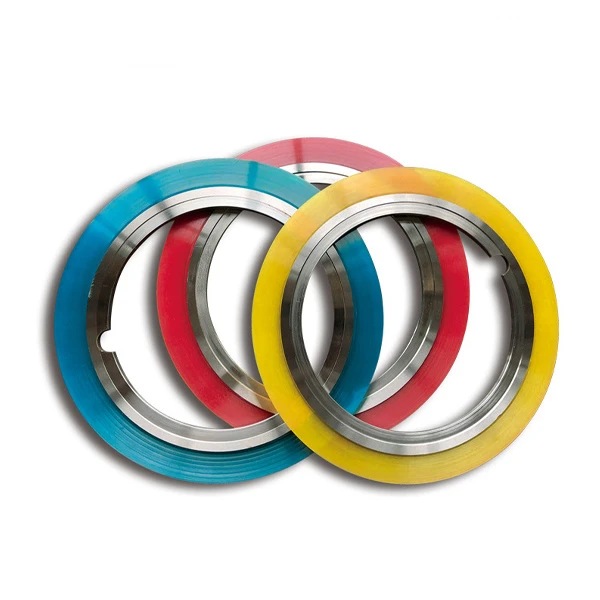
Optimizing industrial output in South Sudan through advanced metal sealing and precision cutting components designed for high-stress manufacturing applications.

Industrial Cutting Landscape in South Sudan

Analyzing the current operational challenges of general equipment manufacturing in the region.

The manufacturing sector in South Sudan currently faces significant hurdles due to extreme climatic fluctuations and a developing infrastructure. In the realm of general equipment manufacturing, there is a critical reliance on durable slitting machine blades that can withstand high temperatures and dust accumulation without losing edge integrity.

Many local workshops rely on older mechanical equipment, leading to increased wear and tear on precision parts. The lack of local heat-treatment facilities means that high-performance components like shear slitting knives must be imported, necessitating a supply chain that prioritizes longevity and ease of replacement to minimize downtime.

Despite these challenges, there is a growing movement toward industrialization in urban centers like Juba. As the demand for locally processed materials increases, the adoption of high-carbon steel straight cutting blade technology is becoming essential for maintaining competitive production standards.
Evolution of Cutting Technology in South Sudan

From basic mechanical shearing to precision-engineered rotary systems.

Market Development History

In the early 2000s, the South Sudanese market relied almost exclusively on basic hand-operated tools and crude shearing devices. Cutting was characterized by high waste and low repeatability, as the "general equipment" category was limited to basic metalwork.

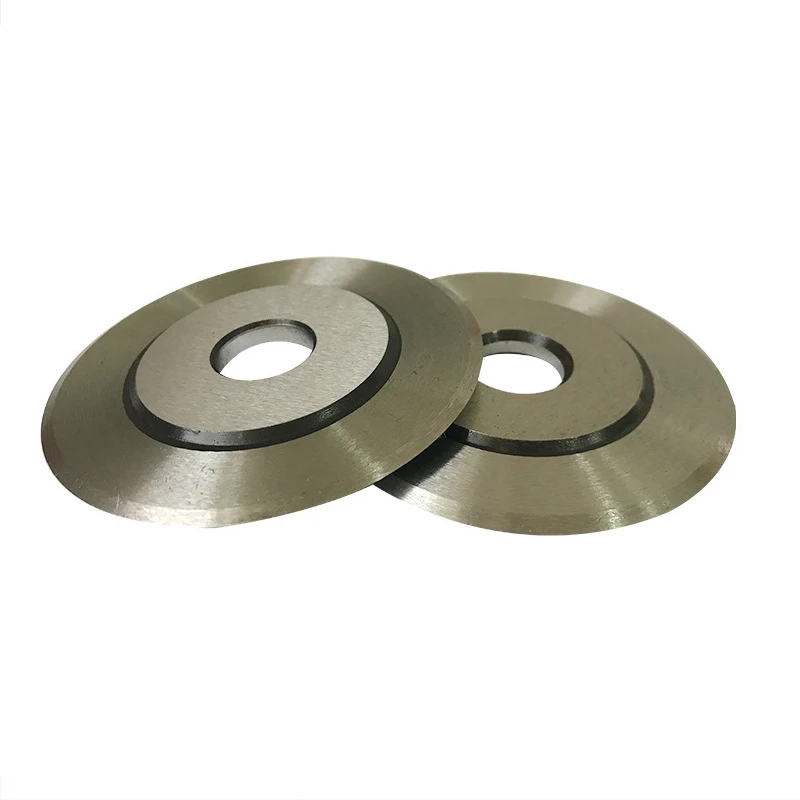
Between 2010 and 2020, the introduction of semi-automated machinery saw a shift toward standardized components. This period marked the first significant integration of rotary slitter knives, allowing for continuous roll processing in packaging and basic metal fabrication.

From 2021 to the present, the focus has shifted toward "material-specific" engineering. The industry is now moving toward specialized tools, such as tomato slicer blades for the nascent food processing sector, reflecting a diversification in local manufacturing.

Future Development Trends

Integration of Tungsten Carbide

We predict a shift toward carbide-tipped blades to combat the abrasive dust environment of the region, extending the lifecycle of cutting edges by 300%.

Automation of Slitting Lines

Google search trends indicate a rising interest in CNC-controlled slitting systems, which will require higher precision tolerances for all cutting components.

Eco-Friendly Lubrication Systems

Future trends suggest a move toward dry-cutting or biodegradable lubricant systems to align with global sustainability standards in the manufacturing sector.

Strategic Trends and Future Outlook

Predicting the next era of precision tooling in the East African region.

Advanced Material Coating
Implementing TiN and DLC coatings to reduce friction and wear in high-heat environments.
Precision Tolerance Growth
Moving from ±0.1mm to ±0.01mm tolerances for critical aerospace and medical parts.
Modular Blade Design
Developing quick-change modular systems to reduce machine downtime during blade swaps.
Predictive Wear Analytics
Utilizing IoT sensors to predict blade failure before it impacts product quality.

Industry Outlook

The next 3-5 years in South Sudan's general equipment sector will be defined by the transition from "survivalist manufacturing" to "efficiency-driven production." As the region stabilizes, the demand for high-end components will grow exponentially.

We expect a surge in specialized applications, particularly in food processing and construction materials, requiring bespoke cutting solutions that combine hardness with extreme toughness.

Localized Application Scenarios in South Sudan

Practical implementations of precision cutting blades in regional industries.

1. Agricultural Processing Units

Deployment of tomato slicer blades in Juba-based food preservation plants to increase the efficiency of vegetable processing for local markets.

2. Packaging Material Fabrication

Using rotary slitter knives for cutting industrial plastic films and corrugated cardboard for regional logistics companies.

3. Metal Sheet Processing

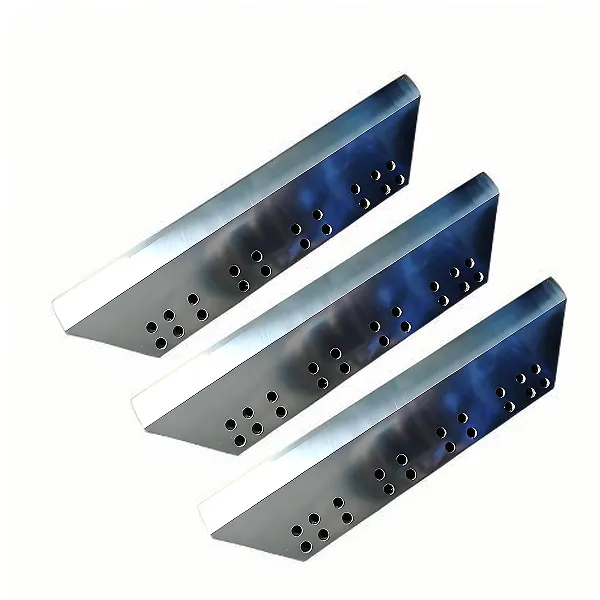
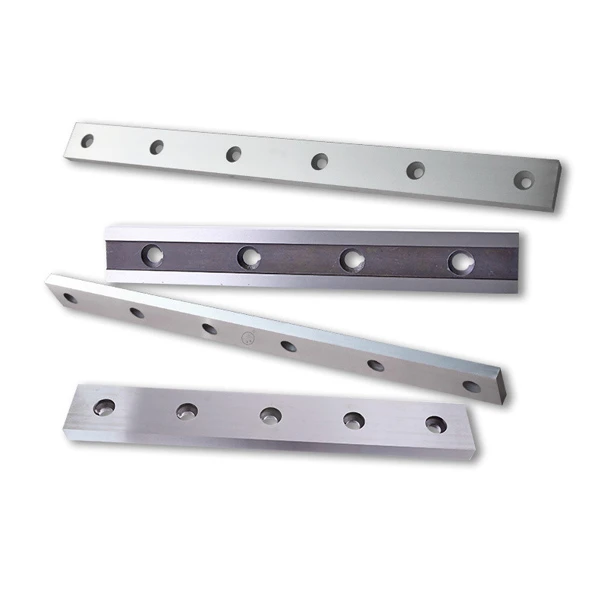
Application of shear slitting knives in construction workshops to prepare galvanized steel sheets for roofing and fencing.

4. Textile and Synthetic Cutting

Integration of straight cutting blade systems in garment manufacturing units to ensure clean edges on heavy-duty canvas fabrics.

5. Industrial Seal Manufacturing

Utilization of slitting machine blades for precision cutting of rubber and polymer gaskets used in oil and gas equipment.

Brand Story

Global Development Journey of Hebei Shunou Technology Co., Ltd.

Foundational Excellence

Started with a commitment to solve the critical pain point of premature blade wear in general equipment manufacturing through metallurgical innovation.

Technological Breakthrough

Developed proprietary heat-treatment processes that significantly increased the hardness and toughness of rotary cutting components.

Global Expansion

Extended our reach to Africa, tailoring our precision blades to withstand the unique environmental challenges of markets like South Sudan.

Industry Leadership

Recognized as a leading provider of metal sealing and general component manufacturing solutions across the global industrial supply chain.

Sustainable Future

Now focusing on green manufacturing and smart-tooling to empower the next generation of manufacturers worldwide.

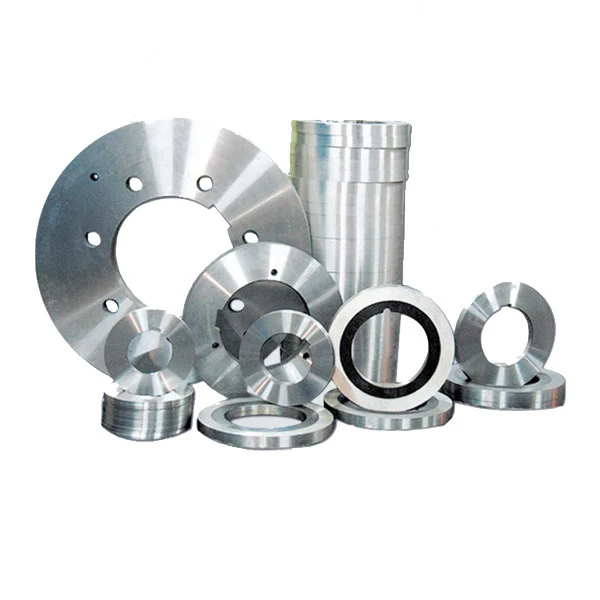
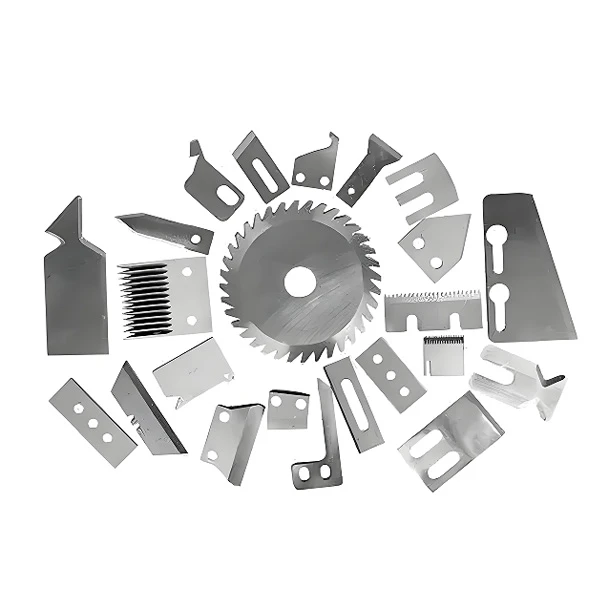
Complete Precision Cutting Portfolio for South Sudan

A comprehensive range of industrial blades designed for durability, precision, and regional operational efficiency.

Common Questions from South Sudanese Manufacturers

Expert answers to the most pressing technical challenges in the region.

How to prevent rapid wear of slitting machine blades in dusty environments?

We recommend utilizing DLC (Diamond-Like Carbon) coatings which provide a low-friction surface that prevents particulate adhesion and reduces abrasive wear significantly.

What is the best material for rotary slitter knives used in heavy-duty packaging?

Tungsten carbide or high-grade D2 tool steel is ideal, as they offer the necessary hardness to maintain a sharp edge during continuous high-speed rotation.

Can tomato slicer blades be customized for different produce thicknesses?

Yes, we provide fully customizable blade geometry and spacing to ensure precise slicing widths tailored to specific food processing requirements.

How often should a straight cutting blade be reground for optimal performance?

Depending on the material being cut, we recommend a professional regrind every 50,000 to 100,000 cycles to prevent material deformation and reduce machine load.

What causes chipping in shear slitting knives during metal fabrication?

Chipping is usually caused by improper clearance between the upper and lower blades or using a blade with excessive brittleness for the material's hardness.

Do you provide technical support for installing slitting machine blades in South Sudan?

Yes, we provide comprehensive digital installation guides and remote technical consultation to ensure perfect alignment and safe operation.

Ready to Upgrade Your Production?

Our engineers are ready to provide high-performance cutting solutions tailored for the industrial landscape of South Sudan.

Contact Us Now

If you are interested in our products, you can choose to leave your information here, and we will be in touch with you shortly.