See us at E-Waste World Expo 2026 ( Booth D136 ) June 17-18th , Messe Frankfurt, Germany

High-Precision rotary slitter knives Solutions for US Manufacturing

Engineering superior edge durability and precision cutting for the North American industrial landscape.

High-Precision rotary slitter knives Solutions for US Manufacturing

Providing advanced metallurgy and precision grinding for the most demanding slitting applications across the United States.

Industrial Cutting Landscape in the United States

Analyzing the current state of precision blade demand in North America

The United States manufacturing sector is currently experiencing a massive push toward "reshoring," which has significantly increased the demand for high-performance slitting machine blades. As domestic production of automotive parts and packaging materials rises, the need for blades that can withstand high-speed operational cycles without losing edge integrity has become a critical priority for US plant managers.

Climate and regional economic disparities across the US, from the industrial Midwest to the tech-driven West Coast, necessitate versatile tooling. In regions with high humidity or corrosive environments, the adoption of specialized coatings for straight cutting blade systems has grown to prevent premature oxidation and ensure consistent cutting quality.

Moreover, the US food processing industry, particularly in the agricultural hubs of California and Florida, is demanding higher hygiene standards and precision. This has led to a surge in the utilization of specialized tomato slicer blades that combine surgical-grade sharpness with food-safe stainless steel compositions to meet strict FDA regulations.
Evolution of Cutting Technology in North America

From traditional metallurgy to intelligent precision engineering

Market Development History

Between 1980 and 2000, the US market relied heavily on standard carbon steel tools. The primary focus was on raw strength and manual sharpening, where shear slitting knives were designed for bulk capacity rather than microscopic precision.

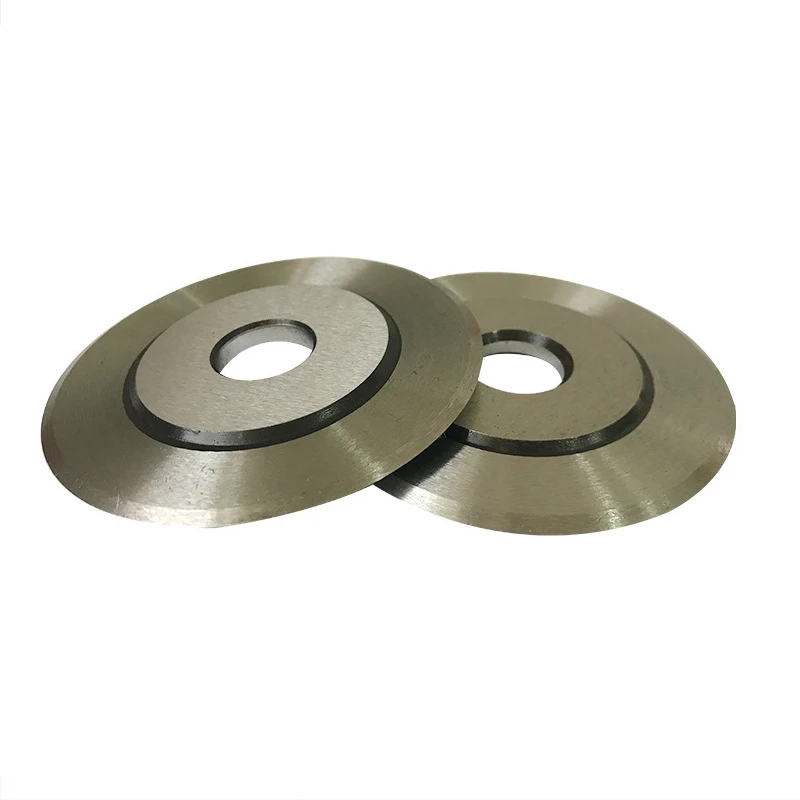
From 2000 to 2015, the industry shifted toward Tungsten Carbide and Cobalt-alloyed steels. This era introduced computerized grinding processes, allowing for tighter tolerances in rotary slitter knives, which drastically reduced material waste in the foil and paper industries.

Since 2016, the integration of Industry 4.0 has seen the rise of "smart tooling." Modern blades are now engineered with nano-coatings and designed for specific thermal expansion coefficients to maintain accuracy under the extreme speeds of modern US production lines.

Future Development Trends

AI-Driven Wear Prediction

Integrating sensor data with blade geometry to predict the exact moment of dulling, reducing unplanned downtime in high-volume facilities.

Advanced Ceramic Composites

Moving beyond traditional alloys toward hybrid ceramic-metal matrices to increase the lifespan of high-friction cutting edges by up to 300%.

Sustainable Material Sourcing

A shift toward recycled high-grade tool steels and biodegradable coatings to align with the growing "Green Manufacturing" mandates in the US.

Industry Trends and Future Outlook

Strategic foresight for the precision tooling sector

Hyper-Precision Tolerances
Demand for micron-level accuracy to support the growth of semiconductor and aerospace component slitting.
Automated Blade Management
Implementation of RFID tracking for blade life-cycles to optimize replacement schedules in US factories.
Adaptive Metallurgy
Customizing alloy compositions based on the specific thermal profiles of different North American regions.
Eco-Friendly Production
Reducing carbon footprints through energy-efficient grinding and sustainable shipping logistics.

Industry Outlook

Based on Google search trends, there is a significant increase in queries related to "long-life industrial blades" and "custom slitting solutions" within the US. This indicates a market shift from commoditized blades to value-added, engineered tools that prioritize total cost of ownership (TCO) over initial purchase price.

The integration of additive manufacturing (3D printing) for complex blade holders and the use of AI for geometry optimization will define the next 3-5 years. We expect a move toward fully customized blade profiles that are optimized for specific material densities common in the North American market.

Localized Application Scenarios in the USA

Real-world deployments of precision cutting technology across various US sectors

1. Automotive Parts Production (Detroit, MI)

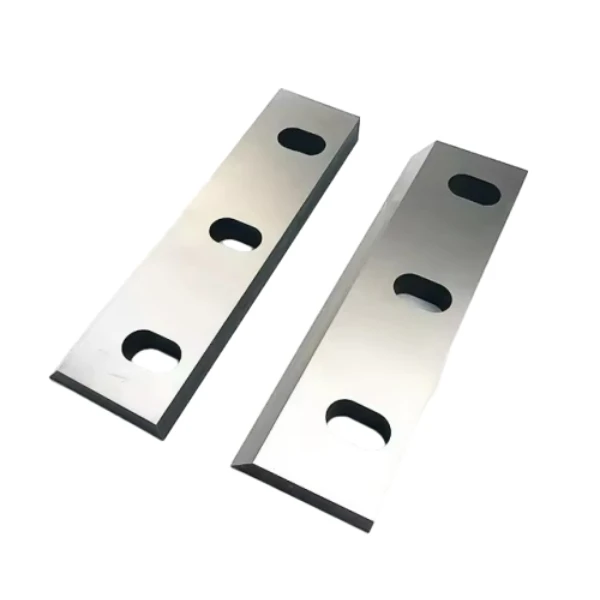
Utilizing heavy-duty shear slitting knives for high-tensile steel strips used in chassis and frame components, ensuring clean cuts with zero burrs at extreme volumes.

3. Food Packaging Facilities (Chicago, IL)

Deployment of slitting machine blades for aluminum foil and plastic film conversion, maintaining high speed and precise width for the US fast-food packaging market.

3. Industrial Food Processing (Fresno, CA)

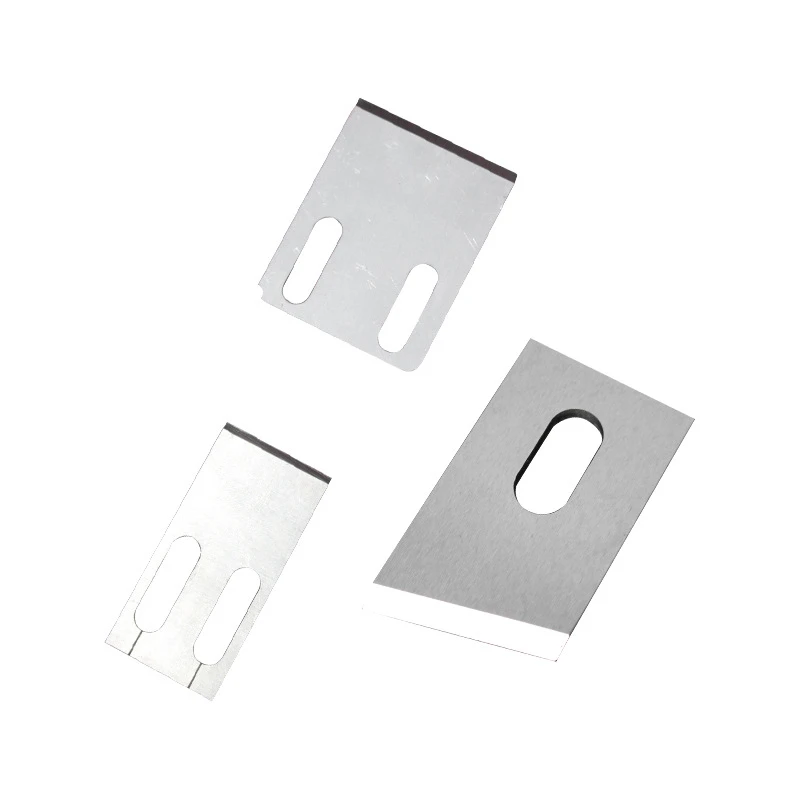
Integration of specialized tomato slicer blades in automated vegetable processing lines, optimizing for consistent slice thickness and minimal product bruising.

4. Electronics Component Slitting (Austin, TX)

Using ultra-thin rotary slitter knives for copper cladding and flexible PCBs, where microscopic precision is required to prevent circuit disruption.

5. Paper & Pulp Conversion (Georgia, USA)

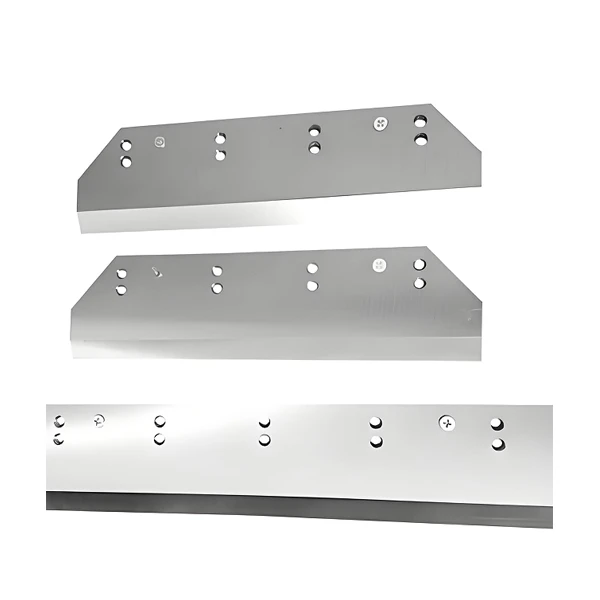
Implementing high-durability straight cutting blade systems for industrial paper rolls, reducing dust accumulation and improving edge quality for commercial printing.

Brand Story

Global Development History of Hebei Shunou Technology Co., Ltd.

Foundational Excellence

Started with a vision to solve the inefficiency of traditional tool steel, focusing on high-precision grinding and metallurgy for industrial cutting.

Technological Breakthrough

Developed advanced heat treatment processes that increased blade hardness and wear resistance, solving the pain point of frequent blade replacements.

Global Expansion

Established strategic partnerships across North America, adapting product lines to meet the rigorous standards of US manufacturing plants.

Innovation Leadership

Invested in AI-driven design software to create custom blade geometries that optimize material throughput for global clients.

Sustainable Future

Committed to eco-friendly manufacturing, reducing the carbon footprint of precision tooling while enhancing global industrial efficiency.

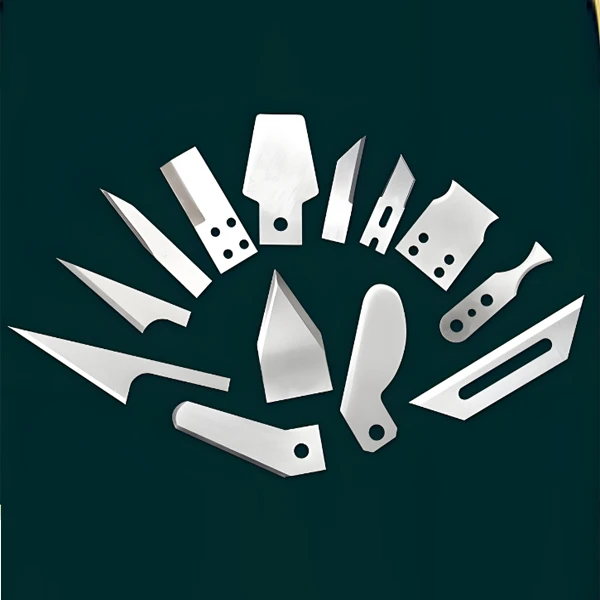
Complete Cutting Tool Portfolio for the US Market

Comprehensive solutions ranging from food-grade slicers to heavy-duty industrial shears

Frequently Asked Questions - USA Edition

Expert answers to common precision blade queries in the North American industry

How do I choose the right material for slitting machine blades in high-speed US lines?

For high-speed lines, we recommend Tungsten Carbide or Cobalt-alloyed steels. These materials offer superior hardness and thermal stability, reducing the frequency of shutdowns for blade changes.

What is the expected lifespan of rotary slitter knives when cutting abrasive materials?

Lifespan varies by material, but our nano-coated knives typically last 3-5 times longer than standard steel blades. Regular inspection and precision sharpening are key to maximizing ROI.

Are your tomato slicer blades compliant with US FDA food safety standards?

Yes, our food-grade blades are manufactured from high-grade stainless steel and treated with food-safe polishing processes to ensure zero contamination and easy sterilization.

Can you provide custom geometry for a straight cutting blade application?

Absolutely. We offer full OEM/ODM services, allowing US clients to specify exact angles, thicknesses, and coatings to match their unique machinery specifications.

What is the difference between shear slitting knives and rotary knives for industrial use?

Shear knives typically operate in a reciprocating or guillotine motion for thicker materials, while rotary knives rotate at high speeds for continuous, high-volume slitting of thinner webs.

How do I optimize the setup of my slitting knives to prevent edge burrs?

Proper overlap (side play) and pressure settings are critical. We provide technical consultation to help US operators calibrate their machinery for the perfect shear angle.

Ready to Optimize Your Production?

Our technical engineers are ready to help you implement the highest precision cutting solutions in the United States.

Contact Us Now

If you are interested in our products, you can choose to leave your information here, and we will be in touch with you shortly.