See us at E-Waste World Expo 2026 ( Booth D136 ) June 17-18th , Messe Frankfurt, Germany

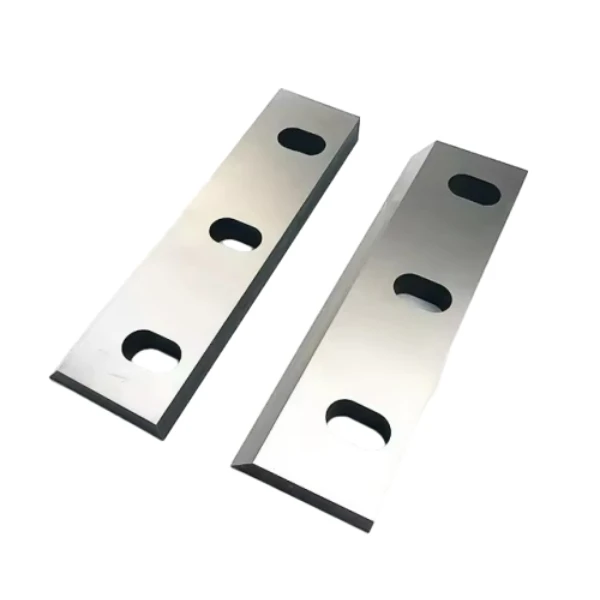
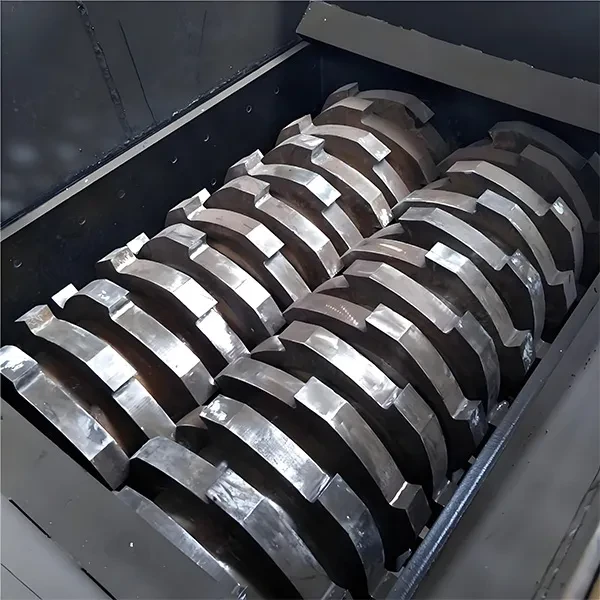
Industrial Cutting Solutions for Rotary Slitter Knives in Qatar

Precision engineered metal sealing and cutting components tailored for the demanding industrial landscape of Asia - Qatar.

Industrial Cutting Solutions for Rotary Slitter Knives in Qatar

Providing high-performance cutting edges and metal sealing components to optimize manufacturing efficiency across Qatar's industrial zones.

The Current State of Precision Cutting in Asia - Qatar

Analyzing the impact of extreme climates on industrial blade wear and performance.

In Qatar, the manufacturing sector faces unique challenges due to extreme ambient temperatures and high humidity, which accelerate the oxidation and wear of slitting machine blades. Local industries, particularly those supporting the oil, gas, and packaging sectors, require materials with exceptional thermal stability to prevent edge deformation during continuous operation.

The reliance on imported high-precision components means that downtime for blade replacement can be costly. Consequently, there is a growing demand for straight cutting blade technology that offers extended service life and reduced maintenance intervals under harsh desert conditions.

Furthermore, the rise of local food processing plants in Doha and surrounding areas has spiked the requirement for specialized tomato slicer blades, demanding a balance between surgical sharpness and food-grade corrosion resistance to meet strict regional health standards.
Evolution and Trajectory of Cutting Technology

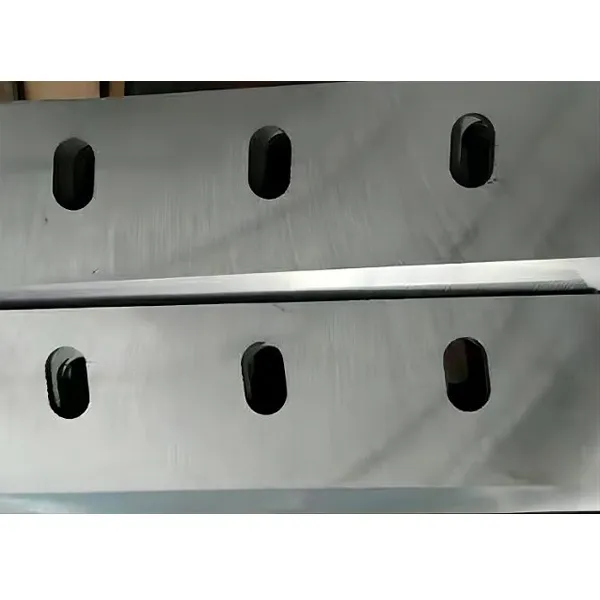
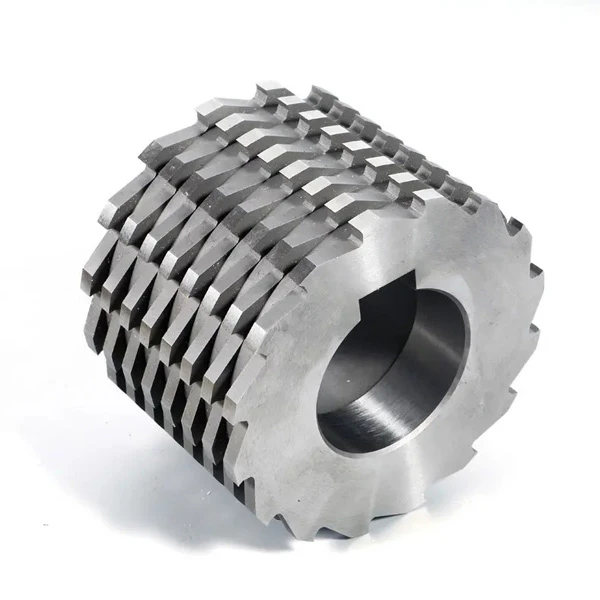
From traditional carbon steel to advanced tungsten carbide coatings.

Market Development History

During the early industrialization phase (pre-2010), the Qatari market primarily utilized basic carbon steel tools. These tools required frequent sharpening and offered low resistance to the salty, humid air typical of the Gulf coast.

Between 2010 and 2020, the transition toward high-speed steel (HSS) and basic cobalt alloys occurred. This era saw the introduction of more sophisticated shear slitting knives, enabling the local packaging industry to handle tougher synthetic materials used in industrial sealing.

Since 2020, the focus has shifted toward "Smart Cutting." The integration of PVD and CVD coatings has allowed blades to withstand higher friction and heat, significantly reducing the total cost of ownership for large-scale factories.

Future Development Trends

Nano-Ceramic Hybrid Coatings

Expect a shift toward nano-structured coatings that provide an almost frictionless surface, reducing energy consumption in high-speed slitting processes.

Precision Geometry Optimization

Using AI-driven design to optimize the bevel angle of blades, ensuring that the cutting force is distributed evenly to prevent material burrs.

Sustainability-Driven Metallurgy

Increased use of recyclable high-performance alloys to align with Qatar's National Vision 2030 regarding environmental sustainability in manufacturing.

Industry Outlook and Future Prospects

Strategic directions for metal sealing and cutting components in the Middle East.

Thermal Resistance Enhancement
Developing alloys specifically designed to maintain hardness at temperatures exceeding 60°C to suit the Qatari climate.
Automation Integration
Implementing sensor-based wear detection to predict the exact moment for blade replacement in automated lines.
Material Diversification
Expanding the use of polycrystalline diamond (PCD) for ultra-hard material slitting in the energy sector.
Eco-Friendly Production
Reducing the carbon footprint of blade manufacturing through energy-efficient sintering and grinding.

Industry Outlook

Based on search trends in the Middle East, there is a significant increase in queries regarding "long-life industrial cutting tools," indicating that Qatari firms are moving away from low-cost consumables toward high-value, durable investments.

The integration of Industry 4.0 will likely lead to "Blade-as-a-Service" models, where manufacturers provide not just the product, but the complete lifecycle management and predictive maintenance for cutting components.

Local Application Scenarios in Qatar

How our precision blades solve real-world challenges in Qatar's key industries.

01. Oil & Gas Gasket Production

Utilizing shear slitting knives to precision-cut heavy-duty rubber and composite seals for pipeline maintenance in the North Field expansion projects.

02. Food Processing and Logistics

Implementing high-grade stainless steel tomato slicer blades for automated vegetable processing centers supplying hotels and resorts in Doha.

03. Industrial Packaging & Foil

Deploying high-speed rotary slitter knives for the conversion of aluminum foils and plastic films used in regional pharmaceutical packaging.

04. Construction Materials Cutting

Using reinforced straight cutting blade systems to slice insulation materials and waterproof membranes for large-scale infrastructure builds.

05. Paper and Cardboard Conversion

Applying precision slitting machine blades to produce standardized shipping boxes for Qatar's expanding e-commerce logistics hubs.

Brand Story

Global Development History of Hebei Shunou Technology Co., Ltd.

Foundation and Local Mastery

Established as a specialist in high-precision metallurgy, focusing on solving the fundamental issue of edge chipping in industrial blades.

Technological Breakthroughs

Developed proprietary heat-treatment processes that significantly increased the hardness and toughness of tungsten carbide components.

Global Market Expansion

Extended operations to the Middle East, establishing strategic supply chains to support the rapid industrialization of Qatar and the UAE.

Certification and Standards

Achieved international ISO certifications, ensuring every blade produced meets the most stringent global safety and precision standards.

Vision for the Future

Striving to be the world leader in "zero-defect" cutting solutions, focusing on sustainable materials and AI-integrated manufacturing.

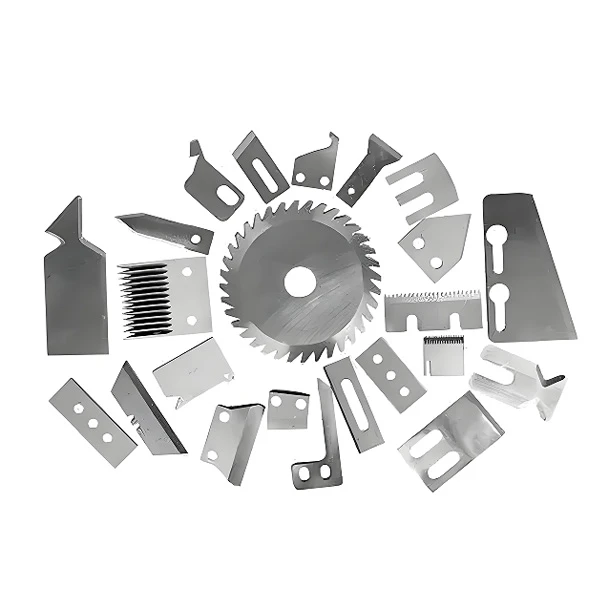
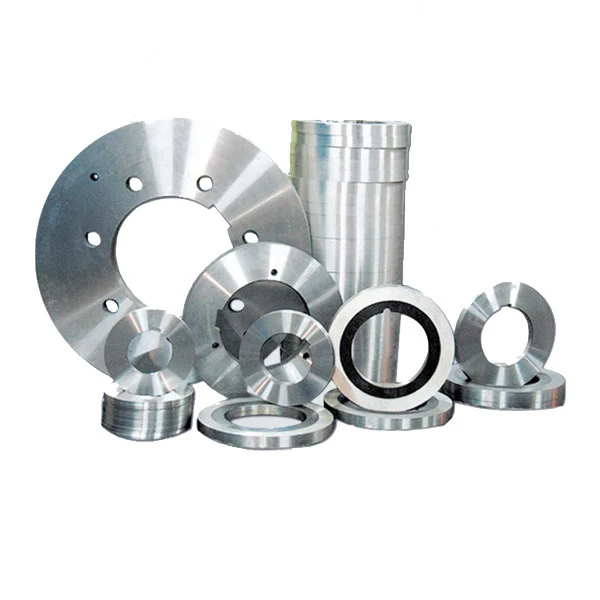
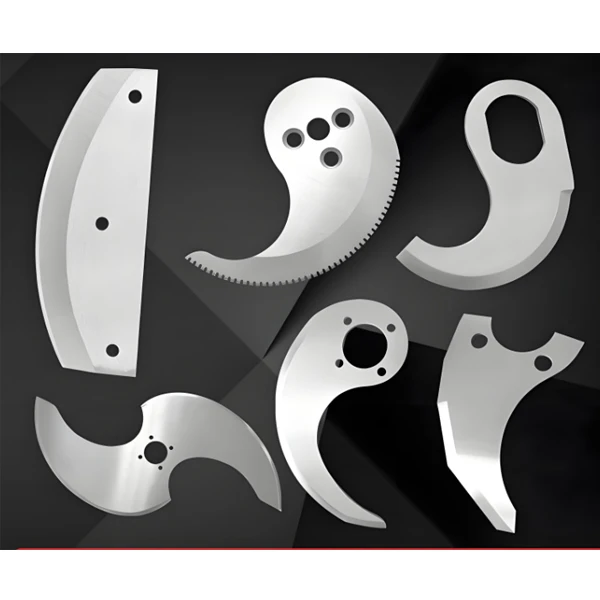
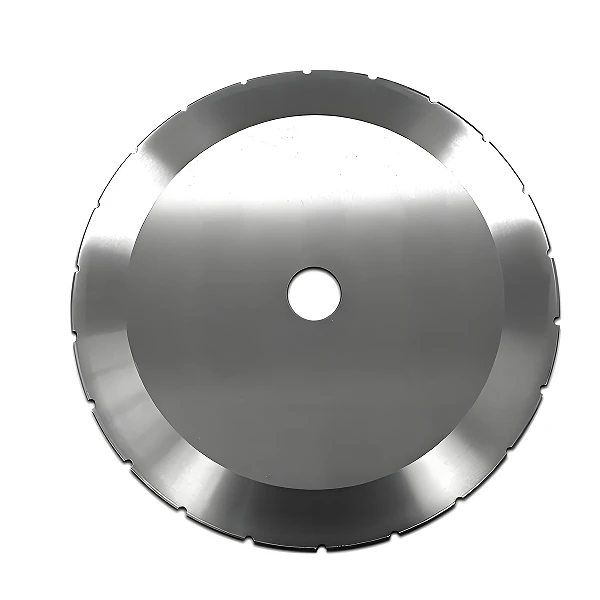
Comprehensive Cutting Product Portfolio for Qatar

A full range of high-performance blades designed for the specific demands of Asian industrial environments.

Frequently Asked Questions in Asia - Qatar

Expert answers to common technical queries regarding industrial blade performance.

How do I prevent corrosion on slitting machine blades in humid coastal areas of Qatar?

We recommend using PVD-coated blades or high-grade stainless steel alloys that create a protective barrier against salty air and high humidity, significantly reducing oxidation.

What is the best material for rotary slitter knives used in high-temperature environments?

Tungsten carbide with a cobalt binder is ideal for high-temperature stability, ensuring that the cutting edge does not soften or deform during continuous operation in hot climates.

Can tomato slicer blades be customized for specific food-grade standards in Qatar?

Yes, we provide fully customizable blades using FDA-approved stainless steels that comply with international and local health regulations for food processing.

How often should a straight cutting blade be replaced in an industrial setting?

Replacement frequency depends on the material being cut, but we typically recommend a wear audit every 500 operating hours to prevent quality degradation.

What are the advantages of using shear slitting knives over traditional dies?

Shear slitting knives provide cleaner edges, higher speeds, and are much easier to adjust and replace, reducing overall machine downtime in fast-paced production lines.

Do you provide technical support for blade installation in Asia - Qatar?

We provide comprehensive remote technical guidance and detailed installation manuals to ensure your blades are perfectly aligned for maximum efficiency.

Get Expert Cutting Consultation

Optimize your manufacturing precision today. Our engineers are ready to provide tailored solutions for your facility in Qatar.

Contact Us Now

If you are interested in our products, you can choose to leave your information here, and we will be in touch with you shortly.