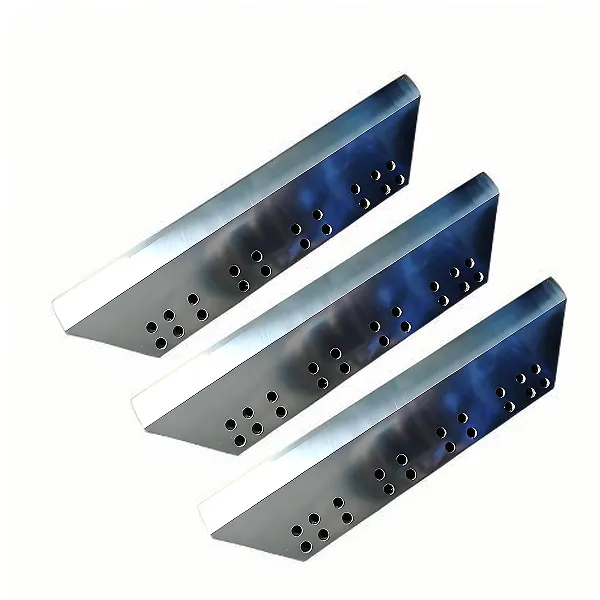

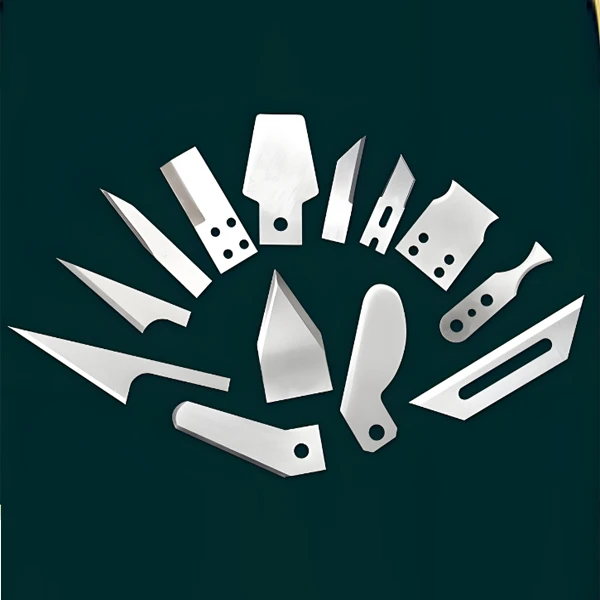

The manufacturing landscape in Afghanistan currently faces significant challenges due to extreme temperature fluctuations and dust-heavy environments. These conditions accelerate the wear and tear of slitting machine blades, necessitating tools with superior hardness and corrosion resistance.
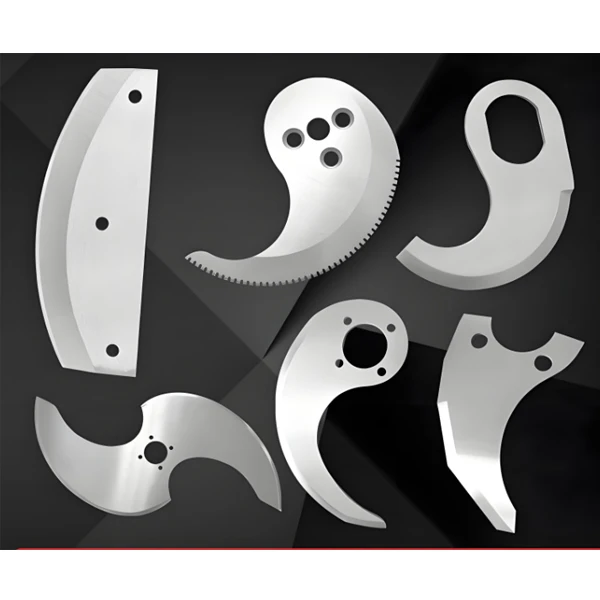
Many local workshops still rely on outdated manual cutting methods, but there is a visible shift toward automation in the packaging and agriculture sectors. The demand for specialized tomato slicer blades has increased as the country seeks to modernize its food preservation and export capabilities.
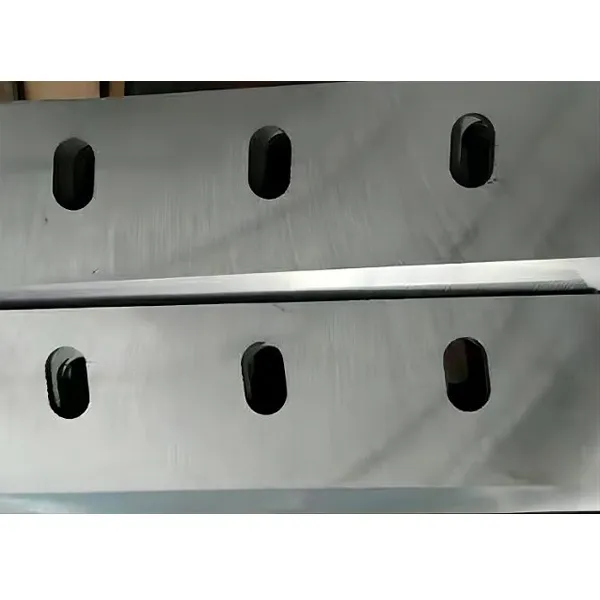
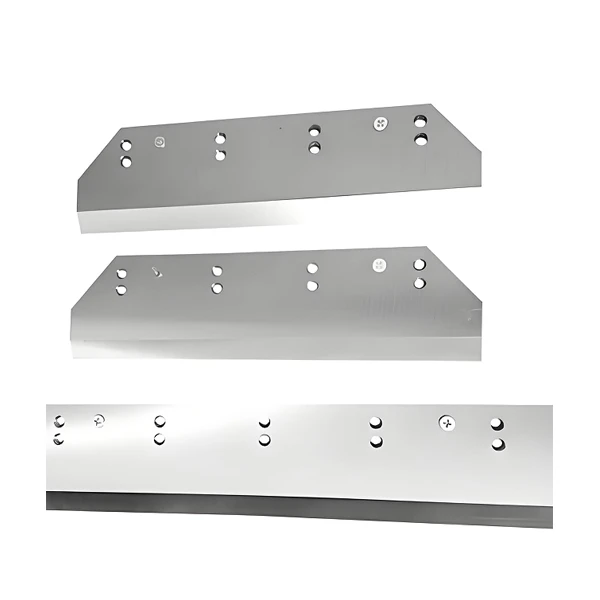
Despite logistical hurdles, Afghan enterprises are increasingly sourcing high-grade tungsten carbide and alloy steel components to reduce downtime. The integration of precision-engineered straight cutting blade options is becoming a priority for local metal fabrication shops aiming for international quality standards.