
See us at E-Waste World Expo 2026 ( Booth D136 ) June 17-18th , Messe Frankfurt, Germany

Industrial rotary slitter knives Solutions for Myanmar's Manufacturing Sector

Precision-engineered cutting components designed to optimize productivity for the burgeoning industrial landscapes of Yangon and Mandalay.

Industrial rotary slitter knives Solutions for Myanmar's Manufacturing Sector

Providing high-performance cutting tools that meet the rigorous demands of Myanmar's metal sealing and general component manufacturing industries, ensuring zero-defect production and extended tool life.

The Current Landscape of Cutting Tooling in Myanmar

Analyzing the intersection of regional economic growth and technical requirements for precision blades.

Myanmar's manufacturing sector is currently experiencing a transition toward semi-automation. In the general equipment and component manufacturing hubs, there is a growing demand for high-durability slitting machine blades to support the packaging and metal processing industries, which are critical for the country's export growth.

The local environment, characterized by high humidity and temperature fluctuations, places significant stress on tool steel. This often leads to premature corrosion and edge degradation in standard blades, making the adoption of advanced coatings and specialized alloys essential for maintaining tight tolerances in seal manufacturing.

Furthermore, as Myanmar integrates more deeply into Southeast Asian supply chains, factories are shifting from rudimentary manual cutting to precision-driven processes. This evolution necessitates the integration of high-performance shear slitting knives to ensure consistent material throughput and reduced scrap rates.
Technical Evolution and Growth Trajectory

From traditional craftsmanship to high-precision industrial metallurgy.

Market Development History

Historically, the Myanmar market relied heavily on generic, low-cost imported blades with minimal heat treatment. Between 2010 and 2018, the focus was primarily on basic utility, where simple straight cutting blade configurations were sufficient for low-speed production lines.

From 2019 onwards, the emergence of specialized industrial zones led to a requirement for higher technical specifications. The introduction of CNC-ground tooling allowed local manufacturers to move toward tighter precision, reducing the "burr" effect in metal sealing components.

Currently, the market is entering a phase of "Material Optimization," where the focus has shifted from mere hardness to the balance of toughness and wear resistance, specifically for high-volume rotary applications.

Future Development Trends

Transition to Tungsten Carbide Alloys

There is a clear shift toward carbide-tipped tools to handle abrasive materials, significantly reducing downtime for blade changes in heavy-duty slitting operations.

Automation-Compatible Tooling

Future tooling will feature integrated marking and precision indexing, allowing for faster setup times and seamless integration with automated blade changers.

Eco-Friendly Coating Technologies

The adoption of CrN and TiAlN coatings is expected to rise to combat the corrosive tropical climate of Myanmar, extending the lifespan of precision edges.

Industry Outlook and Future Projections

Strategic forecasting for the cutting tool industry in the Asia-Pacific region.

Smart Tool Monitoring
Integration of sensors to predict blade wear, moving from scheduled maintenance to condition-based replacement.
Ultra-Precision Grinding
Adopting sub-micron tolerance grinding to eliminate burrs in metal seal components, enhancing leak-proof performance.
Diversified Material Processing
Expanding blade capabilities to handle hybrid composites and high-strength alloys used in modern infrastructure.
Sustainable Tool Life
Implementation of advanced regrinding services to reduce industrial waste and lower the cost per cut.

Industry Outlook

Based on Google search trends for "precision tooling Asia," there is a significant spike in demand for specialized food-grade cutting tools. This indicates that Myanmar's agri-processing sector will soon require high-performance tomato slicer blades and other stainless-steel solutions to meet international export hygiene standards.

Over the next 3-5 years, we expect the convergence of traditional metal-working and high-tech polymers. This will drive the need for versatile blade geometries that can transition between cutting soft plastics and hard metals without losing edge integrity.

Localized Application Scenarios in Myanmar

Real-world implementation of precision cutting technology across various local sectors.

01. Automotive Gasket Manufacturing in Yangon

Utilizing high-precision rotary slitter knives to produce consistent rubber and metal gaskets, ensuring airtight seals for the regional vehicle assembly market.

02. Agri-Export Processing Centers

Deployment of specialized tomato slicer blades in food processing plants to ensure uniform slices for export-grade canned produce, reducing organic waste.

03. Electrical Insulation Slitting

Using slitting machine blades for the precise cutting of polymer films and insulating tapes used in Myanmar's expanding electronics assembly plants.

04. Industrial Metal Foil Fabrication

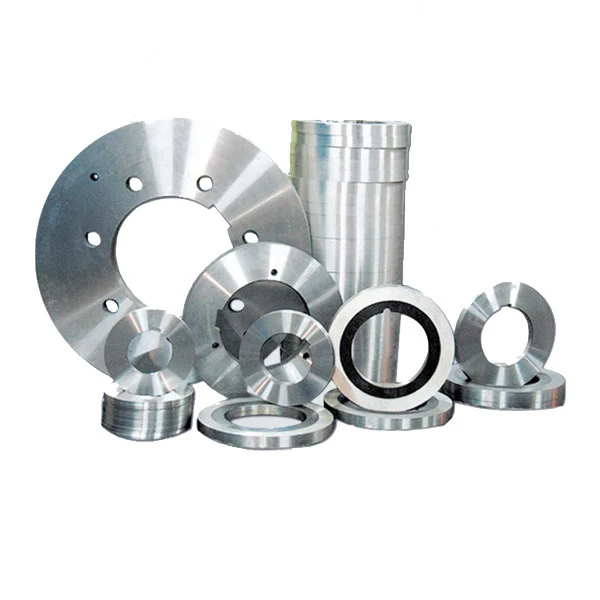
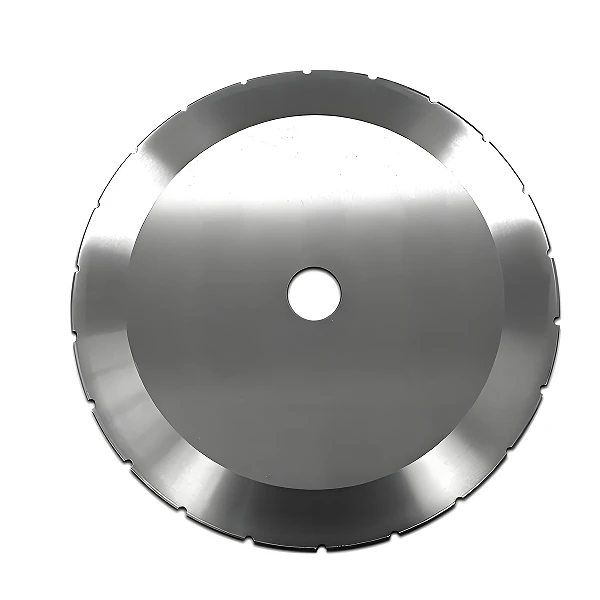
Applying shear slitting knives for high-speed processing of aluminum and copper foils, critical for the production of local capacitors and electrical components.

05. General Hardware Component Production

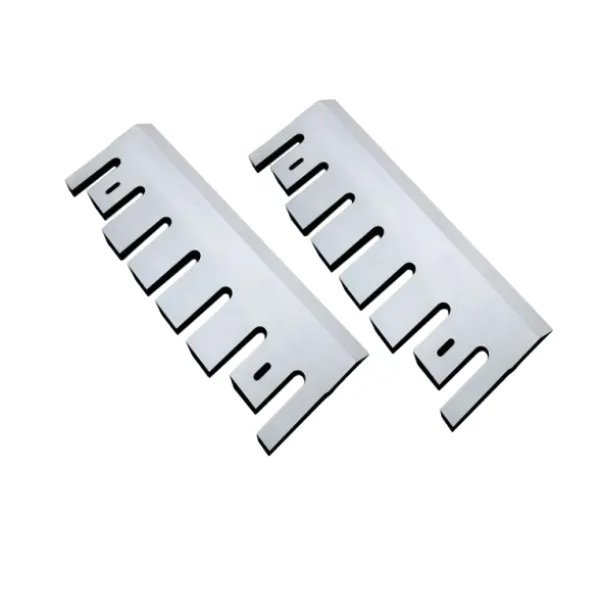
Implementing straight cutting blade systems for the rapid production of standardized metal shims and spacers used in general machinery maintenance.

Brand Story

Global Development History of Hebei Shunou Technology Co., Ltd.

The Foundation of Precision

Established with a vision to solve the most difficult cutting challenges, we began by focusing on high-carbon steel metallurgy for industrial seals.

Technological Breakthroughs

Developed proprietary heat-treatment processes that significantly increased the wear resistance of rotary blades, reducing customer downtime by 30%.

Global Market Expansion

Expanded our footprint into the Asia-Pacific region, tailoring our tool geometries to meet the specific material challenges of tropical climates.

Innovation in Coatings

Integrated advanced PVD coating lines to provide customized surface treatments, allowing our blades to cut through abrasive composites with ease.

Commitment to Sustainability

Launched a global regrinding initiative, promoting a circular economy by extending the life of industrial cutting tools worldwide.

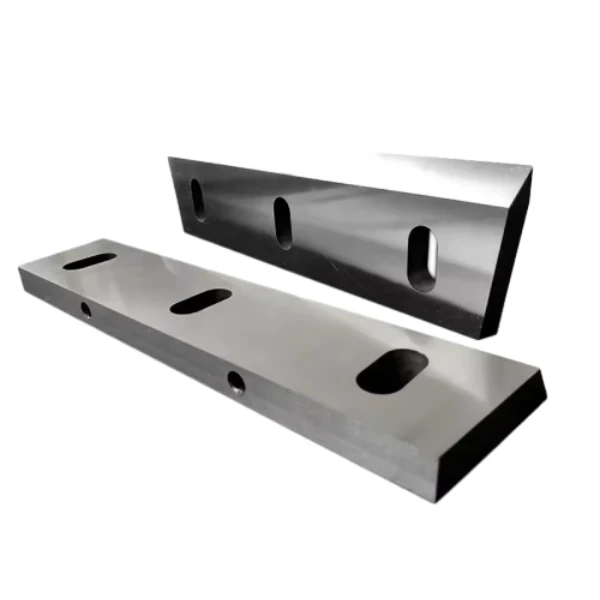
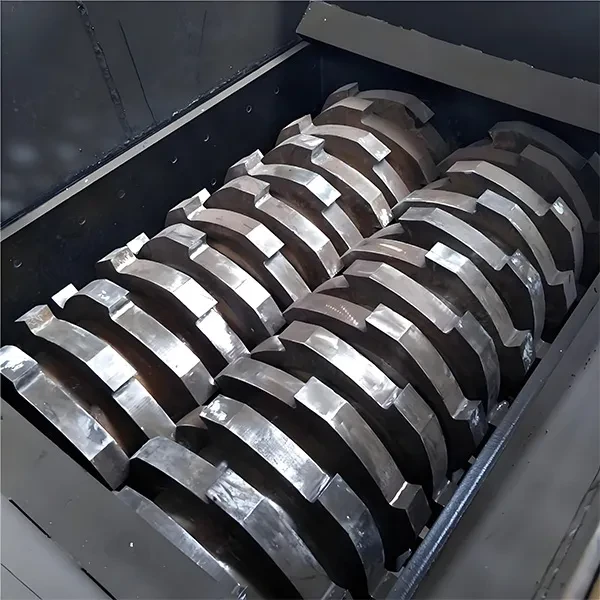
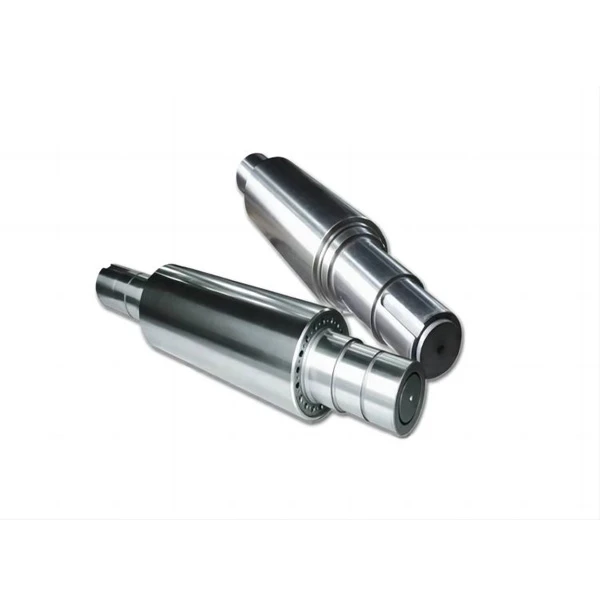
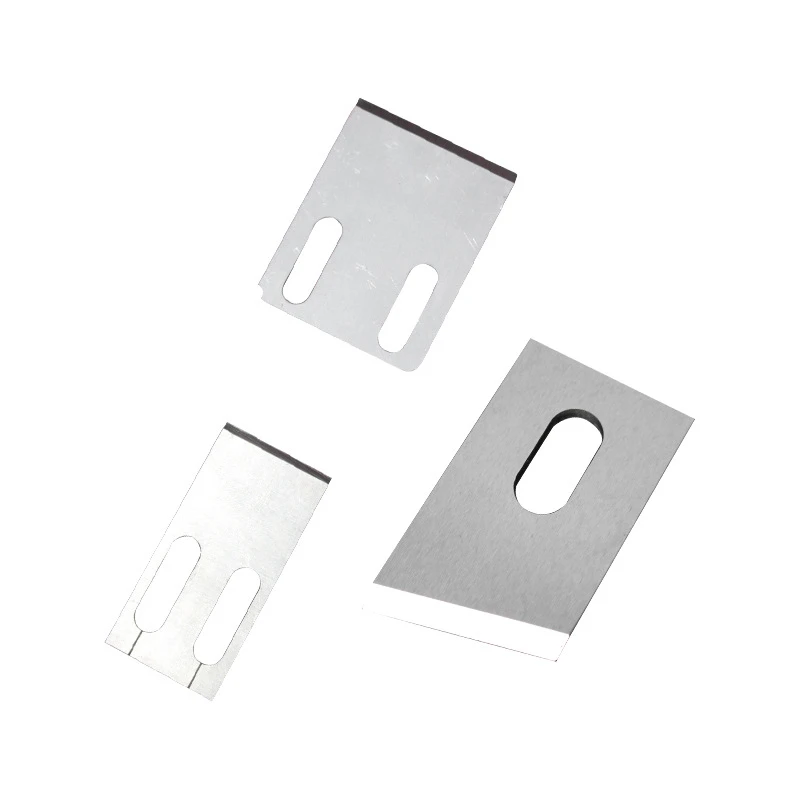
Complete Cutting Tool Portfolio for Myanmar

A comprehensive range of blades engineered for durability and precision in the Myanmar industrial sector.

Industrial Cutting FAQ - Myanmar Edition

Expert answers to common technical queries regarding slitting and slicing tools.

How do I choose the right steel for slitting machine blades in high-humidity areas?

For Myanmar's humid climate, we recommend using high-chromium alloys or adding a PVD coating to prevent oxidation while maintaining the hardness required for clean cuts.

What is the expected lifespan of rotary slitter knives when cutting abrasive seals?

Depending on the material, our tungsten carbide rotary knives can last up to 5 times longer than standard HSS blades, though regular lubrication is recommended.

Can tomato slicer blades be customized for different fruit densities?

Yes, we can adjust the bevel angle and serration pitch to ensure a clean cut across various produce densities, preventing crushing during the slicing process.

How does a straight cutting blade differ from a shear slitting knife in application?

A straight cutting blade is typically used for guillotine-style cuts, whereas a shear slitting knife is designed for continuous rotary cutting of rolls.

What tolerances can be achieved with precision slitting tools for metal seals?

Our precision-ground tools can achieve tolerances as tight as ±0.005mm, which is essential for leak-proof metal sealing components.

Do you provide regrinding services for worn-out industrial knives in Myanmar?

We offer a professional regrinding and recoating program to restore the factory-edge sharpness of your tools, reducing the need for full replacements.

Consult Our Cutting Experts

Looking for precision tooling to upgrade your production line in Myanmar? Our engineers are ready to provide tailored technical specifications for your facility.

Contact Us Now

If you are interested in our products, you can choose to leave your information here, and we will be in touch with you shortly.