See us at E-Waste World Expo 2026 ( Booth D136 ) June 17-18th , Messe Frankfurt, Germany

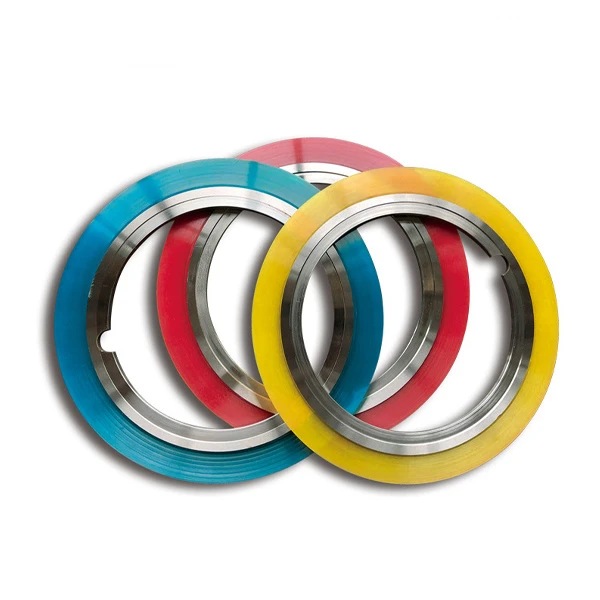
Industrial rotary slitter knives Solutions for Nigeria's Manufacturing Sector

High-precision metal sealing and cutting components engineered to optimize industrial productivity across West Africa's largest economy.

Industrial rotary slitter knives Solutions for Nigeria's Manufacturing Sector

Providing cutting-edge slitting and slicing technology to enhance the efficiency of Nigerian metal processing and food packaging industries.

Current State of Precision Cutting in Nigeria

Analyzing the intersection of material durability and environmental challenges in the Nigerian industrial landscape.

In Nigeria, the manufacturing sector faces unique challenges due to high humidity and saline air in coastal industrial hubs like Lagos. This environment accelerates the oxidation of standard slitting machine blades, leading to frequent downtime and increased maintenance costs for local factories.

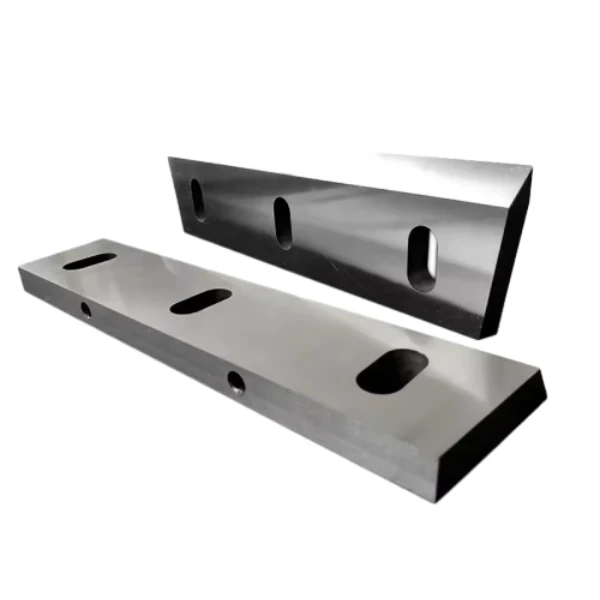
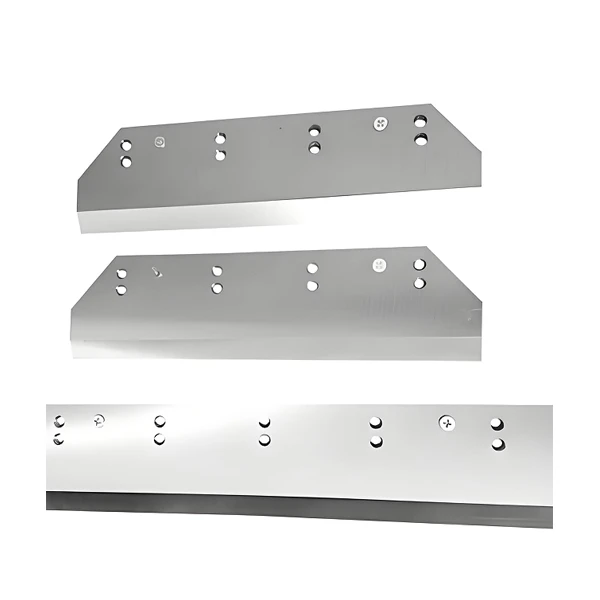
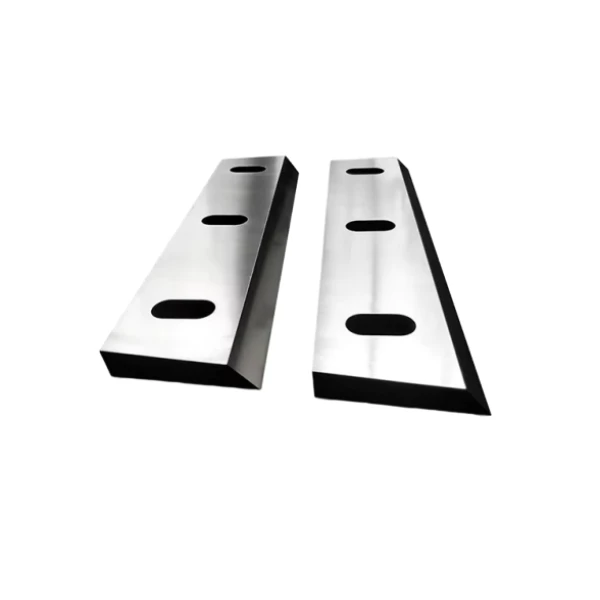
Many local enterprises rely on imported equipment but struggle with the supply chain for consumables. The demand for high-grade straight cutting blade components is rising as the nation shifts toward localized production of packaging materials and metal foils.

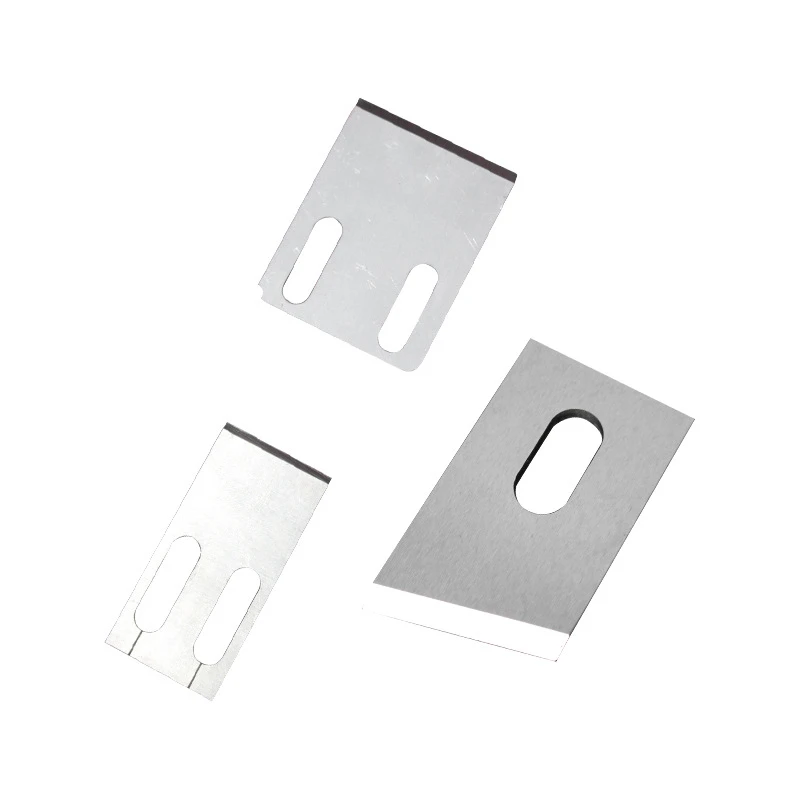
Furthermore, the agricultural processing sector, particularly in the northern regions, is increasingly adopting automated slicing technologies. This has created a critical need for specialized tomato slicer blades that can withstand high-volume throughput while maintaining hygienic standards.
Evolution of Cutting Technology in West Africa

From manual shearing to high-speed rotary precision.

Market Development History

Prior to 2010, the Nigerian metalwork industry primarily utilized basic manual shears and low-carbon steel tools, which lacked the precision required for high-speed industrial applications.

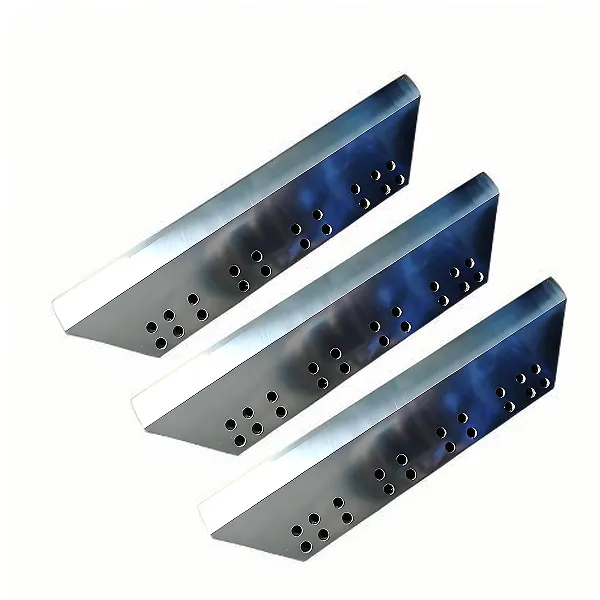
Between 2010 and 2020, there was a significant transition toward semi-automated machinery. The introduction of shear slitting knives allowed for more consistent widths in steel and aluminum processing, supporting the growth of local construction materials.

From 2020 to the present, the market has shifted toward Tungsten Carbide and high-alloy coatings. This evolution is driven by the need for longer tool life and the adoption of high-speed rotary systems to meet the demands of the FMCG (Fast-Moving Consumer Goods) sector.

Future Development Trends

Smart Coating Integration

We expect a surge in the use of DLC (Diamond-Like Carbon) coatings to combat the corrosive tropical climate of Nigeria, significantly extending blade life.

Automation in Ag-Tech

Precision slicing in food processing will move toward modular, quick-change blade systems to reduce cleaning time and increase operational uptime.

Sustainable Tooling

There is a growing trend toward recyclable high-performance alloys, aligning with global ESG standards and reducing the environmental impact of industrial waste.

Industry Outlook and Future Projections

Strategizing for the next 5 years of industrial growth in Nigeria.

High-Speed Precision
Shift toward ultra-high RPM rotary systems to increase throughput for Nigeria's expanding packaging hubs.
Corrosion Resistance
Development of specialized alloys to prevent rust in coastal manufacturing zones.
Modular Design
Implementation of rapid-exchange blade cartridges to minimize industrial downtime.
Eco-Friendly Steel
Adopting low-emission steel production for blades to meet international export standards.

Industry Outlook

Google search trends indicate a growing interest in "industrial automation" and "precision tooling" within Nigeria. This suggests a pivot from labor-intensive cutting to technology-driven processes, where high-quality blades are the primary bottleneck for scaling.

The integration of IoT-enabled wear sensors on slitting knives is expected to enter the Nigerian market within 3 years, allowing factories to predict blade failure and schedule maintenance proactively.

Localized Application Scenarios in Nigeria

Practical implementations of our cutting solutions across Nigerian industries.

01. Flexible Packaging for Lagos FMCG

Utilizing high-precision rotary slitters to produce narrow-width plastic films for food and pharmaceutical packaging in the Lagos industrial zone.

02. Aluminum Foil Production in Kano

Deploying heavy-duty shear slitting systems for the conversion of aluminum coils into household foil rolls for regional distribution.

03. Industrial Food Processing in Jos

Implementing high-grade stainless steel slicing blades for the automated processing of tomatoes and other vegetables for canning.

04. Steel Coil Slitting for Construction

Supplying precision-ground blades for slitting galvanized steel coils used in roofing sheet production across Nigeria.

05. Textile and Synthetic Fabric Cutting

Application of ultra-sharp straight blades for the precision cutting of synthetic fabrics in the emerging garment manufacturing sector.

Brand Story

Global Development History of Hebei Shunou Technology Co., Ltd.

Foundation of Excellence

Established with a mission to solve the critical failure of industrial blades under extreme pressure and heat.

Technical Breakthrough

Developed proprietary heat-treatment processes that increased blade hardness and wear resistance by 40%.

Global Expansion

Expanded operations to serve the African market, specifically addressing the environmental challenges of West Africa.

Innovation Leadership

Integrated CNC precision grinding technology to achieve micron-level tolerances for global clients.

Commitment to Nigeria

Dedicated to providing the Nigerian manufacturing sector with tools that reduce waste and maximize output.

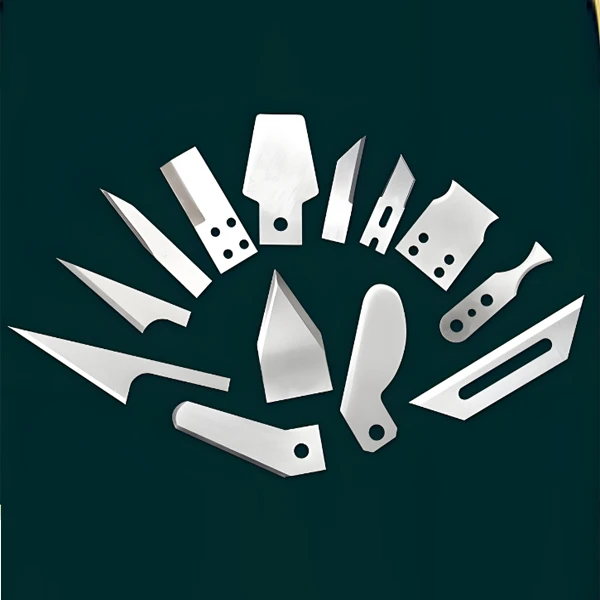
Comprehensive Cutting Tool Portfolio for Nigeria

A full range of industrial blades designed for the diverse needs of Nigerian manufacturers.

Common Questions in Nigeria's Cutting Industry

Expert answers to technical challenges faced by local operators.

How to prevent rust on slitting machine blades in coastal Nigeria?

We recommend using chrome-plated or DLC-coated blades and applying industrial-grade anti-corrosion lubricants during downtime to protect against saline air.

What is the best material for rotary slitter knives used in foil processing?

Tungsten Carbide is the ideal choice for foil processing due to its extreme hardness and ability to maintain a sharp edge over long production runs.

How often should tomato slicer blades be sharpened for high-volume use?

Depending on the throughput, we recommend a professional sharpening cycle every 100-200 operational hours to ensure clean cuts and reduce product waste.

Can a straight cutting blade be customized for specific alloy thicknesses?

Yes, we offer custom thickness and bevel angle adjustments to match the specific material hardness and thickness required for your application.

What are the signs that shear slitting knives need replacement?

Common indicators include burrs on the edge of the slit material, increased machine vibration, and an increase in power consumption by the motor.

How to choose between different grades of steel for industrial blades?

The choice depends on the balance between hardness (wear resistance) and toughness (impact resistance). We provide technical consultation to match the steel grade to your specific material.

Get Expert Tooling Support

Optimize your production line today with high-performance cutting solutions tailored for the industrial environment in Nigeria.

Contact Us Now

If you are interested in our products, you can choose to leave your information here, and we will be in touch with you shortly.