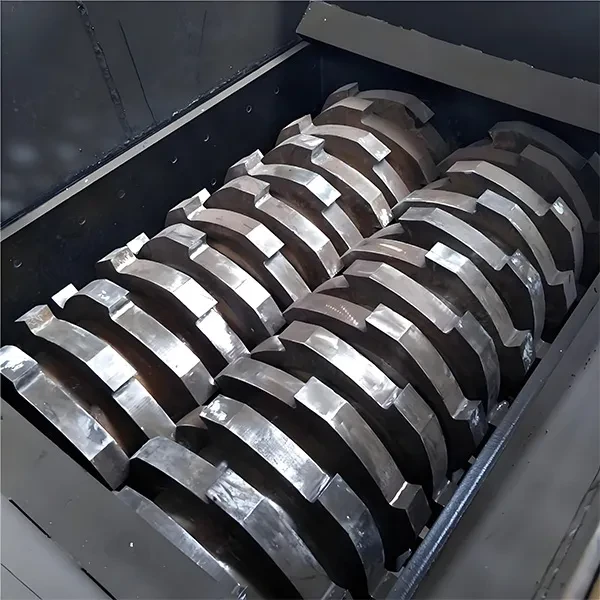
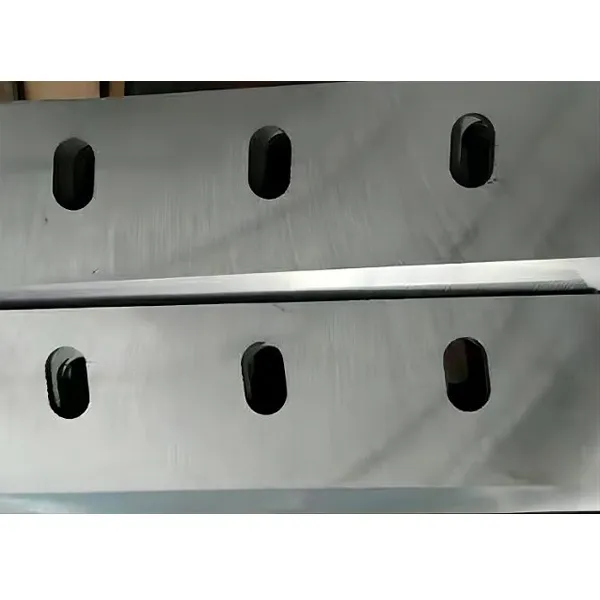
See us at E-Waste World Expo 2026 ( Booth D136 ) June 17-18th , Messe Frankfurt, Germany

Precision Industrial Cutting Solutions: High-Performance rotary slitter knives for Norway

Engineered for the rigorous demands of the Norwegian manufacturing sector, delivering unmatched durability and micron-level precision in metal and food processing.

Precision Industrial Cutting Solutions: High-Performance rotary slitter knives for Norway

Providing Norway's general equipment industry with advanced cutting tools that ensure operational efficiency, reducing downtime and enhancing the edge quality of industrial materials.

Industrial Cutting Landscape in Norway

Analyzing the integration of high-precision blades within Norway's specialized manufacturing environment.

Norway's manufacturing sector, particularly in general equipment and metal components, operates under strict quality standards and environmental regulations. The prevalence of high-salinity coastal air and extreme temperature fluctuations requires slitting machine blades that are not only sharp but also highly resistant to corrosion and oxidation to prevent premature failure in harsh climates.

The local industry is heavily geared toward high-value, low-volume production, meaning precision is prioritized over sheer quantity. Whether it is for offshore equipment components or specialized food packaging, the demand for straight cutting blade technology has shifted toward tungsten carbide and advanced alloy steels to minimize the frequency of blade replacements.

Furthermore, the Norwegian focus on "Green Industry" has pushed manufacturers to optimize their energy consumption. Using superior shear slitting knives reduces the mechanical force required for cutting, thereby lowering electricity consumption and reducing the carbon footprint of the production line.

Evolution of Cutting Technology in the Nordic Region

From traditional metallurgy to AI-driven precision engineering.

Market Development History

In the 1980s and 90s, the Norwegian general equipment sector relied primarily on standard carbon steel tools. These tools required frequent manual sharpening and suffered from rapid wear, leading to inconsistent edge quality in the production of metal seals and gaskets.

By the early 2000s, there was a transition toward powder metallurgy. The introduction of high-speed steel (HSS) allowed for the development of more resilient rotary slitter knives, which significantly increased the duty cycle of machines used in the automotive and aerospace component sectors.

From 2015 to the present, the focus has moved toward surface coatings (TiN, DLC) and cryogenic treatments. This evolution has enabled the production of specialized tools like tomato slicer blades for the Norwegian food processing industry, ensuring hygienic, burr-free cuts that meet EU food safety standards.

Future Development Trends

Nano-structured Coating Integration

We predict a surge in the use of nano-coatings to further reduce friction and heat generation during high-speed slitting operations.

Predictive Wear Monitoring

Integration of IoT sensors into blade holders to monitor wear in real-time, moving from scheduled maintenance to predictive replacement.

Sustainable Bio-compatible Materials

Developing cutting edges that are fully recyclable or made from sustainable alloys to align with Norway's 2030 climate goals.

Industry Trends and Future Outlook

Strategic projections for the cutting tool industry in Northern Europe.

Automation Synergy
The shift toward fully automated blade changing systems to minimize human error and increase uptime in Norwegian factories.
Material Diversification
Increasing demand for blades capable of cutting composite carbon fibers used in Norway's wind energy and maritime sectors.
Hyper-Precision Standards
Transitioning from micron to sub-micron tolerance levels to support the high-end electronics and medical device markets.
Circular Economy
Growth in professional regrinding services and blade recycling programs to reduce industrial waste in the EU region.

Industry Outlook

Based on search trend logic and industrial growth in Scandinavia, the next 3-5 years will see a pivot toward "Smart Cutting." This involves the integration of AI to adjust blade pressure and speed dynamically based on the material's hardness, drastically reducing waste.

Furthermore, the synergy between the maritime oil & gas sector and general equipment manufacturing in Norway will drive the demand for specialized, heavy-duty shear slitting knives capable of handling reinforced steel alloys used in deep-sea infrastructure.

Localized Application Scenarios in Norway

Real-world deployment of precision cutting tools across diverse Norwegian industries.

01. Maritime Seal Manufacturing

Application of slitting machine blades for cutting high-performance rubber and polymer seals used in North Sea oil rigs, ensuring airtight precision in extreme pressure environments.

02. Nordic Food Processing

Deployment of surgical-grade tomato slicer blades in Oslo-based vegetable processing plants to maintain product integrity and minimize waste during high-volume slicing.

03. Aerospace Component Slitting

Use of rotary slitter knives to process titanium and aluminum foils for specialized aerospace parts, requiring zero-burr edges for safety and assembly.

04. Industrial Foil Conversion

Implementation of straight cutting blade systems for the conversion of electrical insulation films used in Norway's expanding electric vehicle (EV) battery infrastructure.

05. Heavy Metal Fabrication

Utilization of industrial-strength shear slitting knives in shipbuilding yards to precision-cut structural steel sheets for offshore vessel construction.

Brand Story

Global Development Journey of Hebei Shunou Technology Co., Ltd.

Foundation of Excellence

Established with a mission to solve the chronic problem of blade wear in heavy industry, we began by mastering the core science of metallurgical heat treatment.

Technological Breakthrough

We pioneered the integration of powder metallurgy into general equipment components, significantly extending the lifecycle of industrial cutting tools.

Global Quality Certification

By achieving international ISO standards, we expanded our reach to the European market, specifically tailoring solutions for the Nordic precision requirements.

Innovation Hub Expansion

Invested in R&D centers focusing on "Zero-Burr" cutting technology, solving the critical pain point of post-processing in metal seal manufacturing.

Future-Ready Manufacturing

Now leading the transition toward sustainable, high-efficiency cutting solutions for the global general equipment manufacturing industry.

Complete Precision Cutting Portfolio for Norway

A comprehensive range of blades designed for the unique demands of the Norwegian general equipment and food processing sectors.

Common Questions for the Norwegian Market

Expert answers to technical queries regarding industrial cutting tool procurement and maintenance.

How do I choose the right material for slitting machine blades in cold climates?

For Norway's environment, we recommend cryogenic-treated alloy steels or tungsten carbide. These materials maintain their structural integrity and hardness even in low-temperature workshops, preventing brittle fractures.

What is the expected lifespan of rotary slitter knives when cutting reinforced polymers?

Lifespan varies by material hardness, but our DLC-coated knives typically offer a 30-50% increase in wear resistance compared to standard HSS, reducing the frequency of downtime for blade swaps.

Are tomato slicer blades compliant with EU food safety standards?

Yes, our food-grade blades are manufactured from stainless steel alloys that are corrosion-resistant and non-reactive, ensuring full compliance with EU and Norwegian health regulations.

How can a straight cutting blade reduce material waste in foil conversion?

By maintaining a consistent cutting angle and extreme sharpness, our blades eliminate "edge pull" and tearing, ensuring that each cut is clean and the scrap margin is minimized.

What maintenance is required for heavy-duty shear slitting knives?

We recommend a regime of periodic precision regrinding and the use of industrial lubricants to reduce friction. Our team provides guidance on the optimal regrinding intervals based on your material volume.

Can you customize blade dimensions for legacy equipment in Norway?

Absolutely. We specialize in reverse engineering and custom manufacturing to ensure that new, high-performance blades fit perfectly into older machinery without requiring equipment modification.

Ready to Optimize Your Production?

Our technical experts are available to provide tailored cutting solutions for your facility in Norway.

Contact Us Now

If you are interested in our products, you can choose to leave your information here, and we will be in touch with you shortly.