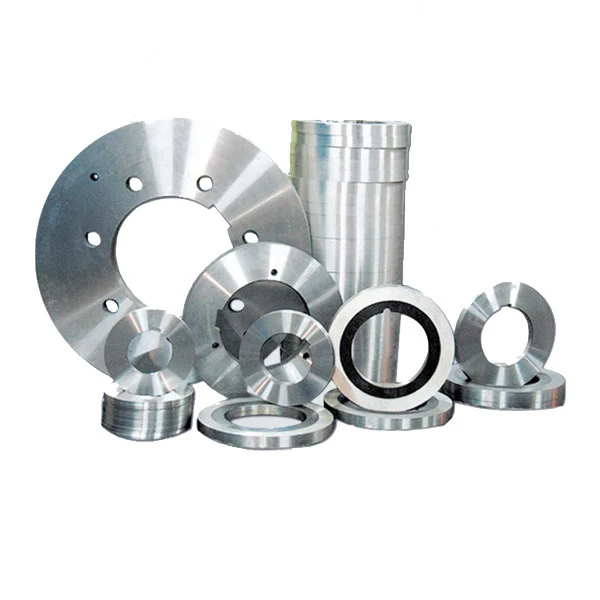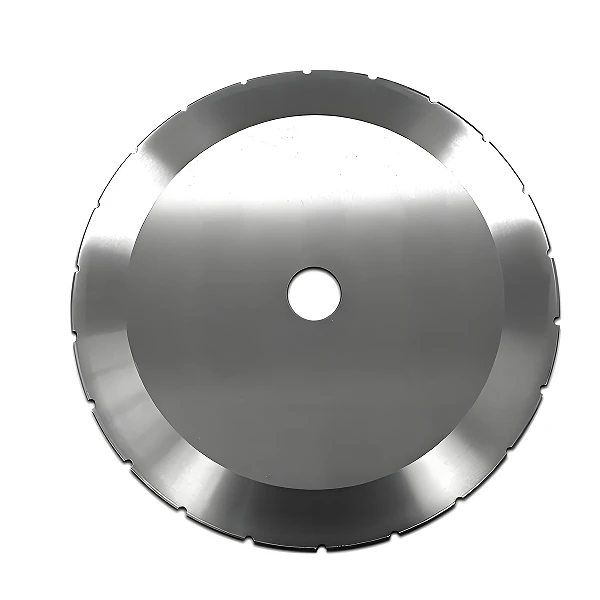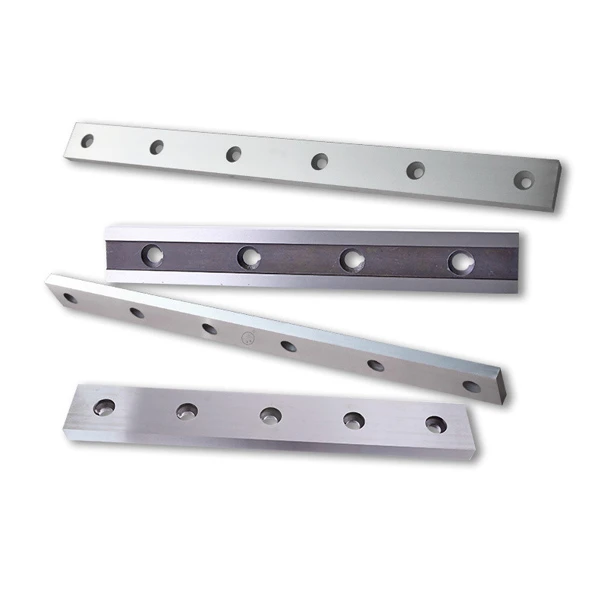
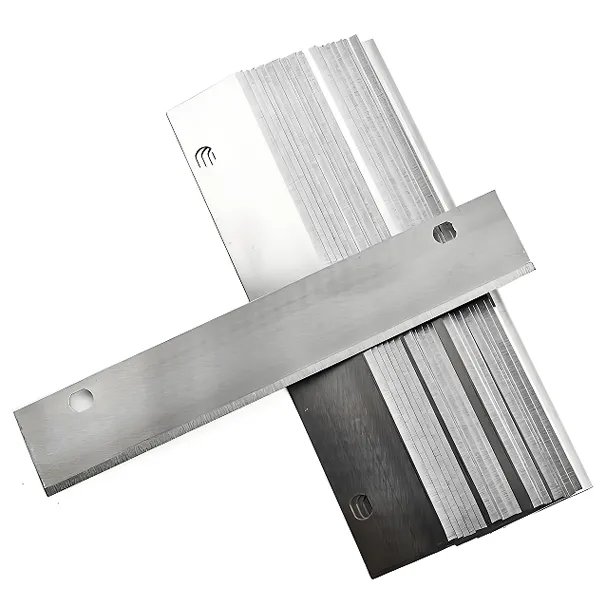
Italy's manufacturing sector, particularly in Northern regions like Lombardy and Emilia-Romagna, is characterized by a high concentration of specialized machinery builders. The demand for high-grade slitting machine blades is driven by a sophisticated packaging and textile industry that refuses to compromise on edge quality.
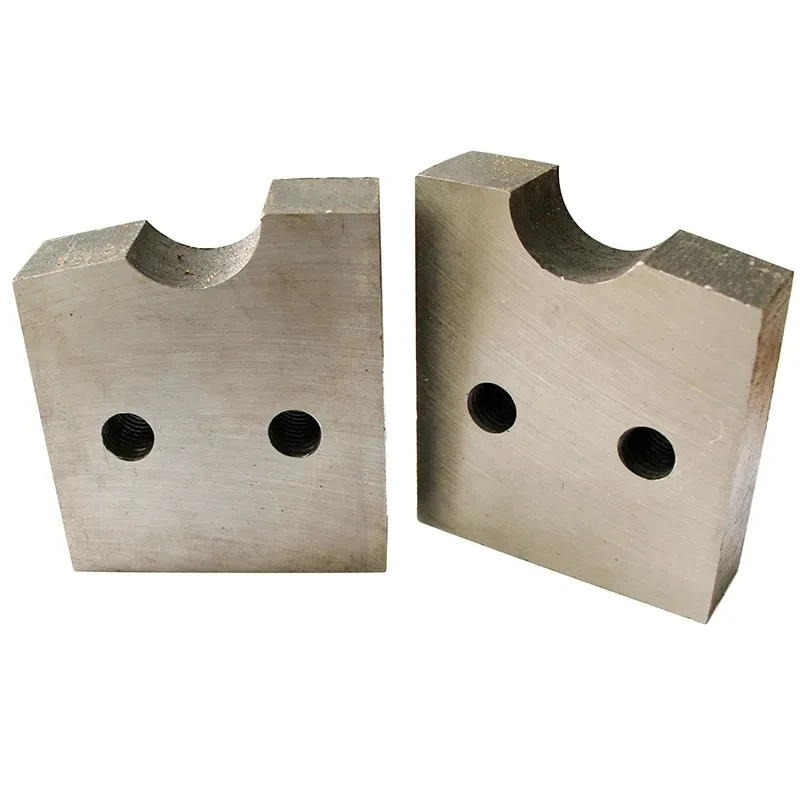
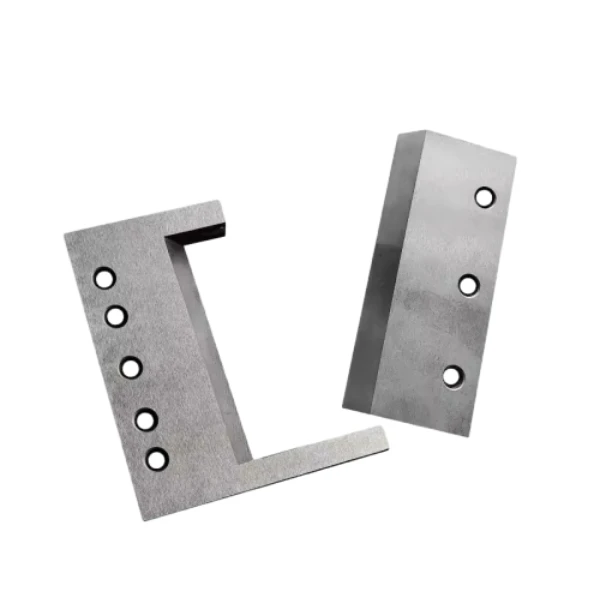
Environmental regulations in the EU have forced Italian plants to shift toward materials that reduce friction and waste. This has led to a surge in the adoption of advanced tungsten carbide and coated alloys for shear slitting knives, ensuring longer tool life and reduced downtime in high-output facilities.
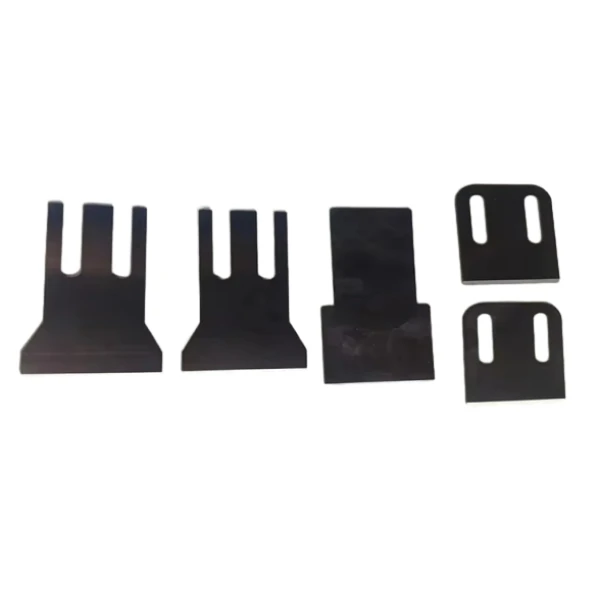
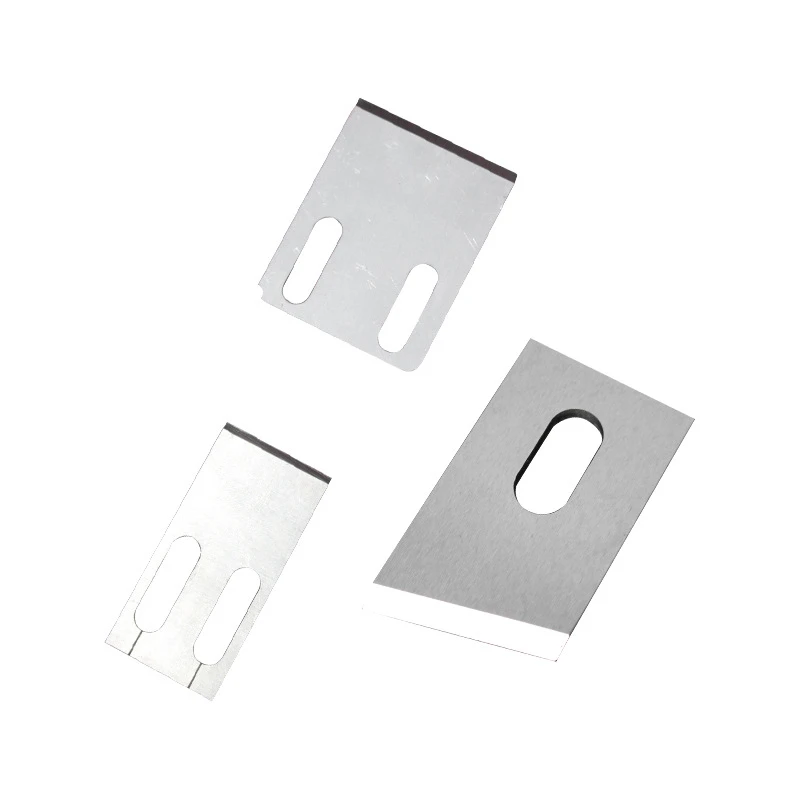
Furthermore, the Italian food processing industry—a global leader—requires extreme hygiene and precision. The use of specialized tomato slicer blades has evolved to meet strict HACCP standards, combining corrosion resistance with the ability to maintain a razor-sharp edge through thousands of cycles.