
See us at E-Waste World Expo 2026 ( Booth D136 ) June 17-18th , Messe Frankfurt, Germany

Precision Rotary Slitter Knives Solutions for Kyrgyzstan

High-performance industrial cutting components engineered for the evolving manufacturing landscape of Central Asia.

Precision Rotary Slitter Knives Solutions for Kyrgyzstan

Providing the Kyrgyz manufacturing sector with ultra-durable rotary slitter knives and precision cutting tools to optimize production efficiency and reduce downtime.

Current State of Metal Component Manufacturing in Kyrgyzstan

Analyzing the industrial demands of the Kyrgyz Republic's precision cutting sector.

Kyrgyzstan's manufacturing sector is currently transitioning from basic processing to high-precision engineering. Due to the region's extreme continental climate, metal components like slitting machine blades are subject to significant thermal expansion and contraction, demanding materials with superior dimensional stability.

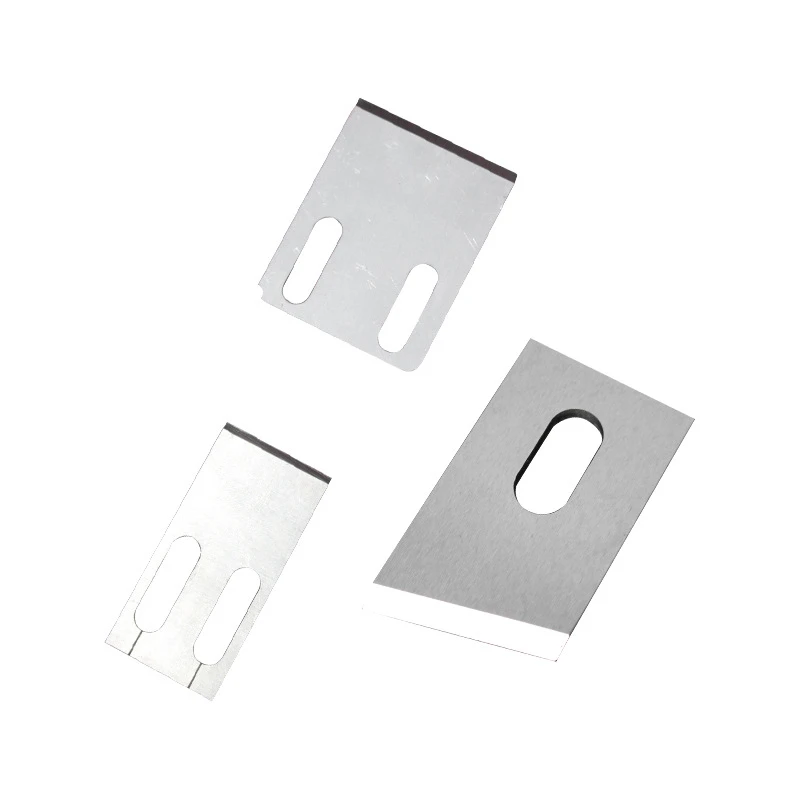
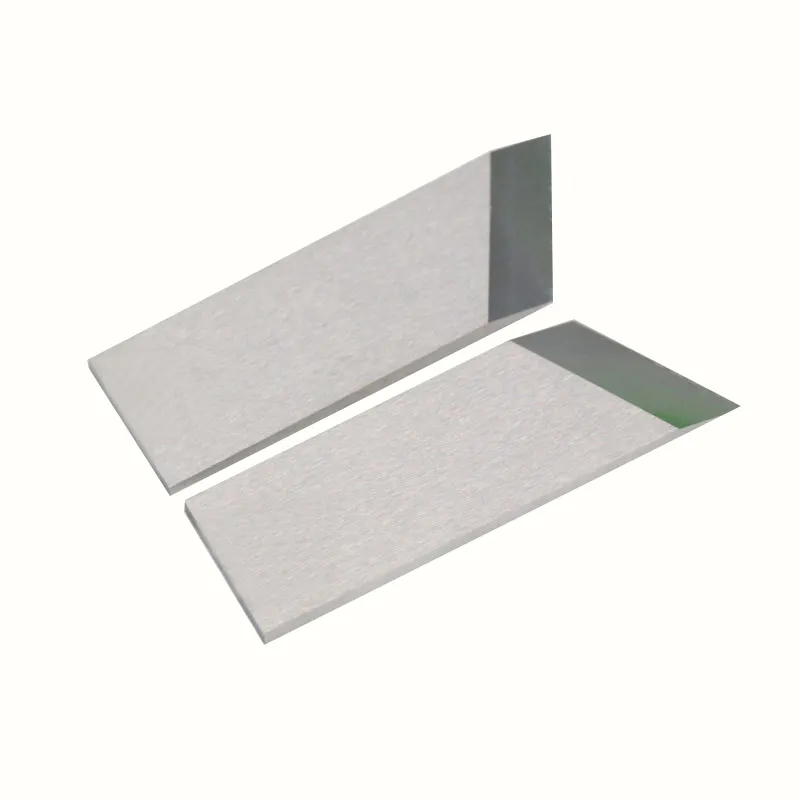
The local market heavily relies on imported precision tools for its packaging and textile industries. There is a growing demand for specialized straight cutting blade options that can withstand the high-volume throughput required by newly established industrial zones in Bishkek and Osh.

Currently, the adoption of high-tungsten carbide and cobalt-alloyed steels is increasing. Manufacturers are moving away from generic tools toward specialized shear slitting knives to handle the tougher raw materials being processed in the regional metal-working hubs.
Technical Evolution and Development Trajectory

From manual shears to automated precision slitting systems.

Market Development History

In the early 2000s, the Kyrgyz industry relied primarily on low-grade carbon steel tools, which required frequent sharpening and led to high material waste. The focus was on basic functionality rather than precision.

Between 2010 and 2020, the introduction of CNC machinery sparked a shift. The demand for rotary slitter knives grew as local factories upgraded to automatic slitting lines to serve the expanding regional logistics and packaging markets.

From 2021 to the present, the focus has shifted toward "Smart Cutting." Integration of wear-resistant coatings (TiN/TiAlN) has become standard, significantly extending the lifecycle of tools used in harsh industrial environments.

Future Development Trends

Cryogenic Treatment Integration

The next 3 years will see a surge in cryogenically treated blades to enhance edge retention and toughness, specifically for heavy-duty industrial applications.

Customized Alloy Formulations

Moving toward material science tailored for specific Kyrgyz industrial needs, such as acid-resistant coatings for food processing tomato slicer blades.

IoT-Driven Wear Monitoring

Implementation of sensor-based monitoring to predict blade failure, reducing unplanned downtime in continuous production lines.

Industry Trends and Future Outlook

Strategic foresight for the precision cutting tool market in Central Asia.

Material Hardening
Increased adoption of powder metallurgy to create blades with extreme hardness and wear resistance.
Precision Automation
Shift towards fully automated blade replacement systems to minimize human error and operational downtime.
Eco-Friendly Coatings
Implementation of non-toxic, biocompatible coatings for food-grade applications in agriculture.
Regional Specialization
Custom tool geometry designed specifically for the raw materials common in Central Asian mining and textiles.

Industry Outlook

Based on Google search trends for "industrial precision tools" in the region, we anticipate a 15% annual increase in demand for high-grade tungsten carbide components. The shift toward diversified manufacturing in Kyrgyzstan will drive the need for versatile toolsets.

The convergence of metallurgy and digital manufacturing will likely lead to "just-in-time" tool delivery models, where blade wear is tracked remotely and replacements are shipped before failure occurs.

Localized Application Scenarios in Kyrgyzstan

Real-world deployment of precision cutting tools in regional industries.

01. Agricultural Processing Hubs

Utilizing specialized tomato slicer blades in food canning facilities to ensure clean cuts and minimize product bruising during the harvest peak.

02. Textile and Apparel Manufacturing

Deployment of straight cutting blade systems in the garment industry of Bishkek for high-precision fabric slitting.

03. Metal Foil and Sheet Production

Integrating rotary slitter knives in local metallurgy plants to process aluminum and copper foils for electrical components.

04. Packaging Material Conversion

Using slitting machine blades to convert large rolls of plastic film into smaller, retail-ready packaging widths.

05. Industrial Heavy-Duty Shearing

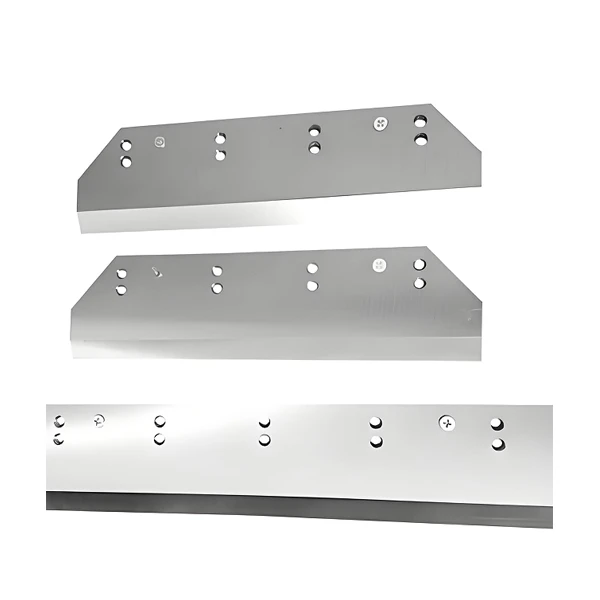
Application of shear slitting knives for cutting reinforced polymers and heavy-duty rubber gaskets used in mining machinery.

Brand Story

Global Development Journey of Hebei Shunou Technology Co., Ltd.

Foundational Precision

Established with a mission to eliminate industrial waste through extreme cutting precision, focusing on high-carbon steel metallurgy.

Technological Breakthrough

Mastered the art of vacuum heat treatment and cryogenic processing to double the lifespan of industrial cutting edges.

Global Expansion

Expanded operations into Central Asia and Europe, tailoring tool geometries to meet diverse regional manufacturing standards.

Industry Leadership

Recognized as a leading provider of customized sealing and cutting components for the general equipment manufacturing sector.

Future Innovation

Investing in AI-driven design to create the next generation of self-sharpening industrial blades.

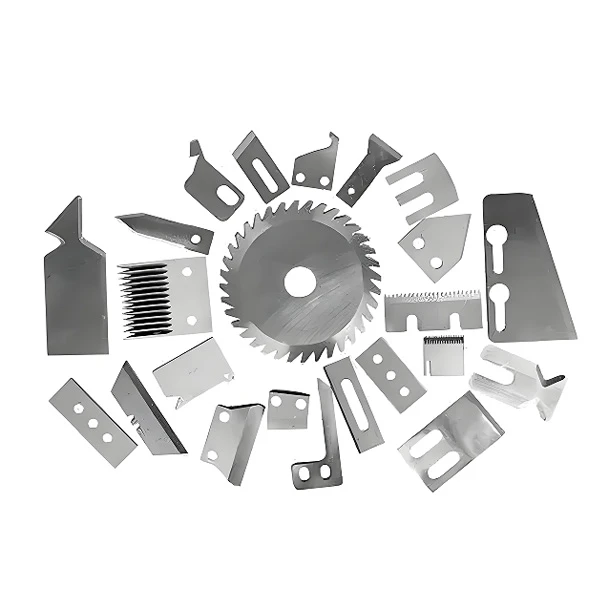
Comprehensive Precision Cutting Portfolio for Kyrgyzstan

A full range of high-performance blades designed for the specific operational challenges of the Kyrgyz industrial sector.

Frequently Asked Questions in Kyrgyzstan

Expert answers to common technical queries from local manufacturers.

How to choose the right slitting machine blades for high-carbon steel in Kyrgyzstan?

For high-carbon steel, we recommend tungsten carbide blades with a specific cobalt binder percentage to balance hardness and toughness, ensuring resistance to chipping in Kyrgyz industrial environments.

What is the expected lifespan of rotary slitter knives in high-humidity packaging plants?

With our TiAlN coating, the lifespan is extended by 3-5 times compared to uncoated steel, effectively resisting corrosion and edge wear even in humid conditions.

Can tomato slicer blades be customized for specific vegetable varieties grown in the Fergana Valley?

Yes, we customize the blade pitch and edge geometry (serrated vs. straight) to match the specific firmness and size of local produce to ensure a perfect cut.

How does a straight cutting blade differ from a shear blade in terms of maintenance?

Straight cutting blades usually require more frequent honing for precision work, whereas shear blades are designed for bulk volume and require periodic regrinding of the entire bevel.

What are the shipping lead times for shear slitting knives to Bishkek?

We optimize our logistics routes to Central Asia, typically delivering custom-engineered knives within 14-21 business days depending on the complexity of the specification.

Do you provide technical support for installing rotary slitter knives?

We provide comprehensive digital installation guides and remote technical consultations to ensure perfect alignment and optimal cutting pressure for all our clients.

Get a Professional Cutting Consultation

Ready to optimize your production line in Kyrgyzstan? Our engineering team is available to help you select the perfect precision components for your facility.

Contact Us Now

If you are interested in our products, you can choose to leave your information here, and we will be in touch with you shortly.