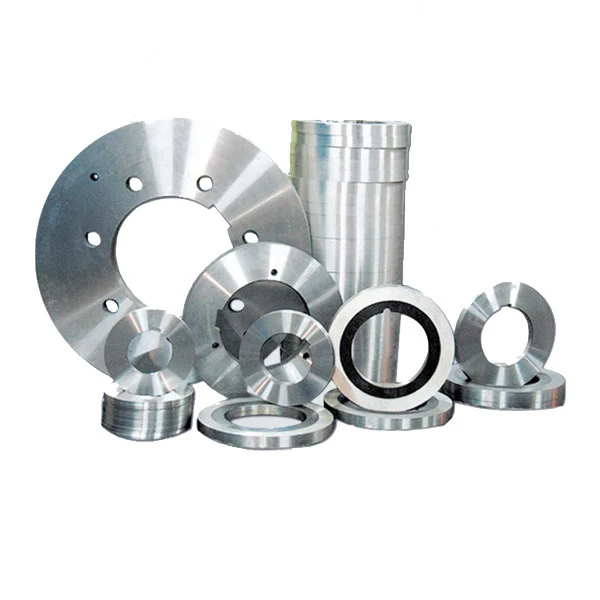
In the Democratic Republic of the Congo, the manufacturing sector is currently navigating a transition from basic assembly to more complex component fabrication. The high humidity levels and dust-heavy environments common in the Congo Basin accelerate the oxidation and wear of slitting machine blades, requiring materials with superior corrosion resistance.
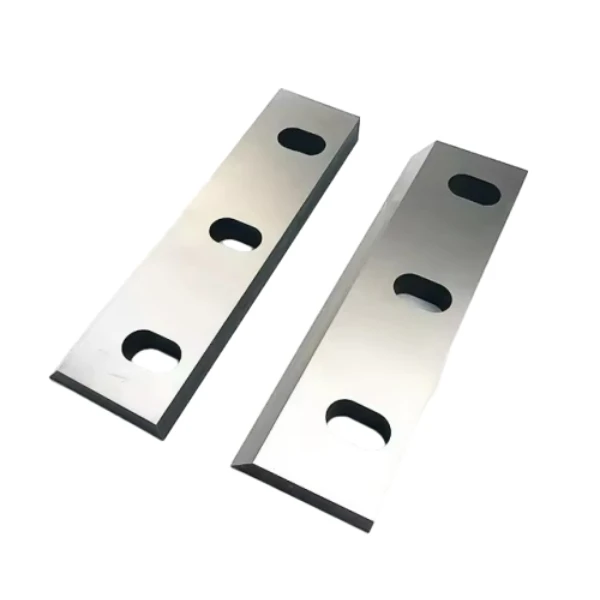
Currently, many local factories rely on general-purpose tools that lack the precision required for high-speed operations. This leads to increased material waste and downtime, especially in the growing packaging and mineral processing industries where straight cutting blade precision is critical for downstream quality.
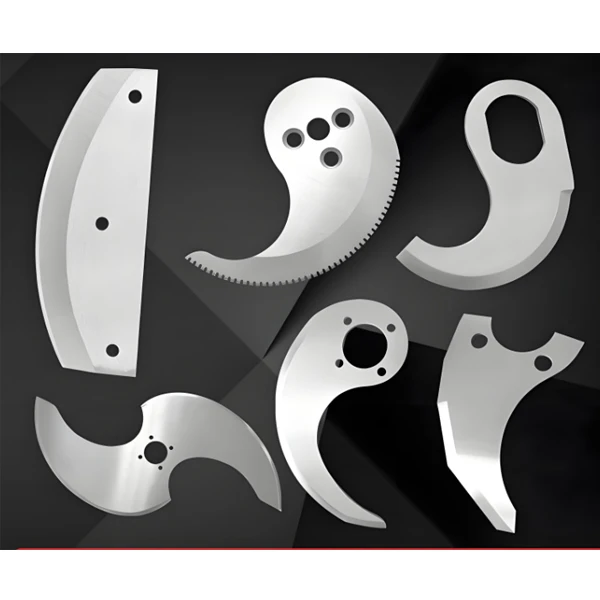
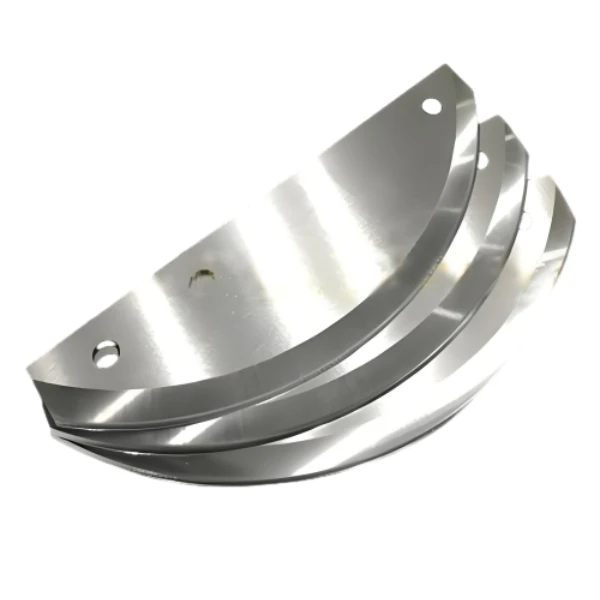
The economic push toward domestic production of consumer goods has spiked the demand for specialized food-grade cutting tools. Local producers are now seeking more durable tomato slicer blades to replace manual processing with automated systems, aiming to reduce post-harvest losses in the agricultural value chain.