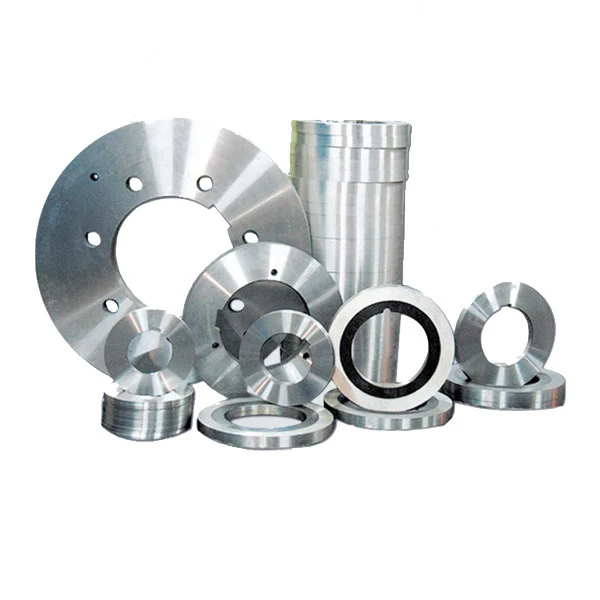
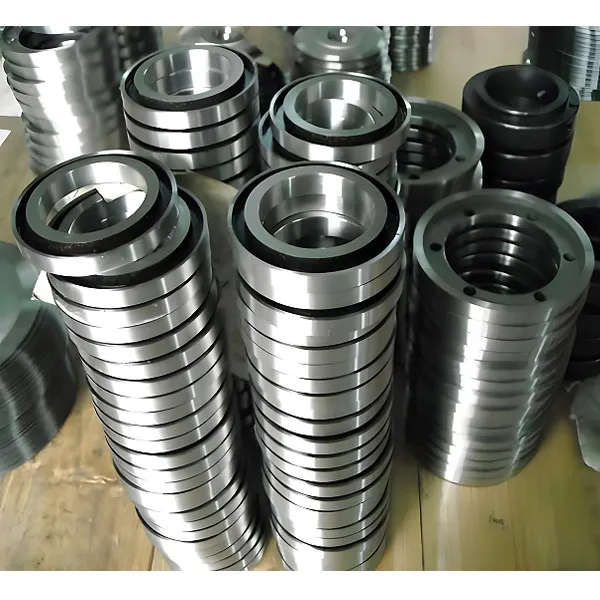
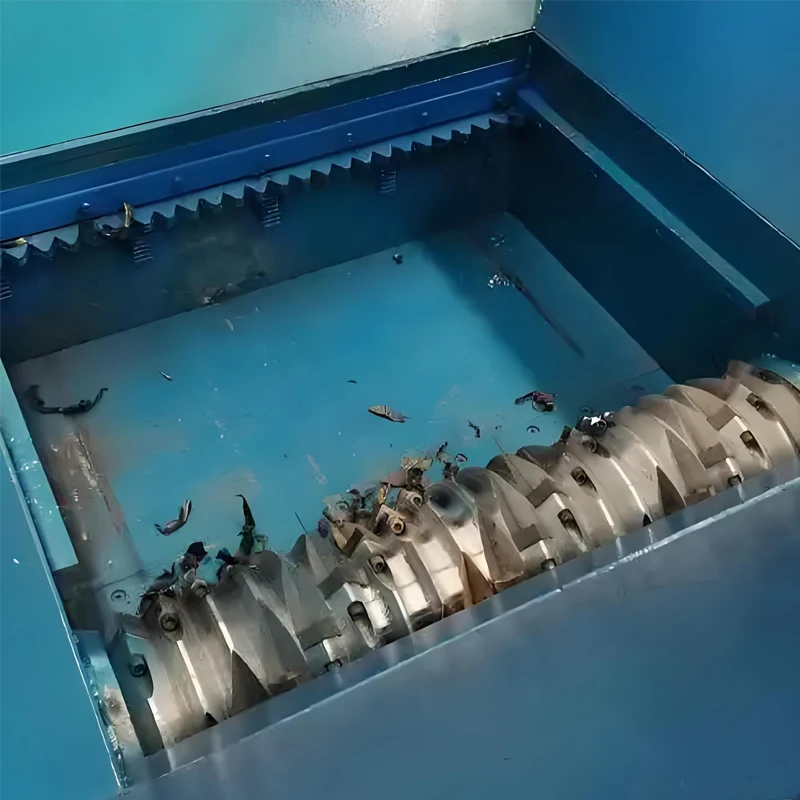

Angola's manufacturing sector, particularly in Luanda and Benguela, faces unique challenges due to high humidity and saline coastal air, which accelerate the corrosion of standard slitting machine blades. The local reliance on imported raw materials means that downtime caused by tool failure is costly, necessitating blades with higher wear resistance.
In the food processing sector, specifically vegetable canning, there is an increasing demand for specialized tomato slicer blades that can maintain a clean cut under high-volume output. The shift toward local value-addition in agriculture is driving the need for more durable, medical-grade stainless steel components.
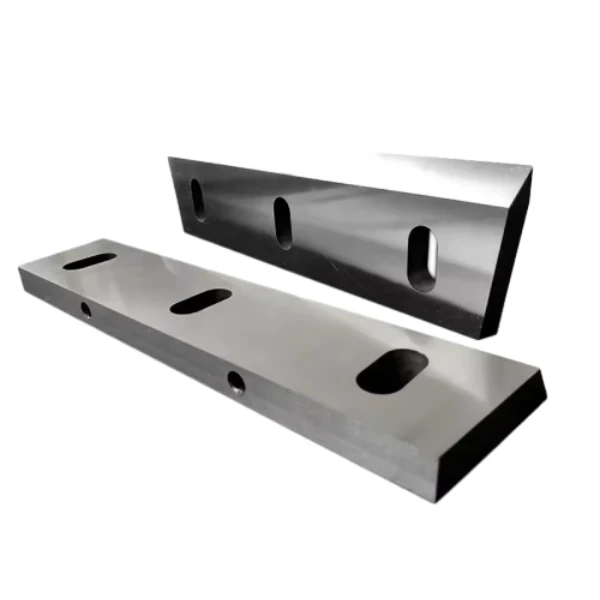
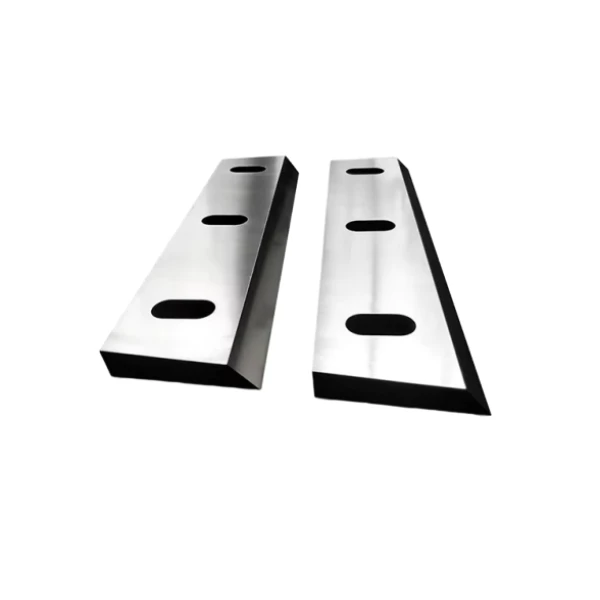
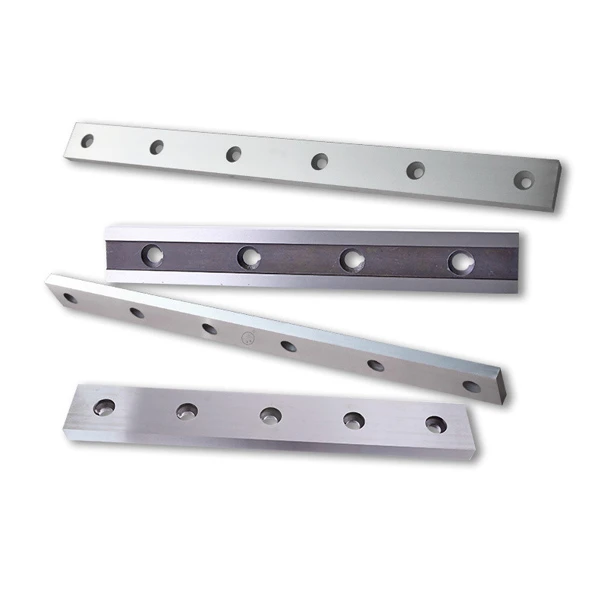
Furthermore, the metal fabrication shops supporting the oil and gas infrastructure require heavy-duty shear slitting knives capable of handling high-tensile alloys. The current market is transitioning from basic carbon steel tools to advanced Tungsten Carbide and HSS alternatives to reduce frequency of replacement.