
See us at E-Waste World Expo 2026 ( Booth D136 ) June 17-18th , Messe Frankfurt, Germany

High-Performance rotary slitter knives Solutions for Zambia's Industrial Growth

Precision-engineered cutting tools designed to withstand the rigorous manufacturing demands of the Zambian metallurgical and packaging sectors.

High-Performance rotary slitter knives Solutions for Zambia's Industrial Growth

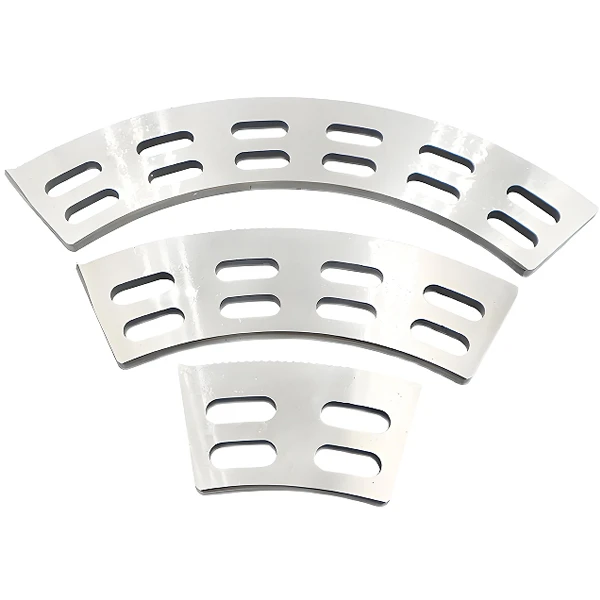
We provide top-tier precision cutting components including slitting machine blades and specialized industrial knives to optimize production efficiency in Zambia.

Industrial Cutting Tool Landscape in Zambia

Analyzing the operational challenges of metal sealing and component manufacturing in the Copperbelt and Lusaka regions.

In Zambia, the manufacturing sector is heavily influenced by the mining industry. The demand for high-durability shear slitting knives is driven by the need for precise metal processing in mining equipment maintenance and local component fabrication.

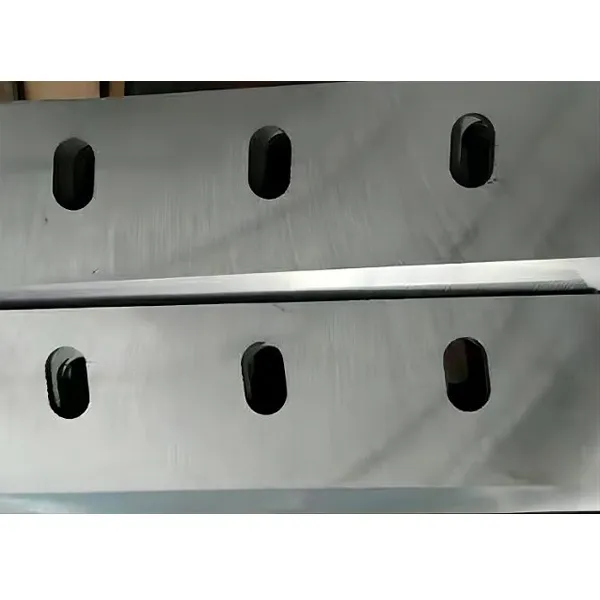
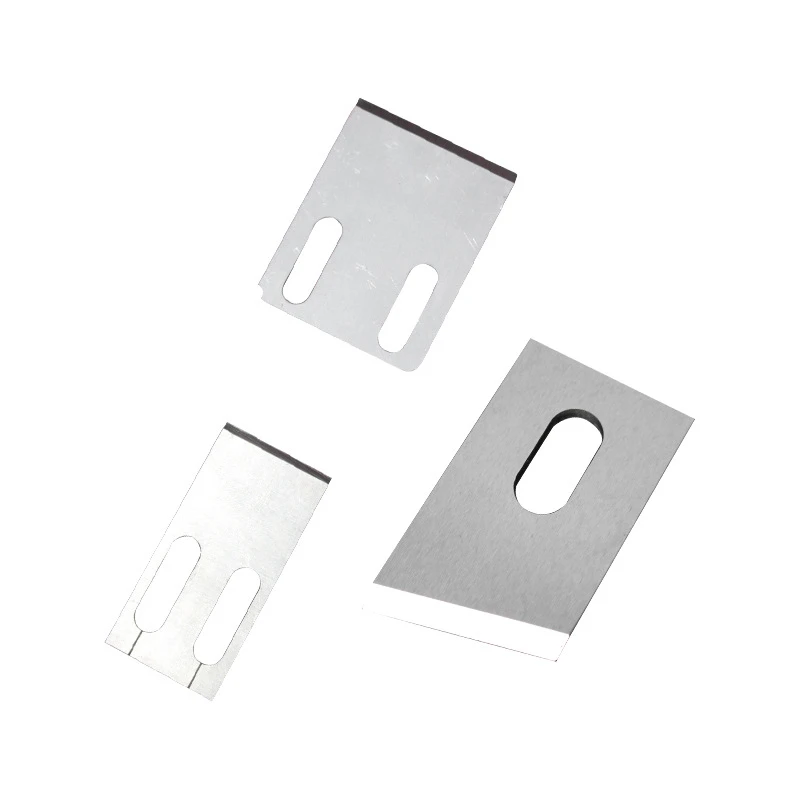
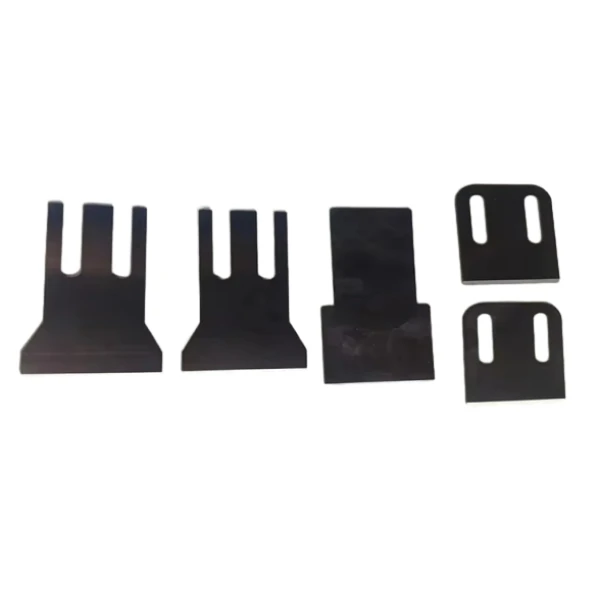
Environmental factors, such as high humidity in certain regions and dust accumulation from mining operations, accelerate the wear and tear of precision edges. This makes the selection of high-grade tungsten carbide or alloy steel for straight cutting blade applications critical for reducing downtime.

Current local operations often struggle with the balance between import lead times and tool longevity. There is a growing shift toward utilizing high-precision tomato slicer blades in the expanding Zambian agri-processing sector to meet international export standards.
Evolution of Precision Cutting Technology in Zambia

From traditional manual shearing to automated high-speed rotary slitting systems.

Market Development History

Between 1990 and 2005, Zambia's general equipment manufacturing relied primarily on basic carbon steel tools. Cutting processes were mostly manual, and tool replacement was frequent due to rapid edge degradation.

From 2006 to 2015, the introduction of imported CNC machinery led to the adoption of slitting machine blades with advanced coatings. This era marked a transition toward higher precision and the start of industrial-scale metal sealing component production.

Since 2016, the focus has shifted toward "Total Cost of Ownership," where Zambian firms now prioritize high-hardness rotary knives that offer longer service lives, reducing the frequency of machinery calibration.

Future Development Trends

Adaptive Coating Technologies

Integration of Nano-coatings to combat the corrosive atmospheric conditions prevalent in Zambian industrial zones, extending the life of cutting edges.

Automation in Agri-Processing

Increased demand for specialized tomato slicer blades as Zambia scales its food processing exports to the SADC region.

Precision Micrometer Standards

A move toward zero-tolerance cutting profiles for high-end metal seals, requiring more sophisticated rotary slitter knives.

Industry Outlook and Strategic Forecast

Predicting the trajectory of the general component manufacturing sector in Zambia for the next 3-5 years.

Material Hardening
Shift toward Powder Metallurgy (PM) steels to handle the abrasive minerals found in Zambian industrial raw materials.
Eco-Friendly Cutting
Implementation of energy-efficient slitting processes to align with Zambia's green energy initiatives.
IoT Monitoring
Adoption of wear-sensing technology to predict the replacement cycle of straight cutting blade units.
SADC Integration
Standardization of tool dimensions to facilitate cross-border equipment parts exchange within Southern Africa.

Industry Outlook

Based on Google search trends for industrial consumables in Africa, we anticipate a significant rise in demand for high-precision, long-life cutting tools in Zambia. The local focus is shifting from "cheapest price" to "cost per cut," favoring advanced metallurgical solutions.

The synergy between the mining sector and the general equipment manufacturing industry will likely drive the adoption of customized shear slitting knives, as local factories strive to produce components that meet global ISO standards.

Localized Application Scenarios in Zambia

Practical implementations of our cutting solutions across diverse Zambian industries.

1. Copper Mining Component Fabrication

Utilizing heavy-duty shear slitting knives for the precision cutting of reinforced metal gaskets and seals used in copper leaching plants.

2. Packaging for Agro-Exports

Implementation of slitting machine blades in Lusaka-based packaging plants to produce high-quality foil and plastic wraps for fruit exports.

3. Food Processing Automation

Deployment of stainless steel tomato slicer blades in regional vegetable processing hubs to increase throughput and ensure uniform cuts.

4. Automotive Part Manufacturing

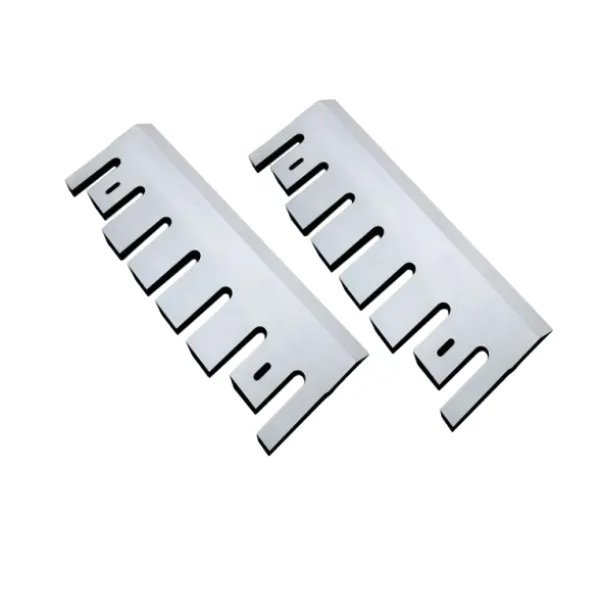
Using precision straight cutting blade systems for trimming automotive seals and rubber components in local assembly workshops.

5. Steel Coil Processing Centers

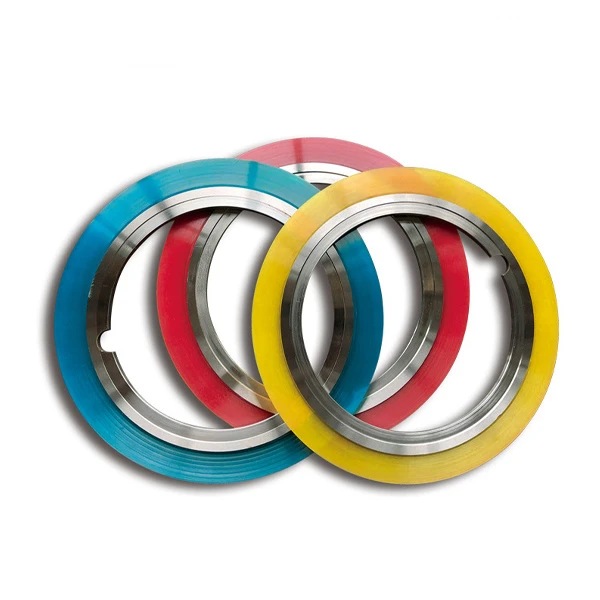
Integration of rotary slitter knives for processing wide steel coils into narrow strips for the Zambian construction industry.

Brand Story

Global Development History of Hebei Shunou Technology Co., Ltd.

Foundation and Specialization

Established with a mission to solve the critical pain point of rapid tool wear in the general equipment manufacturing sector, focusing on high-carbon steel metallurgy.

Technological Breakthroughs

Developed proprietary heat-treatment processes that significantly increased the edge retention of industrial knives, reducing client downtime by 30%.

Global Market Expansion

Expanded operations to Africa, specifically targeting emerging industrial hubs like Zambia, providing localized technical support and customized tool designs.

Certification and Quality

Achieved international quality certifications, ensuring that every blade produced meets the rigorous standards of the global metal sealing industry.

Future Vision

Committed to driving the "Industry 4.0" transition in Zambia through the supply of smart-compatible precision cutting components.

Complete Cutting Component Portfolio for Zambia

A comprehensive range of blades and knives tailored for the Zambian industrial environment.

Common Industrial Cutting Questions in Zambia

Technical guidance and FAQs for local manufacturers and procurement officers.

How to extend the life of slitting machine blades in dusty mining environments?

We recommend using PVD-coated tungsten carbide blades and implementing a regular compressed-air cleaning cycle to prevent abrasive particles from damaging the cutting edge.

What is the best material for rotary slitter knives used in heavy-gauge steel?

For heavy-gauge steel in Zambia's fabrication shops, we suggest D2 tool steel or Powder Metallurgy steels for superior toughness and wear resistance.

Can tomato slicer blades be customized for specific regional produce sizes?

Yes, we offer custom thickness and pitch configurations for our slicer blades to ensure optimal cutting performance for Zambian agricultural varieties.

How often should a straight cutting blade be sharpened in a high-volume plant?

Depending on the material, we recommend monitoring the burr quality; however, most high-volume Zambian plants find a bi-weekly sharpening schedule optimal.

What causes premature failure in shear slitting knives?

Common causes include improper blade alignment, overheating due to lack of lubrication, and the use of blades with insufficient hardness for the specific metal grade.

Do you provide technical support for blade installation in Zambia?

We provide detailed installation guides and remote technical consulting to ensure your rotary and straight blades are perfectly aligned for maximum efficiency.

Ready to Optimize Your Production?

Contact our engineering team today for customized precision cutting solutions tailored specifically for the industrial landscape of Zambia.

Contact Us Now

If you are interested in our products, you can choose to leave your information here, and we will be in touch with you shortly.