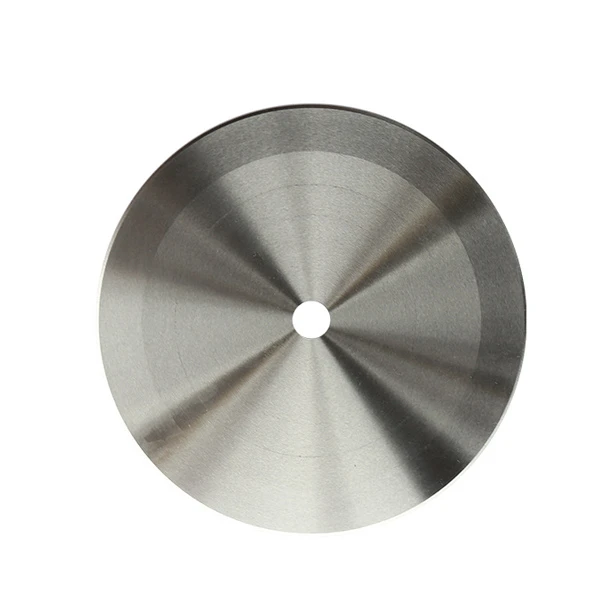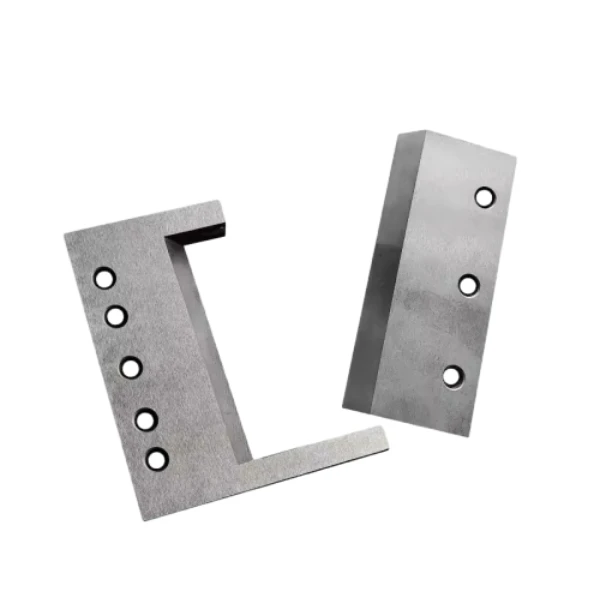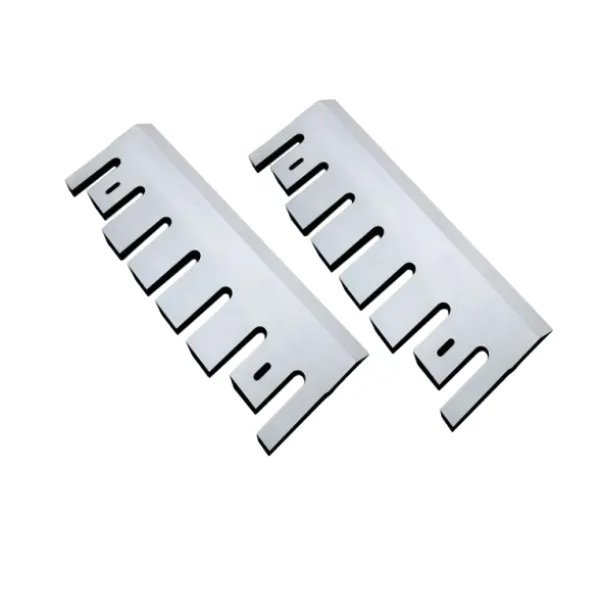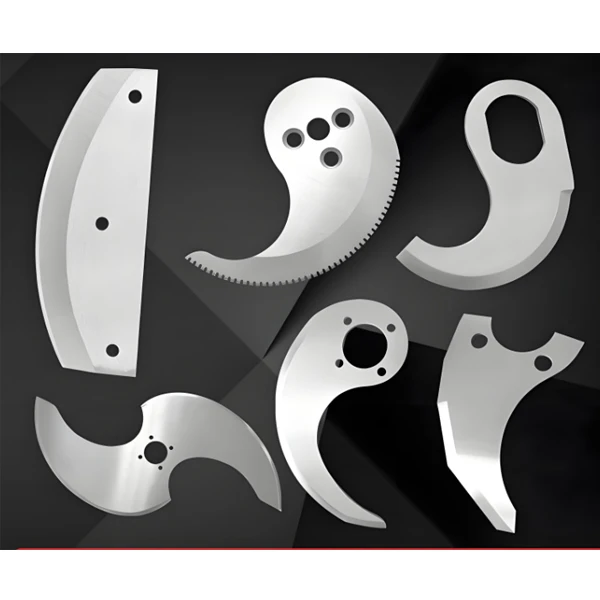
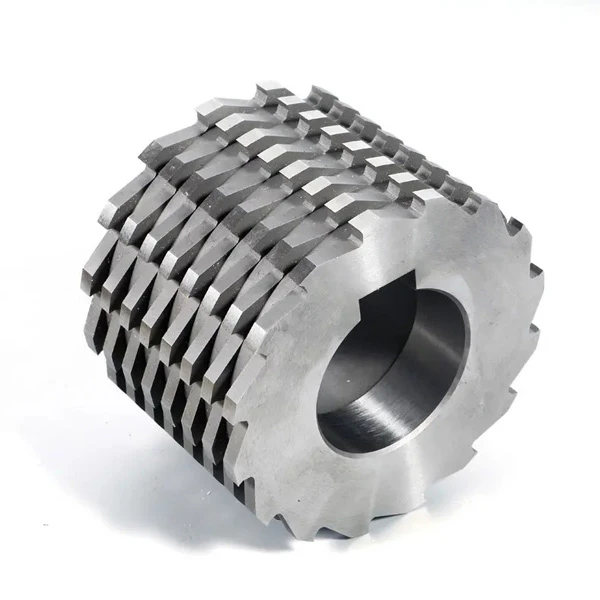
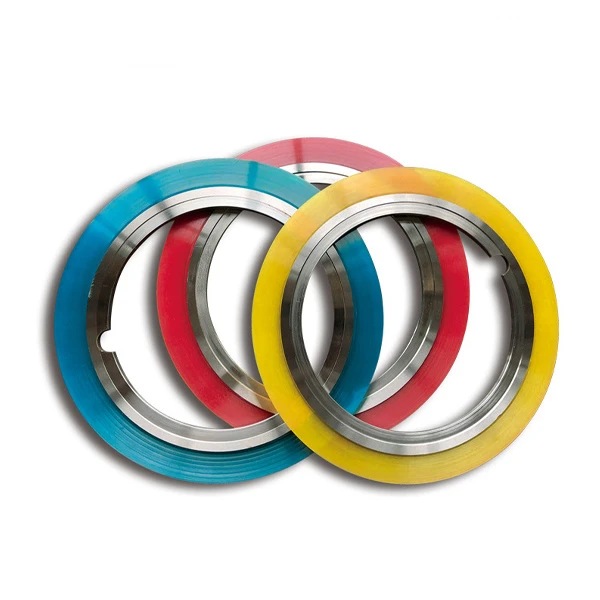
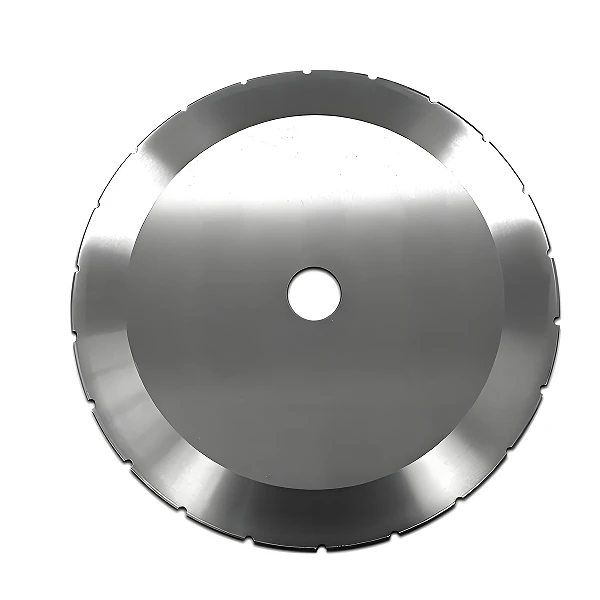
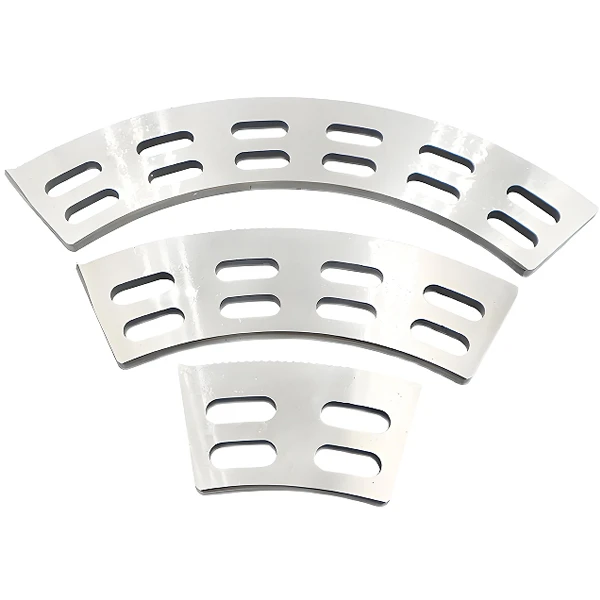
In the Central African Republic, the manufacturing of general equipment and metal seals is heavily influenced by the region's humid tropical climate and fluctuating energy stability. Local workshops often struggle with premature tool wear due to oxidation and the lack of specialized heat treatment facilities, making the import of high-grade shear slitting knives a critical necessity for maintaining precision.
The food processing sector, particularly in urban centers like Bangui, is transitioning from manual slicing to semi-automated lines. This shift has increased the demand for specialized tomato slicer blades that can withstand acidic environments while maintaining a clean edge to reduce product waste during agricultural processing.
Logistical constraints in the landlocked CAR market often lead to extended downtime when cutting components fail. Consequently, there is a growing preference for "over-engineered" straight cutting blade options that offer longer service intervals and higher resistance to the abrasive particulates common in local industrial environments.