See us at E-Waste World Expo 2026 ( Booth D136 ) June 17-18th , Messe Frankfurt, Germany

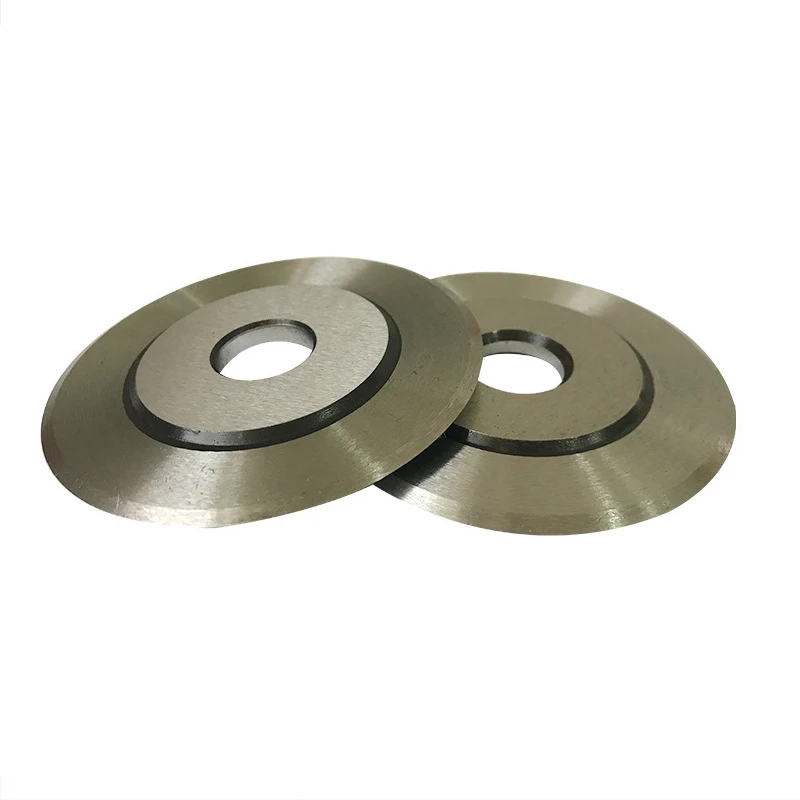
High-Precision rotary slitter knives Solutions for Equatorial Guinea

Engineering superior cutting performance for the industrialization of Equatorial Guinea through advanced metal sealing and precision blade components.

High-Precision rotary slitter knives Solutions for Equatorial Guinea

We provide a comprehensive range of industrial cutting tools tailored for the specific manufacturing demands of Equatorial Guinea, ensuring durability and precision in every cut.

Industrial Cutting Landscape in Equatorial Guinea

Analyzing the challenges of tool wear in humid tropical environments.

Equatorial Guinea's manufacturing sector is characterized by a growing need for infrastructure and food processing tools. However, the high humidity and saline air of the coastal regions often accelerate the corrosion of standard slitting machine blades, leading to frequent downtime in local production lines.

Currently, many local workshops rely on general-purpose tools that lack the specialized heat treatment required for high-volume industrial output. This creates a gap where precision components like shear slitting knives are desperately needed to reduce material waste in the metalworking and packaging sectors.

The economic shift toward diversifying beyond petroleum has sparked a demand for localized processing of agricultural goods, necessitating the introduction of specialized tomato slicer blades that can withstand continuous operation in humid processing plants.

Evolution of Cutting Technology in Central Africa

From manual shearing to automated high-speed rotary precision.

Market Development History

In the early 2000s, the industry in Equatorial Guinea primarily utilized manual shearing methods and basic carbon steel tools, which required constant sharpening and offered low consistency.

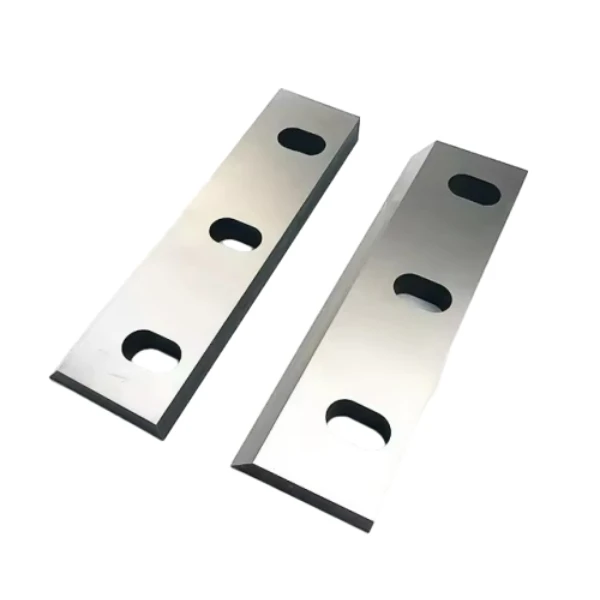
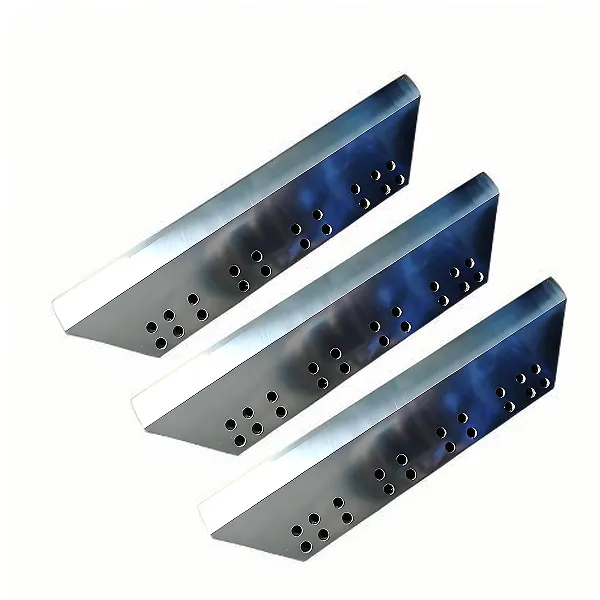
Between 2010 and 2020, there was a transition toward semi-automated machinery. The introduction of the straight cutting blade allowed for more linear accuracy in the burgeoning construction material sector.

Today, the market is entering a phase of full automation, where high-tungsten carbide materials are replacing traditional steel to meet the rigorous standards of international export quality.

Future Development Trends

Smart Wear Monitoring

Integration of sensors into blade holders to predict the exact moment of dullness, reducing unplanned stoppages in Malabo's industrial zones.

Advanced Coating Tech

Adoption of DLC (Diamond-Like Carbon) coatings to combat the extreme humidity of the region, extending the lifespan of blades by 300%.

Sustainable Metallurgy

A shift toward recyclable high-performance alloys to align with new environmental regulations emerging in the Gulf of Guinea.

Strategic Trends & Future Outlook

Pioneering the next generation of industrial cutting efficiency.

Precision Automation
Moving toward CNC-integrated blade systems that eliminate human error in setup.
Corrosion Resistance
Implementation of specialized marine-grade alloys for coastal factories.
Material Optimization
Reducing kerf loss through ultra-thin high-strength blade geometries.
Localized Support
Developing rapid-response logistics for critical component replacement.

Industry Outlook

Based on regional industrial trends, the demand for precision cutting tools in Equatorial Guinea is expected to grow as the nation invests in "Plan Nacional de Desarrollo". The move toward high-value manufacturing will drive the adoption of specialized alloy blades.

We anticipate a surge in the food processing sector, where the efficiency of tomato slicer blades will become a key competitive advantage for local producers aiming for international quality standards.

Localized Application Scenarios in Equatorial Guinea

Real-world deployment of precision blades across key regional sectors.

01. Agricultural Processing Hubs

Deployment of high-grade tomato slicer blades in local canning plants to ensure uniform slices and reduce fruit waste during peak harvest seasons.

02. Metal Packaging Facilities

Utilization of slitting machine blades for processing aluminum and tin-plate coils for the local beverage packaging industry.

03. Industrial Sheet Metal Shops

Application of shear slitting knives for high-speed cutting of steel sheets used in urban infrastructure projects in Malabo.

04. Paper and Film Conversion

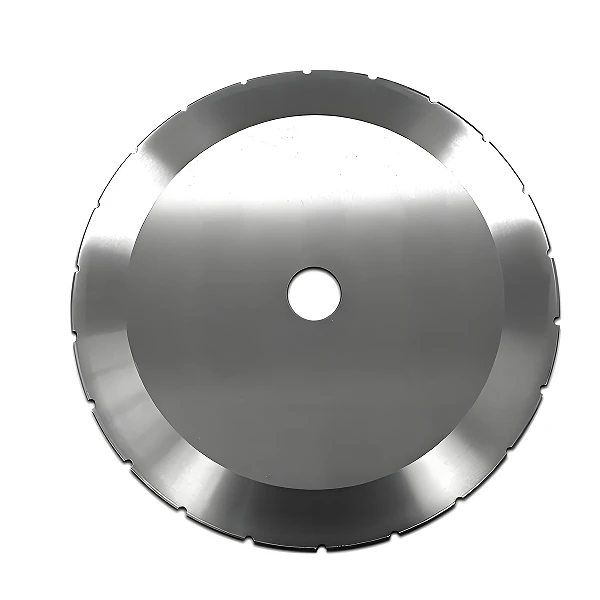
Implementing rotary slitter knives for precise width conversion of industrial plastic films used in agricultural greenhouses.

05. Custom Fabrication Workshops

Use of the straight cutting blade for heavy-duty trimming of seals and gaskets in the oil and gas equipment maintenance sector.

Brand Story

Global Development History of Hebei Shunou Technology Co., Ltd.

Foundational Precision

Established with a mission to solve the instability of industrial cutting, focusing on the core metallurgy of tungsten carbide.

Technological Breakthrough

Developed a proprietary heat treatment process that increased blade edge retention by 40% for high-friction applications.

Global Expansion

Extended operations to the African market, tailoring product specifications to survive tropical and coastal climates.

Quality Certification

Achieved ISO international standards, ensuring that every blade delivered to Equatorial Guinea meets global precision tolerances.

Vision for the Future

Committing to sustainable manufacturing and AI-driven blade design to lead the global industrial cutting industry.

Complete Cutting Component Portfolio for Equatorial Guinea

A full suite of high-performance blades engineered for maximum uptime in Central African industries.

Local Industry FAQ

Expert answers to common technical queries from our Equatorial Guinea partners.

How to prevent corrosion of slitting machine blades in Malabo's coastal humidity?

We recommend using our specialized chromium-coated alloy blades and applying an anti-corrosive industrial lubricant during downtime to prevent saline air oxidation.

What is the average lifespan of rotary slitter knives in high-volume packaging plants?

Depending on the material thickness and hardness, our carbide knives typically last 3-5 times longer than standard steel, significantly reducing replacement frequency.

Can tomato slicer blades be customized for local Equatorial Guinea fruit varieties?

Yes, we can adjust the blade pitch and edge geometry to match the specific density and water content of local produce for cleaner cuts.

How to choose between a straight cutting blade and a shear knife?

Use straight cutting blades for precision trimming and gaskets, while shear slitting knives are optimized for high-pressure vertical splitting of metal coils.

What are the shipping lead times for precision knives to Equatorial Guinea?

We utilize expedited air freight for critical components to ensure your production line in Equatorial Guinea experiences minimal downtime.

Do you provide technical guidance on blade installation and alignment?

Every order includes a technical installation guide, and our engineers are available for remote consultation to ensure perfect alignment of your rotary knives.

Optimize Your Production Today

Get professional consulting for your precision cutting needs in Equatorial Guinea. Our experts are ready to help you scale your manufacturing efficiency.

Contact Us Now

If you are interested in our products, you can choose to leave your information here, and we will be in touch with you shortly.