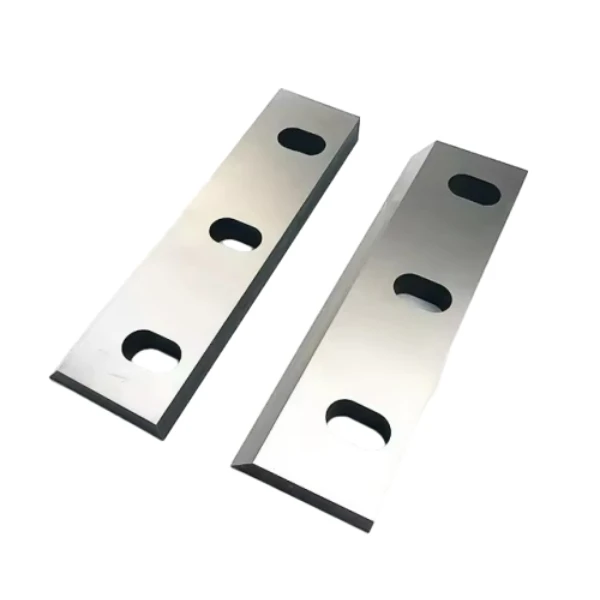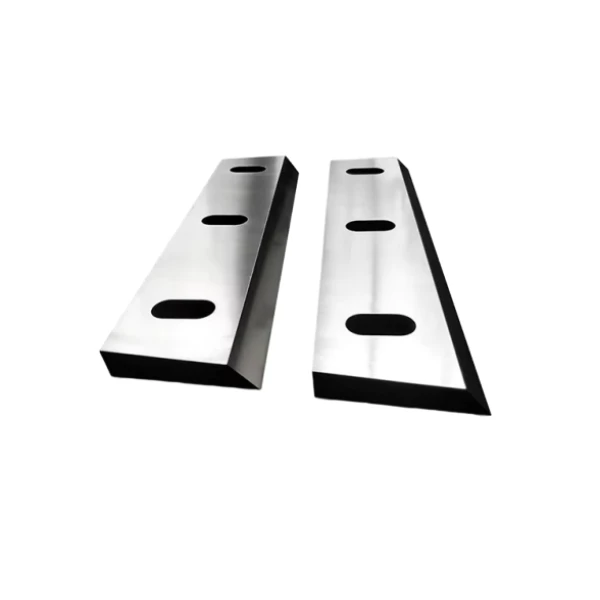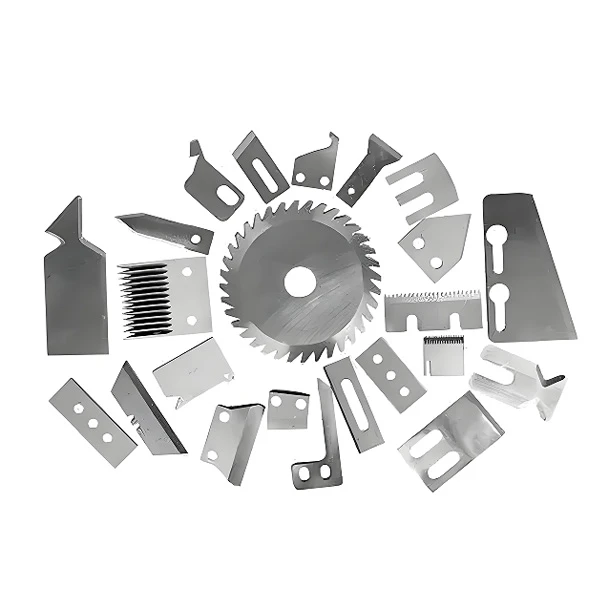
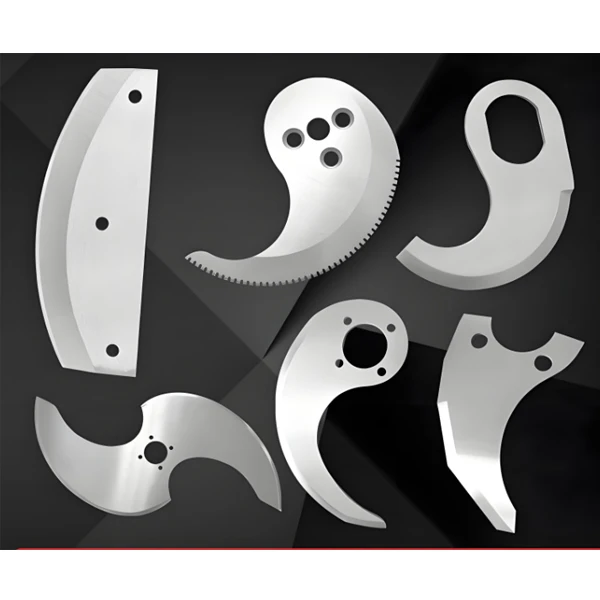
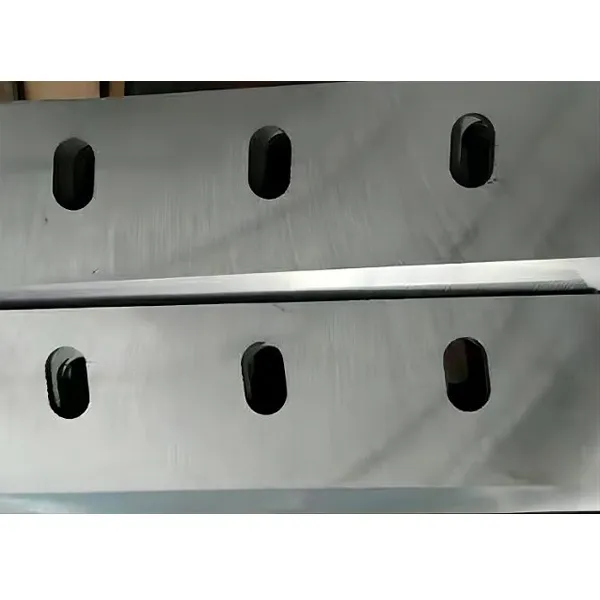
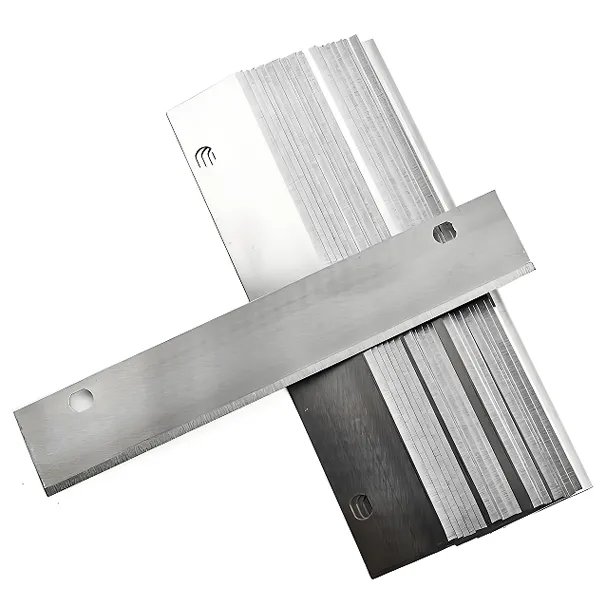
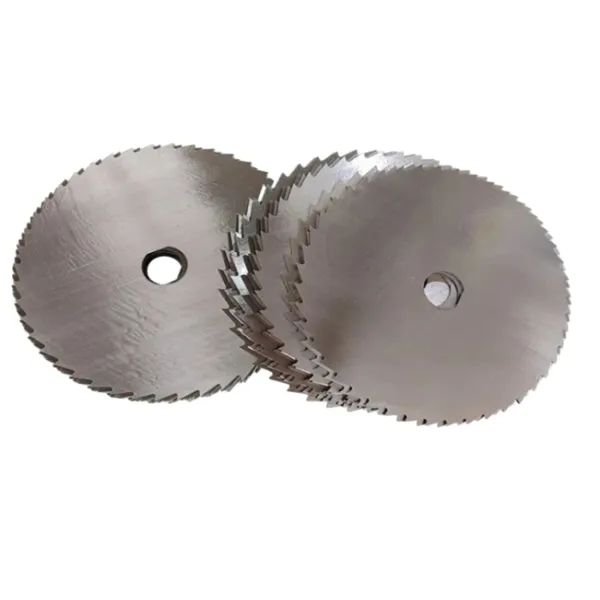
Germany's manufacturing sector is characterized by "Mittelstand" excellence, where the demand for slitting machine blades is driven by an obsession with precision and long-term stability. Given the temperate but humid climate in various regions, the prevention of oxidation on high-carbon steel tools is a critical operational priority.
The local industry focuses heavily on the automotive and aerospace sectors, requiring tools that can handle high-tensile strength alloys without deformation. The integration of shear slitting knives into automated lines is standard, as German factories prioritize reduced downtime and maximum efficiency per cycle.
Economically, the shift toward Industry 4.0 has forced a transition toward "smart" tooling. Modern German facilities no longer view blades as simple consumables but as critical data points in their quality control loops, demanding tighter tolerances and certified material compositions.