See us at E-Waste World Expo 2026 ( Booth D136 ) June 17-18th , Messe Frankfurt, Germany

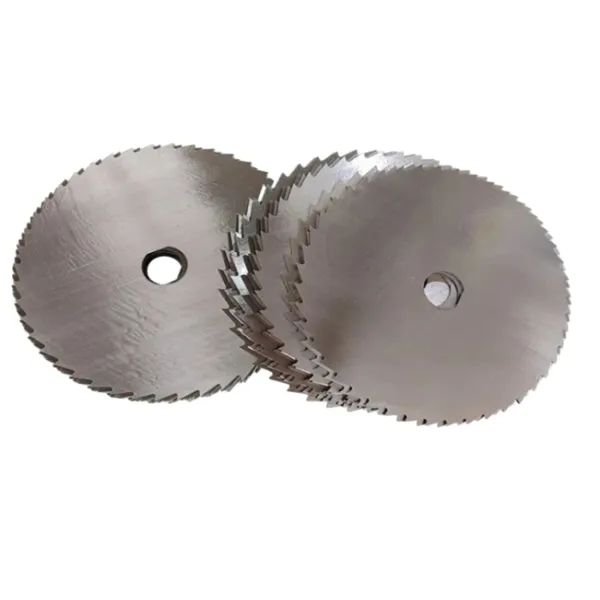
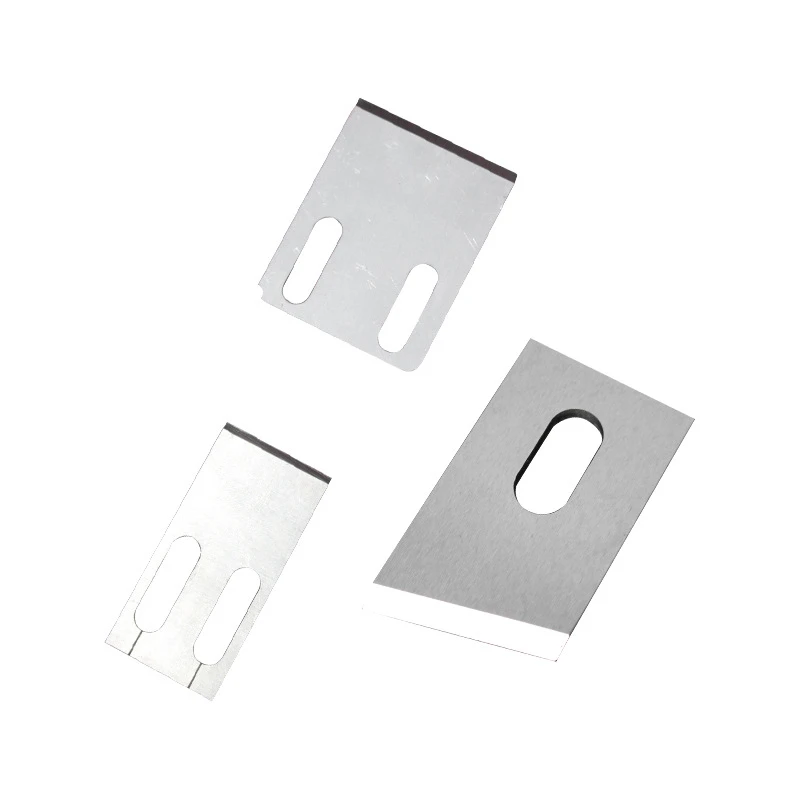
High-Precision rotary slitter knives Solutions for Kenya Manufacturing

Empowering Kenyan industrial growth with world-class metal sealing and precision cutting components tailored for the East African market.

High-Precision rotary slitter knives Solutions for Kenya Manufacturing

Optimizing production lines across Kenya with advanced metallurgical engineering and high-durability cutting tools designed for maximum uptime.

Industrial Cutting Landscape in Kenya

Analyzing the demand for precision blades in the heart of East Africa's manufacturing hub.

Kenya's manufacturing sector, particularly in Nairobi and Mombasa, faces unique challenges due to high humidity and fluctuating power grids. The demand for robust slitting machine blades has surged as the local packaging and textile industries scale up to meet regional trade demands under the AfCFTA framework.

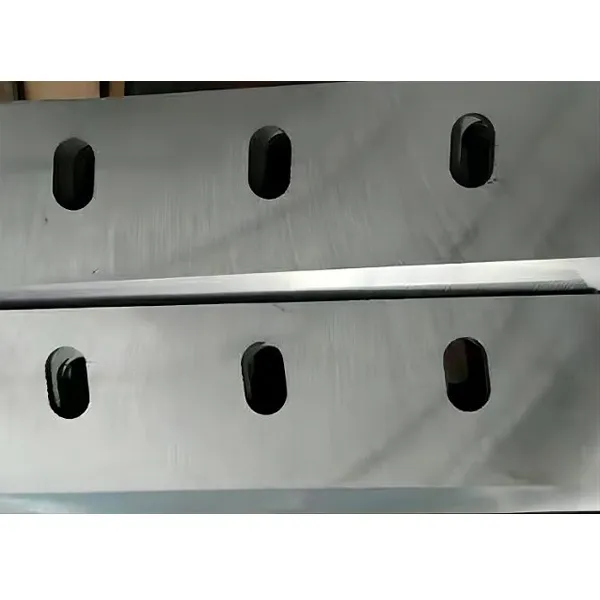
Currently, many Kenyan workshops rely on imported tools that often suffer from rapid wear due to the abrasive nature of local raw materials. This has created a critical need for high-carbon steel and tungsten carbide shear slitting knives that can withstand rigorous operation without frequent regrinding.

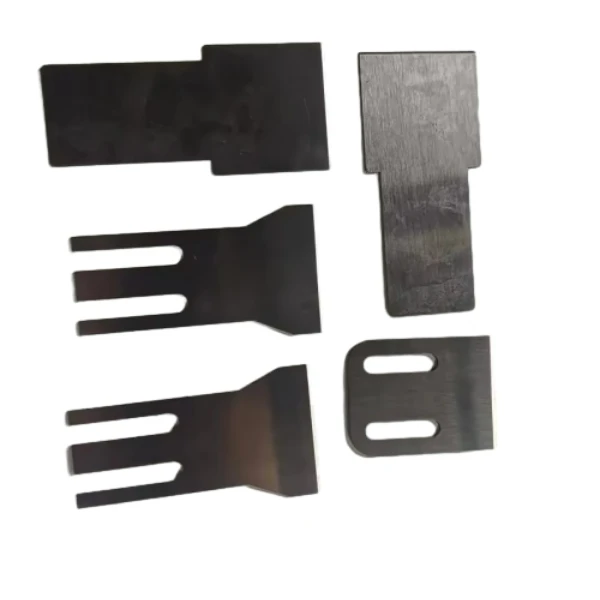
Furthermore, the rise of agro-processing in the Rift Valley has shifted the market toward specialized food-grade tools. The adoption of precision tomato slicer blades is becoming essential for local exporters looking to meet EU and US quality standards for produce consistency.
Evolution of Cutting Technology in East Africa

From manual shearing to automated precision slitting systems.

Market Development History

In the early 2000s, the Kenyan market relied heavily on basic straight cutting blade designs, mostly utilized in small-scale artisanal workshops with manual feeding systems and low tolerance requirements.

Between 2010 and 2020, the industrialization of the "Big Four Agenda" accelerated the transition toward automated rotary systems. This era saw the introduction of high-speed rotary slitter knives, reducing material waste by 15% in the local aluminum foil and plastic film sectors.

Since 2021, the focus has shifted toward material science. Kenyan manufacturers are now integrating specialized coatings like TiN and DLC to extend the lifespan of their tools in harsh environmental conditions.

Future Development Trends

AI-Driven Wear Monitoring

Integration of sensors to predict when slitting blades require sharpening, reducing unplanned downtime in Kenyan factories.

Sustainable Material Sourcing

A shift toward recyclable high-grade alloys to align with Kenya's green energy and sustainable manufacturing goals.

Customized Geometry for Local Crops

Developing specialized blade profiles specifically for African produce to optimize the yield of agro-processing plants.

Industry Trends and Future Outlook

Navigating the trajectory of metal components and sealing technology in Kenya.

Automation Integration
Rapid adoption of CNC-controlled slitting lines in Nairobi's industrial zones to increase precision.
Advanced Metallurgy
Shift toward powder metallurgy for blades that resist corrosion in coastal Mombasa environments.
Agro-Industrial Growth
Increased demand for food-grade stainless steel cutting components for horticultural exports.
Logistics Optimization
Implementation of just-in-time delivery for critical replacement blades to avoid costly shutdowns.

Industry Outlook

Based on Google search trends in the East African region, there is a significant rise in queries for "high-durability industrial knives" and "precision slitting services." This indicates a market transition from low-cost disposable tools to high-investment long-life components.

Over the next 3-5 years, we expect the Kenyan market to prioritize E-E-A-T compliant suppliers who can provide certified metallurgical reports and local technical support, moving away from generic imports toward engineered solutions.

Localized Application Scenarios in Kenya

How our precision cutting solutions solve real-world challenges in Kenyan industries.

01. Packaging Film Production in Nairobi

Using high-precision slitting machine blades to process BOPP and PE films for the thriving FMCG sector, ensuring clean edges and zero burrs for high-speed packaging lines.

02. Horticultural Export Processing in Naivasha

Implementing specialized tomato slicer blades in cold-chain processing plants to maintain product integrity for premium European flower and vegetable exports.

03. Steel Coil Slitting in Mombasa Port Zone

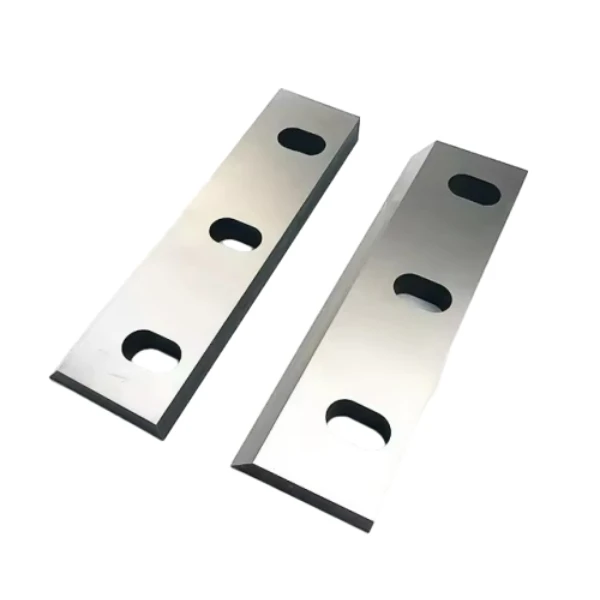
Deploying heavy-duty shear slitting knives for processing imported steel coils into narrow strips for local construction and roofing manufacturers.

04. Textile and Fabric Cutting in Thika

Integrating industrial-grade straight cutting blade systems for high-volume garment production, reducing fabric waste and increasing cutting speed.

05. Aluminum Foil Conversion for Local Pharmacy

Utilizing ultra-thin rotary slitter knives to create precision blister pack foils, ensuring airtight seals for Kenya's growing pharmaceutical industry.

Brand Story

Global Development History of Hebei Shunou Technology Co., Ltd.

Foundational Engineering

Established with a focus on metallurgical precision, solving the core pain point of premature blade wear in heavy industry.

Technological Breakthrough

Developed proprietary heat-treatment processes that increased blade hardness and toughness for extreme industrial environments.

Global Market Expansion

Expanded operations to serve the African market, adapting product specifications to meet the unique climatic demands of East Africa.

Quality Certification

Achieved international ISO standards, ensuring every component delivered to Kenya meets global precision and safety requirements.

Future Vision

Committing to the "Industry 4.0" transition by providing smart-cutting components that integrate with digital factory ecosystems.

Comprehensive Cutting Portfolio for the Kenyan Market

A full suite of precision blades designed for Kenya's diverse manufacturing landscape.

Common Questions from Kenyan Manufacturers

Expert answers to technical queries regarding precision cutting tools in Africa.

How to choose the right slitting machine blades for high-humidity environments in Mombasa?

For coastal regions like Mombasa, we recommend blades with specialized anti-corrosion coatings or high-chromium alloys to prevent rust and oxidation caused by salty sea air.

What is the expected lifespan of rotary slitter knives when cutting recycled plastics in Nairobi?

Recycled plastics often contain contaminants that accelerate wear. Our tungsten carbide grades are designed to last 3-5 times longer than standard steel in these specific Kenyan recycling applications.

Can tomato slicer blades be customized for specific African vegetable varieties?

Yes, we analyze the skin thickness and water content of local Kenyan produce to optimize the blade angle and edge geometry for the cleanest possible cut.

What are the maintenance requirements for a straight cutting blade in a textile mill?

We recommend a scheduled honing cycle every 500 operating hours and the use of compatible lubricants to prevent heat buildup during high-speed textile cutting.

How do shear slitting knives differ from rotary knives for steel processing?

Shear slitting knives use a chopping motion for thicker materials, whereas rotary knives use a rolling shear for continuous, high-speed precision cutting of thinner gauges.

Do you provide technical support for blade installation in Kenya?

We provide comprehensive digital installation guides and remote technical consultation to ensure your cutting tools are aligned perfectly for maximum performance.

Get an Expert Consultation

Ready to optimize your production line? Our engineers are ready to provide customized cutting solutions for your facility in Kenya.

Contact Us Now

If you are interested in our products, you can choose to leave your information here, and we will be in touch with you shortly.