See us at E-Waste World Expo 2026 ( Booth D136 ) June 17-18th , Messe Frankfurt, Germany

High-Precision Rotary Slitter Knives Solutions for Mexico's Industrial Hubs

Optimizing cutting efficiency and tool longevity for the North American manufacturing corridor with advanced metallurgy and precision engineering.

High-Precision Rotary Slitter Knives Solutions for Mexico's Industrial Hubs

Providing Mexico's metalworking and food processing sectors with world-class cutting tools designed to withstand high-volume production and rigorous operational environments.

Current State of Precision Cutting in Mexico

Analyzing the demand for high-performance tooling in Mexico's diverse manufacturing landscape.

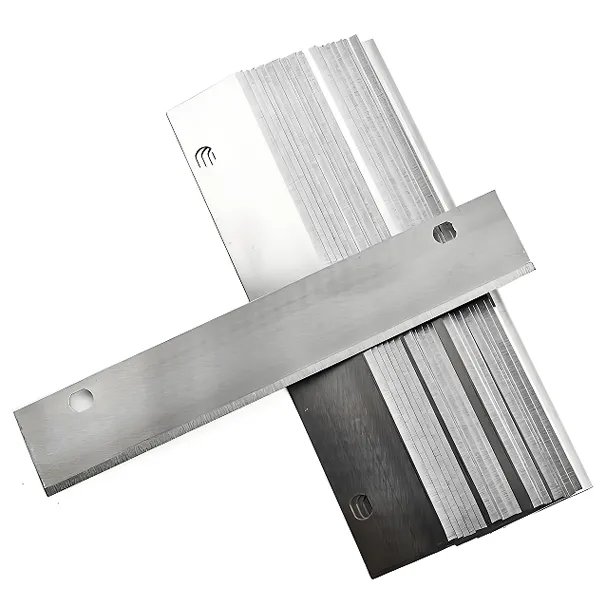
Mexico's manufacturing sector, particularly in the Bajío region and northern border states, is experiencing a surge in demand for high-end slitting machine blades due to the rapid growth of the automotive and aerospace industries. The local economy's focus on nearshoring has forced a shift toward higher precision and lower downtime.

Environmental factors, including high humidity in coastal industrial zones and dust in arid northern regions, accelerate the wear and tear of cutting tools. This creates a critical need for blades with superior coatings and hardness to maintain edge integrity during continuous operations.

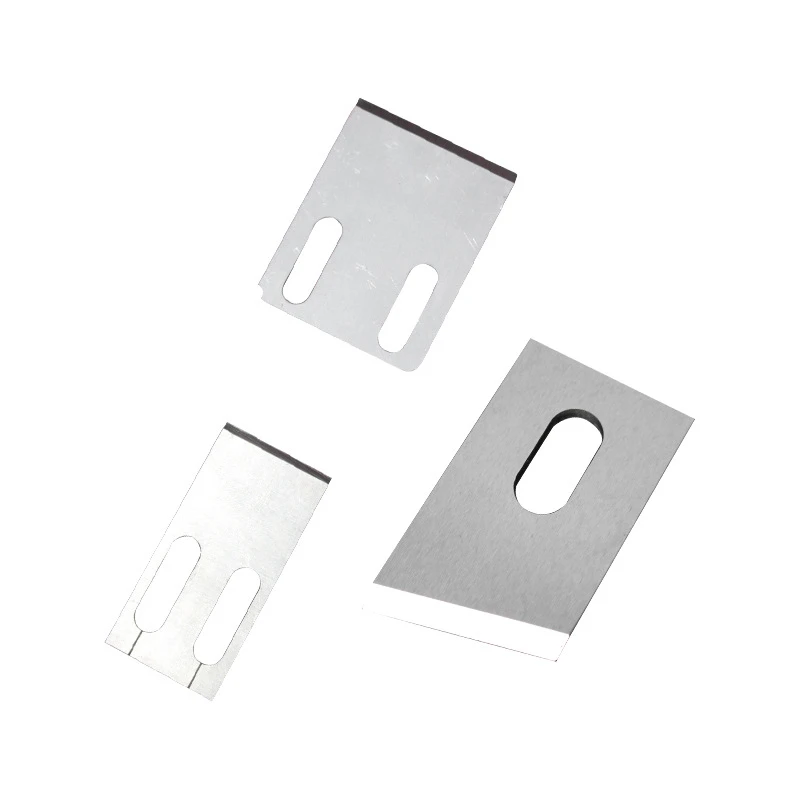
Furthermore, the Mexican food processing industry is modernizing rapidly. The demand for specialized tomato slicer blades has increased as local producers scale up exports to the US and Canada, requiring tools that balance surgical precision with food-grade hygiene standards.
Evolution of Cutting Tool Technology

From traditional carbon steel to advanced tungsten carbide and ceramic coatings.

Market Development History

In the early 2000s, the Mexican market relied heavily on basic carbon steel straight cutting blade designs, which required frequent sharpening and offered limited tool life in heavy-duty industrial applications.

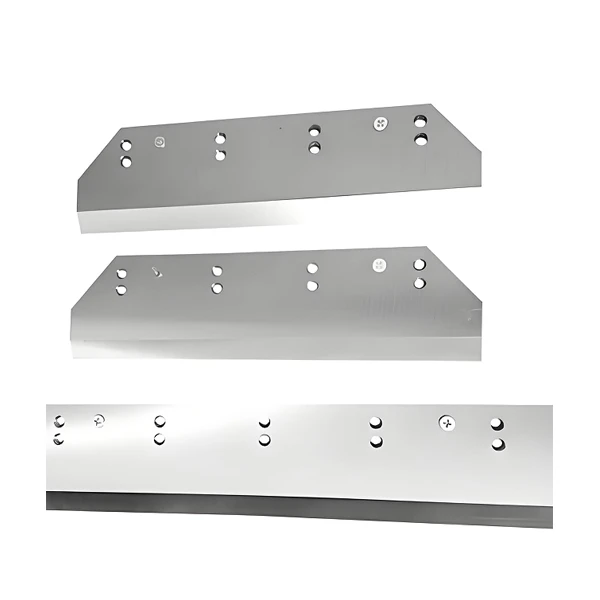
By 2010-2015, the introduction of High-Speed Steel (HSS) and basic Tungsten Carbide became the norm. This era saw the adoption of more complex shear slitting knives to handle the increasing thickness of automotive grade alloys.

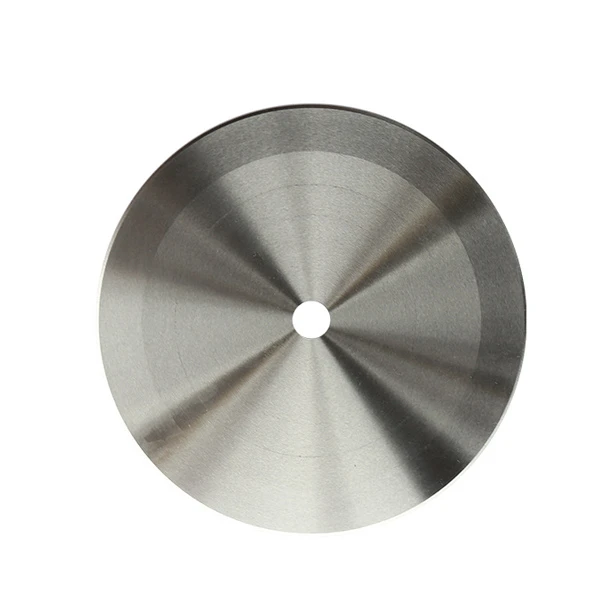
From 2018 to the present, the industry has transitioned toward "Smart Tooling," integrating CVD and PVD coatings. This evolution has significantly reduced frictional heat and increased the operational lifespan of rotary knives by up to 300%.

Future Development Trends

Nanostructured Coating Integration

Future tools will utilize nano-layering to prevent adhesive wear, particularly essential for high-speed metallic slitting in Mexico's automotive parts plants.

AI-Driven Wear Prediction

Integration of sensors within the blade holder to predict the exact moment of dullness, shifting from scheduled maintenance to predictive maintenance.

Sustainable Material Sourcing

A move toward recyclable cobalt-free binders in carbide production to meet the tightening environmental regulations of the North American trade zone.

Future Outlook for Metal Sealing & Cutting Components

Predicting the shift toward ultra-precision and high-durability tooling.

Nearshoring Scaling
Increased production volume in Mexico drives demand for industrial-grade blades with zero-defect tolerances.
Material Hybridization
Development of composite blade cores that combine toughness with extreme surface hardness.
Automation Synergy
Blades engineered specifically for robotic changing systems to eliminate manual tool swapping.
Eco-Efficient Design
Reducing friction coefficients to lower the energy consumption of slitting machinery.

Industry Outlook

Over the next 3-5 years, we expect the Mexican market to shift from "cost-per-blade" to "cost-per-cut" logic. This shift, driven by Google search trends in industrial automation, indicates a growing preference for premium tooling that reduces total operational expenditure (OPEX).

The convergence of high-strength steel production and precision cutting will lead to a demand for customized geometries, ensuring that tools are optimized for the specific material grades used in the North American supply chain.

Local Application Scenarios in Mexico

Real-world implementation of our precision cutting solutions across Mexican industries.

1. Automotive Parts Slitting in Querétaro

Utilizing high-durability shear slitting knives to process high-tensile steel coils for chassis components, ensuring burr-free edges.

2. Agro-Industrial Processing in Sinaloa

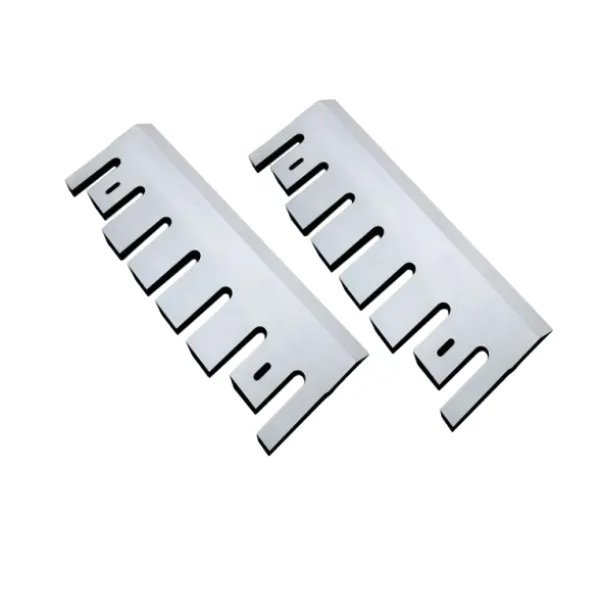
Deployment of food-grade tomato slicer blades for high-volume export packaging, maintaining consistent slice thickness under high-speed operation.

3. Packaging Film Conversion in Monterrey

Implementing precision slitting machine blades for polymer films used in the FMCG sector, reducing material waste by 15%.

4. Metal Foil Production in Chihuahua

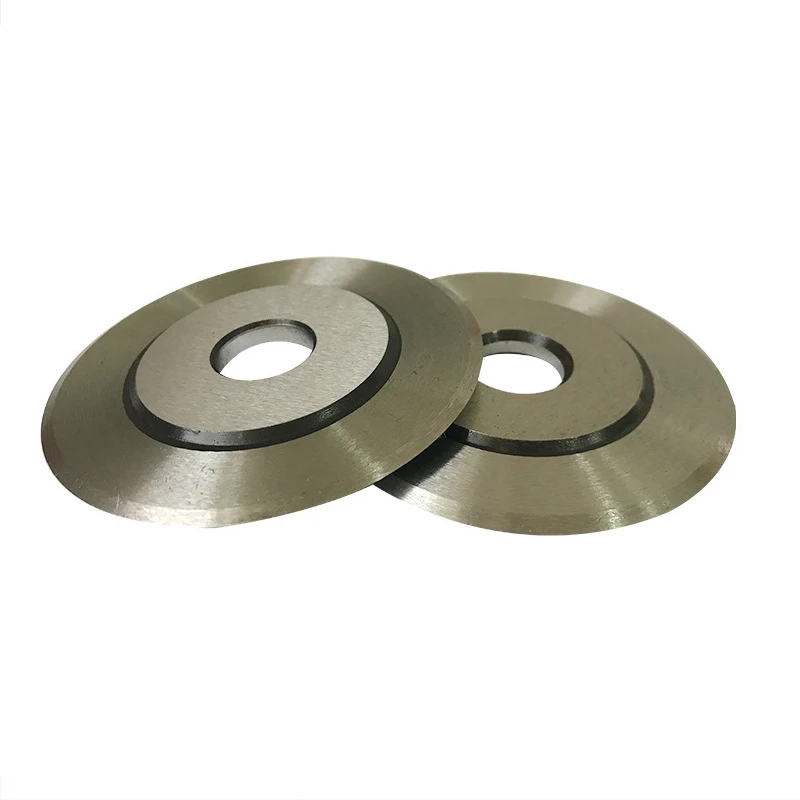
Applying ultra-thin rotary slitter knives for the electronics and heat-shielding market, achieving micron-level accuracy.

5. Industrial Gasket Manufacturing in Puebla

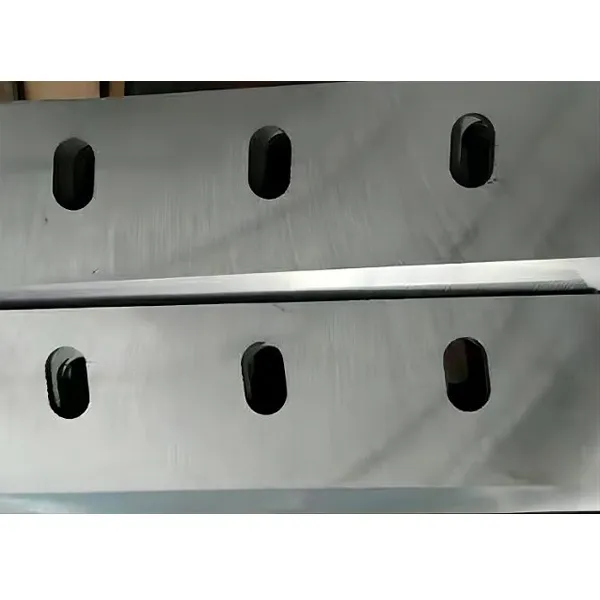
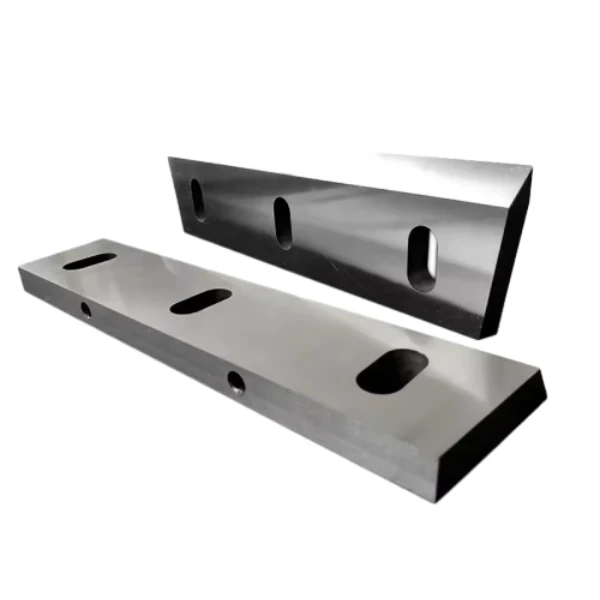
Using heavy-duty straight cutting blade systems for precision sealing components used in engine assemblies.

Brand Story

Global Development Journey of Hebei Shunou Technology Co., Ltd.

Founding Excellence

Established with a vision to solve the chronic problem of premature blade wear in heavy industry through superior metallurgical research.

Technical Breakthroughs

Developed proprietary heat-treatment processes that increased the edge retention of industrial knives by 40%.

Global Expansion

Expanded operations to North America, establishing key supply chain links to support Mexico's manufacturing boom.

Certification Mastery

Achieved international quality standards for precision tooling, ensuring seamless integration into global production lines.

Future Vision

Committed to leading the transition toward eco-friendly, smart-cutting technologies for a sustainable industrial future.

Complete Cutting Tool Portfolio for the Mexican Market

A comprehensive range of precision blades designed for the diverse requirements of North American industry.

Common Questions for Cutting Tooling in Mexico

Expert answers to the most frequent technical queries from our regional partners.

How to choose the right carbide grade for rotary slitter knives in automotive use?

Selection depends on the material hardness of the coil. For high-tensile steel, we recommend sub-micron grain carbide with a TiAlN coating to prevent thermal cracking.

What is the average lifespan of tomato slicer blades in high-volume processing?

Depending on the acid content of the product and the speed of the line, our premium stainless-steel blades maintain peak performance for 20-30% longer than standard alternatives.

Can shear slitting knives be customized for non-standard alloy thicknesses?

Yes, we provide full customization of the bevel angle and core hardness to match specific alloy characteristics used in the Mexican aerospace sector.

How does humidity in coastal Mexico affect straight cutting blade performance?

High humidity can lead to surface oxidation. We use specialized corrosion-resistant coatings that ensure the blade remains lubricated and rust-free during downtime.

What are the signs that slitting machine blades need immediate replacement?

Key indicators include an increase in burr height on the cut edge, visible "chatter" marks on the material, and a noticeable rise in motor current draw during the slitting process.

Do you offer technical support for blade alignment in Mexico?

We provide detailed technical documentation and remote consultation to ensure your rotary knives are aligned perfectly, maximizing tool life and cut quality.

Ready to Optimize Your Production?

Contact our technical team for tailored cutting solutions across Mexico. We ensure precision delivery and expert support for your facility.

Contact Us Now

If you are interested in our products, you can choose to leave your information here, and we will be in touch with you shortly.