See us at E-Waste World Expo 2026 ( Booth D136 ) June 17-18th , Messe Frankfurt, Germany

High-Precision rotary slitter knives Solutions for Philippines Manufacturing

Engineering superior cutting edge technology to optimize industrial slitting and slicing performance across the Philippine archipelago.

High-Precision rotary slitter knives Solutions for Philippines Manufacturing

Providing the Philippines industrial sector with advanced metallurgy and precision-ground cutting tools to ensure zero-burr finishes and maximum operational uptime.

Industrial Cutting Landscape in Asia - Philippines

Analyzing the intersection of tropical climates and heavy industrial demands.

The manufacturing sector in the Philippines faces unique challenges due to high ambient humidity and saline air, which accelerate the oxidation of standard slitting machine blades. Local factories in regions like CALABARZON and Central Luzon require tool steels with enhanced corrosion resistance to maintain edge sharpness.

Currently, many local enterprises rely on imported low-grade tooling, leading to frequent downtime. There is a growing demand for specialized straight cutting blade options that can withstand the continuous operation cycles required by the country's expanding packaging and electronics sectors.

The economic shift toward localized food processing has also spiked the need for hygienic, food-grade tomato slicer blades, moving away from manual cutting to automated, precision-driven systems to meet export quality standards.
Technical Evolution of Precision Cutting

From basic carbon steel to advanced Tungsten Carbide composites.

Market Development History

In the early 2000s, the Philippine market primarily used basic hardened tool steel for shear slitting knives, which required frequent manual regrinding and offered limited life cycles in heavy-duty applications.

Between 2010 and 2018, the introduction of Vacuum Heat Treatment (VHT) and PVD coatings allowed for a significant leap in hardness and wear resistance, reducing the frequency of blade replacements in the local foil and paper industries.

From 2019 to the present, the industry has transitioned toward "Smart Tooling," where geometry is optimized using FEA (Finite Element Analysis) to reduce material waste and energy consumption during the slitting process.

Future Development Trends

Nano-Coating Integration

The next 3 years will see a shift toward nano-ceramic coatings to eliminate friction-induced heat, specifically for high-speed rotary applications.

AI-Driven Wear Prediction

Integration of sensors with blades to monitor wear in real-time, allowing Philippine factories to move from reactive to predictive maintenance.

Sustainable Metallurgy

Development of cobalt-free high-performance alloys to meet emerging global environmental regulations and reduce the carbon footprint of tool manufacturing.

Future Trends and Strategic Outlook

Driving efficiency through metallurgical innovation.

Extreme Wear Resistance
Implementing ultra-fine grain carbides to prolong the lifespan of slitting tools in abrasive environments.
Precision Geometry Optimization
Using laser-guided grinding to achieve micron-level tolerance for flawless edge cuts.
Anti-Corrosion Metallurgy
Developing alloys specifically designed to resist the humid tropical atmosphere of the Philippines.
Eco-Friendly Production
Reducing carbon emissions through energy-efficient sintering and recycling of tool steel.

Industry Outlook

Based on regional search trends, the Philippine market is rapidly shifting toward automation. This transition increases the demand for high-reliability components that minimize human intervention and maximize throughput.

The synergy between advanced metallurgy and local industrialization will define the next decade, where precision cutting tools become the catalyst for higher export quality in the ASEAN region.

Localized Application Scenarios in Philippines

Real-world implementation of precision blades across various Philippine sectors.

01. Food Processing & Canning

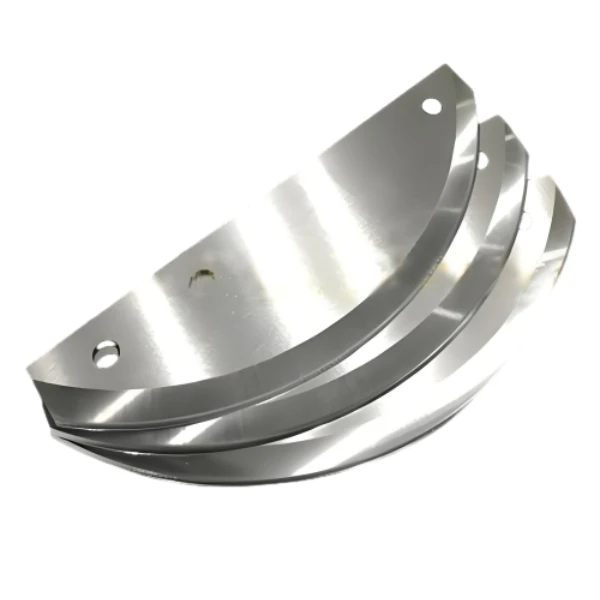
Utilization of high-grade tomato slicer blades in the agricultural hubs of Mindanao to ensure clean, uniform cuts for canned exports, reducing spoilage.

02. Flexible Packaging Manufacturing

Implementing precision slitting machine blades in Manila's packaging plants to process high-volume BOPP and PET films for consumer goods.

03. Metal Sheet & Coil Processing

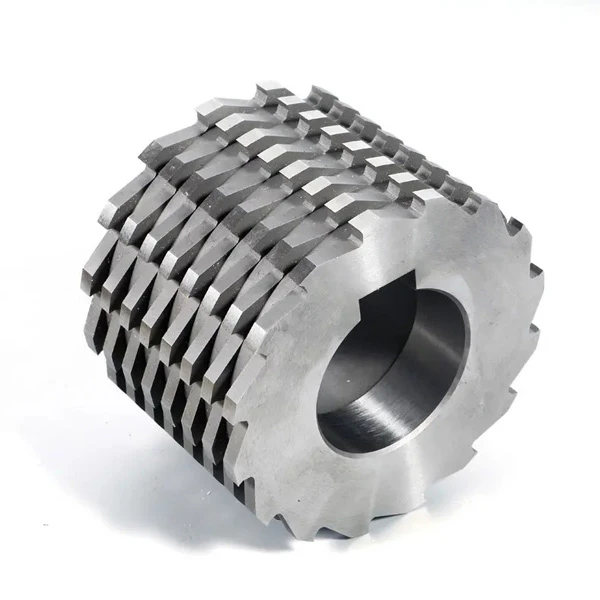
Deployment of heavy-duty shear slitting knives in construction material factories to produce precise metal strips for the local building industry.

04. Electronics Component Slicing

Using ultra-thin rotary slitter knives in the semiconductor assembly and test (OSAT) plants within the PEZA zones for high-precision wafer-level cutting.

05. Paper & Cardboard Conversion

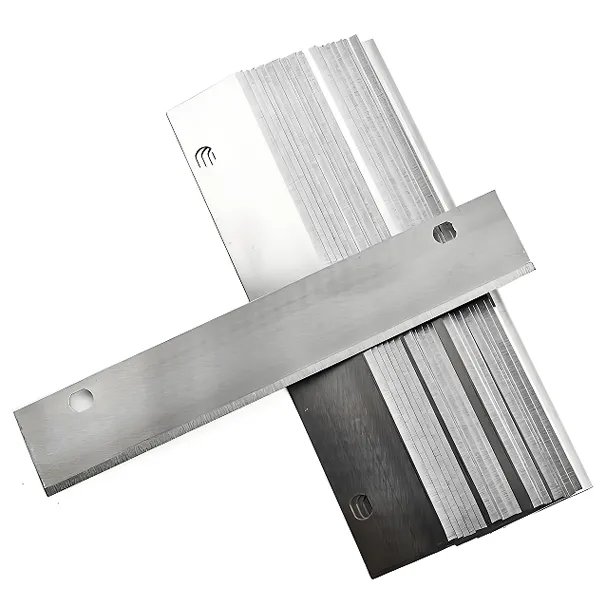
Applying industrial-grade straight cutting blade systems to maximize efficiency in the production of corrugated boxes for e-commerce logistics.

Brand Story

Global Development Journey of Hebei Shunou Technology Co., Ltd.

Foundational Excellence

Established with a focus on precision metallurgy, we began by solving the most basic wear-and-tear issues for local industrial cutters.

Technological Breakthrough

Integrated advanced VHT and PVD coating technologies, enabling our blades to outperform traditional steel in extreme environments.

Global Market Expansion

Expanded our reach to Asia - Philippines and other key markets, tailoring our product specs to meet diverse regional climatic challenges.

Quality Standardization

Achieved international quality certifications, ensuring that every blade delivered meets strict ISO and industrial safety standards.

Future Vision

Committed to becoming the global leader in sustainable precision cutting, solving the pain points of industrial downtime through innovation.

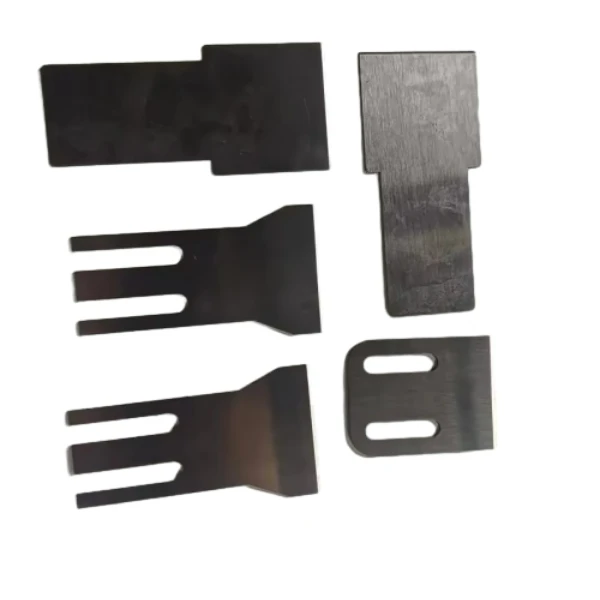
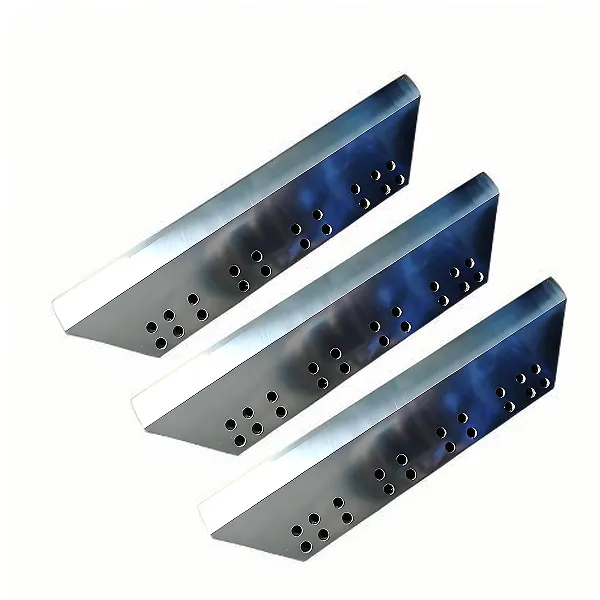
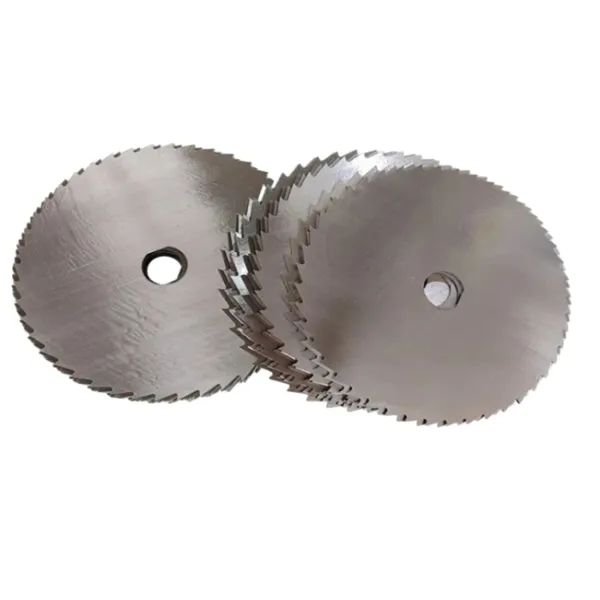
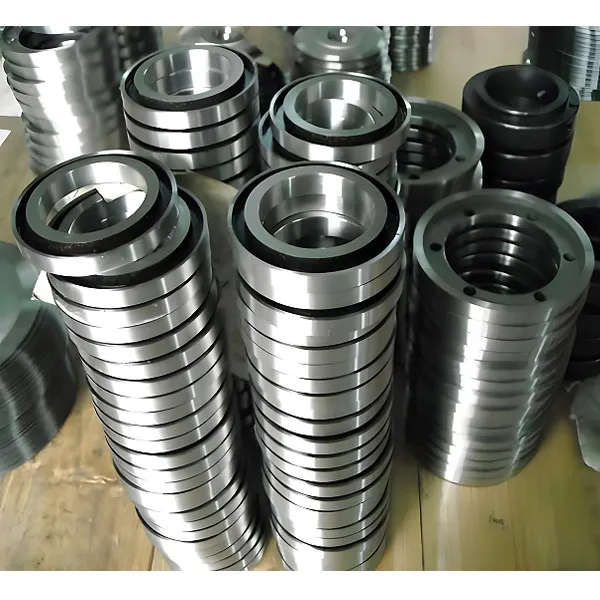
Complete Cutting Tool Portfolio for Philippines Market

A comprehensive range of high-performance blades engineered for various industrial applications.

Industrial Cutting FAQs for the Philippines

Expert answers to common technical queries regarding slitting and slicing tools.

How to prevent rust on slitting machine blades in humid Philippine climates?

We recommend using PVD-coated blades or specialized stainless-alloy tool steels. Additionally, applying a thin layer of anti-corrosion oil during downtime is essential for humid environments.

What is the ideal hardness for rotary slitter knives used in foil slitting?

For aluminum foil and thin plastics, a hardness of HRC 62-66 is typically ideal. We use precision vacuum heat treatment to ensure uniform hardness across the blade edge.

Can tomato slicer blades be customized for different vegetable densities?

Yes, we offer various bevel angles and edge geometries to handle different densities, ensuring a clean cut without crushing the food product.

How often should a straight cutting blade be reground for optimal efficiency?

Depending on the material being cut, regrinding is typically recommended when burrs appear or when cutting resistance increases by 15-20%.

What materials are best for shear slitting knives in heavy gauge steel?

Tungsten Carbide or high-speed tool steels (HSS) are best for heavy gauge steel to prevent rapid deformation and maintain a sharp shear edge.

Do you provide technical support for blade alignment in the Philippines?

Yes, we provide detailed technical guidelines and remote consulting to ensure your blades are aligned perfectly for maximum lifespan and cut quality.

Get Your Precision Cutting Solution Today

Our engineering team is ready to optimize your production line in Philippines. Contact us for custom quotes and technical specifications.

Contact Us Now

If you are interested in our products, you can choose to leave your information here, and we will be in touch with you shortly.