See us at E-Waste World Expo 2026 ( Booth D136 ) June 17-18th , Messe Frankfurt, Germany

High-Precision rotary slitter knives Solutions for Saudi Arabia

Engineered for extreme durability and precision cutting in the challenging industrial environments of the Kingdom of Saudi Arabia.

High-Precision rotary slitter knives Solutions for Saudi Arabia

Providing world-class industrial cutting tools designed to withstand high thermal stress and heavy-duty manufacturing cycles in the Saudi Arabian market.

Industrial Cutting Landscapes in Saudi Arabia

Analyzing the intersection of harsh climates and precision metallurgy.

In Saudi Arabia, the manufacturing sector faces unique challenges due to extreme ambient temperatures and high humidity in coastal regions. This environmental stress accelerates the wear and tear of slitting machine blades, requiring specialized heat treatments and corrosion-resistant coatings to maintain edge integrity.

The rapid expansion of the packaging and aluminum industries under Vision 2030 has increased the demand for high-performance shear slitting knives. Local factories are transitioning from general-purpose tools to customized metallurgical solutions that can handle the high-volume throughput of the petrochemical-adjacent manufacturing hubs.

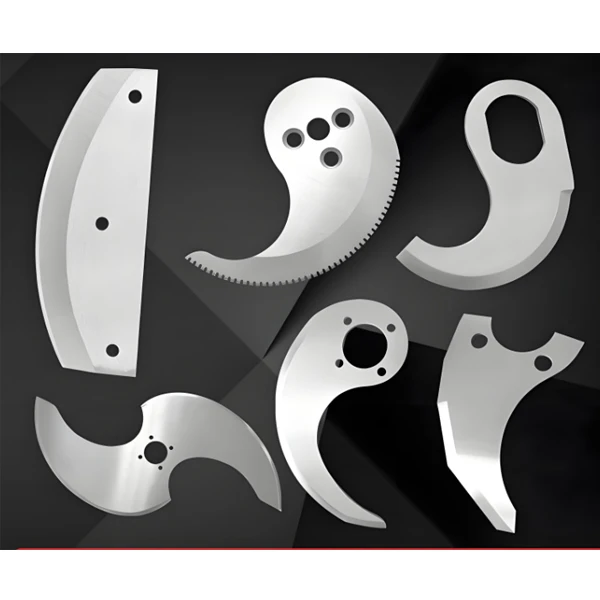
Furthermore, the food processing sector in Riyadh and Jeddah is upgrading its automation, necessitating specialized tools like tomato slicer blades that meet stringent hygiene standards while maintaining sharp precision under continuous operation in climate-controlled facilities.
Evolution of Cutting Technology in Saudi Industry

From manual tooling to AI-driven precision engineering.

Market Development History

During the early 2000s, the Saudi Arabian market relied heavily on imported generic carbon steel tools. Cutting operations were primarily manual or semi-automated, leading to high waste rates and frequent downtime for blade replacement.

Between 2010 and 2020, there was a significant shift toward Tungsten Carbide and Cobalt-alloyed straight cutting blade designs. This era marked the introduction of precision grinding standards to reduce burr formation in metal slitting.

Post-2020, the integration of Industry 4.0 has seen the adoption of smart monitoring for blade wear. Cutting tools are now designed with specific geometries optimized for the high-speed rotary machines now common in Saudi's modernized industrial cities.

Future Development Trends

Nanotechnology Coatings

Integration of Diamond-Like Carbon (DLC) coatings to minimize friction and extend the lifecycle of blades in high-heat environments.

Adaptive Geometry Design

Utilizing Finite Element Analysis (FEA) to create blade profiles that reduce material waste and energy consumption during the slitting process.

Sustainability-Driven Materials

A shift toward recyclable high-grade alloys that maintain hardness while reducing the carbon footprint of tool production.

Industry Trends and Future Outlook

Predicting the trajectory of precision tooling through 2030.

Automated Wear Sensing
Implementation of real-time sensors to detect blade dullness, preventing product defects before they occur.
Hyper-Tolerant Alloys
Development of alloys specifically designed to resist the thermal expansion typical of the Saudi climate.
Precision Food Engineering
Growth in antimicrobial blade surfaces for the expanding Saudi agri-food processing sector.
Lean Manufacturing Tools
Tools optimized for "Zero-Waste" initiatives in line with global sustainability goals.

Industry Outlook

Based on current search trends and industrial growth, the demand for high-precision tooling in Saudi Arabia is expected to grow by 6.5% annually. The primary driver is the localization of manufacturing (Local Content), which requires higher quality tools to compete internationally.

We anticipate a move toward integrated "Blade-as-a-Service" models where predictive maintenance and automatic replacement cycles are managed through cloud-based telemetry, ensuring zero unplanned downtime for Saudi factories.

Local Application Scenarios in Saudi Arabia

Practical implementations of precision blades in the Kingdom's diverse economy.

1. Aluminum Foil Production in Jubail

Using high-grade slitting machine blades to process aluminum coils into household foils, requiring extreme edge precision to prevent tearing.

2. Industrial Plastic Film Slitting in Riyadh

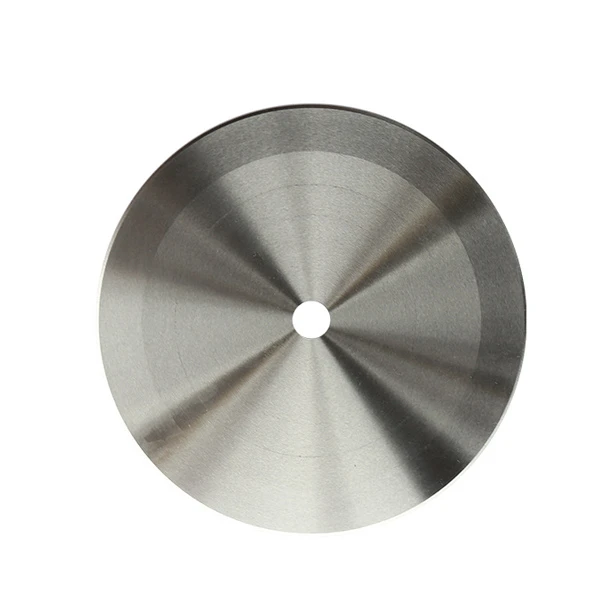
Deploying rotary slitter knives for the production of agricultural greenhouse films used in Saudi's desert farming initiatives.

3. Automated Vegetable Processing in Jeddah

Implementing stainless steel tomato slicer blades for large-scale canning and fresh-cut vegetable exports.

4. Steel Sheet Metal Fabrication in Dammam

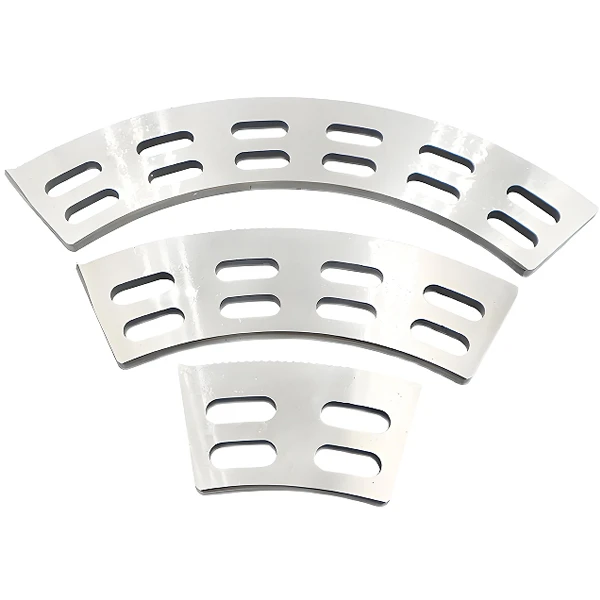
Utilizing heavy-duty shear slitting knives for cutting structural steel plates used in infrastructure projects.

5. Precision Gasket Manufacturing

Applying straight cutting blade technology for the production of high-temperature seals used in the oil and gas sector.

Brand Story

Global Development History of Hebei Shunou Technology Co., Ltd.

Foundational Excellence

Established with a focus on metallurgical precision, we began by solving the problem of premature blade wear in heavy-duty industrial slitting.

Material Innovation

We pioneered the use of customized alloy compositions to bridge the gap between hardness and toughness, reducing fracture rates by 30%.

Global Expansion

Extending our reach to Asia and the Middle East, adapting our products to meet the specific environmental demands of Saudi Arabia.

Technological Integration

Investing in CNC grinding and laser-measuring systems to achieve micron-level tolerances for all our cutting components.

Commitment to Vision 2030

Aligning our supply chain to support Saudi Arabia's industrialization, ensuring local manufacturers have access to world-class tooling.

Comprehensive Cutting Tool Portfolio for Saudi Arabia

A full spectrum of precision blades designed for the Kingdom's industrial requirements.

Saudi Arabia Industrial Cutting FAQs

Expert answers to common technical challenges in the region.

How do I prevent overheating in slitting machine blades in hot climates?

We recommend using specialized coatings and ensuring the cooling system of your machinery is optimized for the high ambient temperatures of Saudi Arabia to maintain the blade's tempered hardness.

What is the best material for rotary slitter knives used in plastic film?

Tungsten carbide or high-speed steel (HSS) with a TiN coating is ideal for plastic film to ensure a clean cut and long-term edge retention.

Can tomato slicer blades be customized for specific food thicknesses?

Yes, we provide customized blade profiles and spacing to meet the exact thickness requirements of your food processing line.

How often should a straight cutting blade be reground?

Regrinding frequency depends on material hardness, but we typically recommend a scheduled check every 500-1000 operating hours to avoid material deformation.

What causes burrs when using shear slitting knives?

Burrs are usually caused by improper blade clearance or dull edges. Ensuring precise alignment and using high-precision ground blades can eliminate this issue.

Do you provide delivery and technical support within Saudi Arabia?

Yes, we provide worldwide shipping with dedicated technical support to help you optimize the installation and performance of your blades.

Get Expert Cutting Solutions Now

Optimize your production line with the world's most durable precision blades. Contact us for a customized quote tailored to your operations in Saudi Arabia.

Contact Us Now

If you are interested in our products, you can choose to leave your information here, and we will be in touch with you shortly.