See us at E-Waste World Expo 2026 ( Booth D136 ) June 17-18th , Messe Frankfurt, Germany

High-Precision rotary slitter knives Solutions for South Korea's Industrial Sector

Engineering superior cutting performance and durability for the advanced manufacturing ecosystems of Seoul, Incheon, and Ulsan.

High-Precision rotary slitter knives Solutions for South Korea's Industrial Sector

We provide high-performance industrial cutting tools tailored for South Korea's rigorous manufacturing standards, ensuring seamless integration with automated slitting lines.

The Landscape of Precision Cutting in South Korea

Analyzing the operational challenges of the general parts manufacturing industry in East Asia.

South Korea's manufacturing sector is characterized by extreme precision and a rapid transition toward Industry 4.0. In the production of metal seals and general components, the demand for slitting machine blades has evolved to require tighter tolerances to match the high-speed output of automated Korean production lines.

The local economic environment, centered around heavy industries in Ulsan and electronics in Suwon, creates a unique stress profile for cutting tools. High humidity levels during the monsoon season necessitate advanced surface coatings on shear slitting knives to prevent oxidation and maintain edge sharpness during continuous operation.

Currently, South Korean firms are shifting from traditional tool replacement cycles to predictive maintenance. This shift requires blades that provide consistent wear patterns, allowing manufacturers to optimize the downtime of their rotary machinery without compromising the structural integrity of the metal seals.
Evolution of Cutting Technology in the Korean Market

From manual shearing to AI-driven precision slitting.

Market Development History

In the 1980s and 90s, the South Korean parts industry relied heavily on basic carbon steel tools. The primary focus was on volume rather than precision, using simple straight cutting blade designs for bulk material processing.

Between 2000 and 2015, the rise of the global semiconductor and automotive export market forced a transition toward tungsten carbide and high-speed steel (HSS). This era saw the integration of precision grinding technologies, significantly reducing the burr rate in metal seal manufacturing.

Since 2016, the focus has shifted toward specialized applications. The diversification of the food processing and electronics industries has led to a surge in demand for highly specialized tools, including tomato slicer blades for the expanding automated food logistics sector.

Future Development Trends

Nano-Coating Integration

We predict a surge in DLC (Diamond-Like Carbon) and TiAlN coatings to extend the lifespan of blades in high-friction environments.

Smart-Edge Monitoring

Integration of IoT sensors within blade holders to monitor real-time wear and tear, reducing unplanned production halts.

Eco-Friendly Material Processing

The shift toward recyclable alloys in South Korea will require blades with adaptive geometries to handle varying material hardness.

Industry Trends and Future Outlook

Strategic directions for the next 3-5 years based on regional search trends and technical audits.

Automation Synergy
Deep integration with robotic arms for automated blade swapping in Korean smart factories.
Ultra-Precision Tolerances
Moving toward micron-level accuracy to support the high-end electronic component market.
Material Hybridization
Developing composite blade materials to reduce friction and heat buildup during high-speed slitting.
Sustainability Focus
Implementation of regenerative grinding services to reduce waste in the Korean industrial cycle.

Industry Outlook

The future of the cutting tools industry in South Korea is inextricably linked to the growth of the EV battery and semiconductor sectors. As materials become thinner and more resilient, the demand for specialized slitting solutions will accelerate.

Google search trends indicate a rising interest in "carbon-neutral manufacturing" within the Asia-Pacific region. Consequently, we expect a shift toward blades that maximize energy efficiency by reducing the torque required for a clean cut.

Localized Application Scenarios in South Korea

Real-world deployments of our precision cutting solutions across various Korean industries.

01. Automotive Seal Production in Ulsan

Utilizing high-durability shear slitting knives to process heavy-duty rubber and metal composites for the global automotive export market.

02. Electronics Foil Slitting in Gyeonggi-do

Implementing micron-precision rotary slitter knives for the production of copper foils used in high-density circuit boards.

03. Automated Food Processing in Seoul

Deploying specialized tomato slicer blades for large-scale centralized kitchens serving the metropolitan area's meal-kit industry.

04. Industrial Packaging in Incheon

Applying straight cutting blade technology for the high-speed conversion of polymer films used in logistics packaging.

05. Precision Hardware Manufacturing in Daegu

Integrating slitting machine blades into automated CNC lines for the production of miniature metal seals and gaskets.

Brand Story

Global Development Journey of Hebei Shunou Technology Co., Ltd.

Foundation and Vision

Established with a mission to solve the critical problem of rapid blade wear in the general parts manufacturing industry through metallurgical innovation.

Technological Breakthrough

Developed proprietary heat-treatment processes that increased the hardness and toughness of industrial cutting edges by 30%.

Asian Market Expansion

Successfully entered the South Korean and Japanese markets, adapting products to meet the stringent quality standards of East Asian electronics firms.

Global Quality Certification

Achieved international ISO certifications, ensuring that every blade produced meets global safety and performance benchmarks.

Future-Proofing Industry

Currently leading the transition toward "Smart Cutting" by integrating material science with digital monitoring solutions.

Comprehensive Cutting Tool Portfolio for South Korea

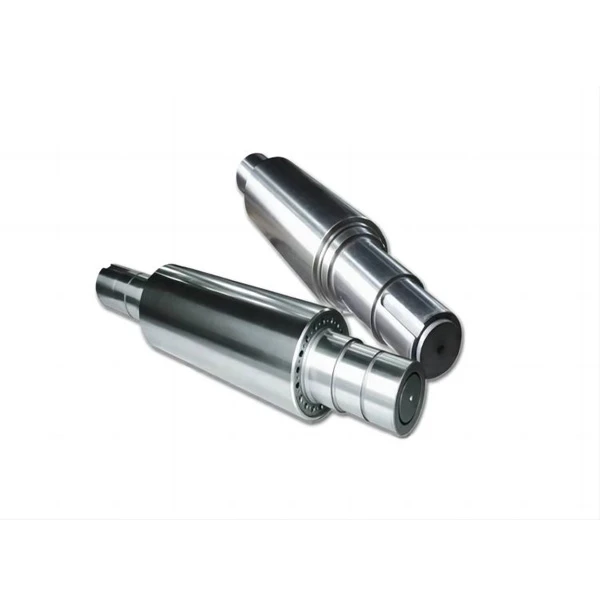
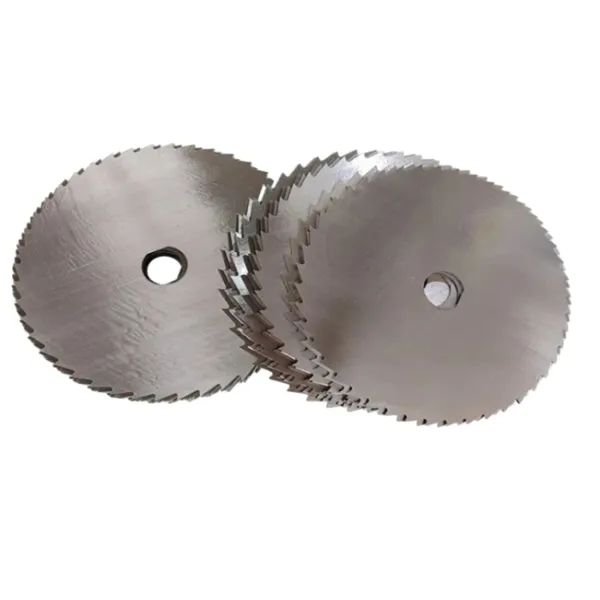
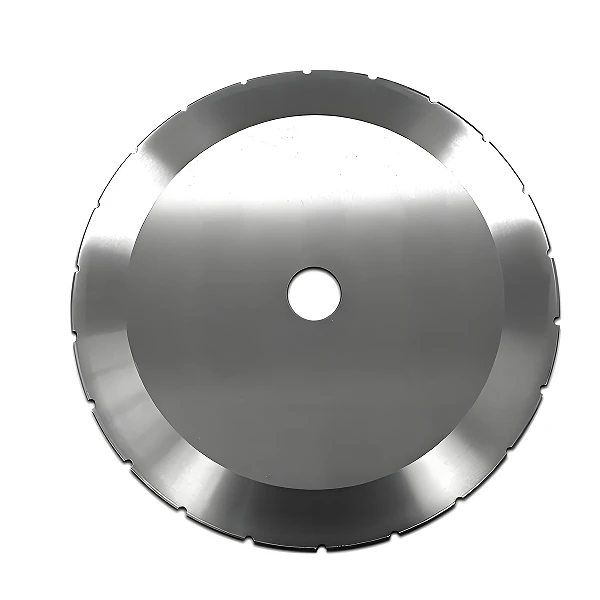
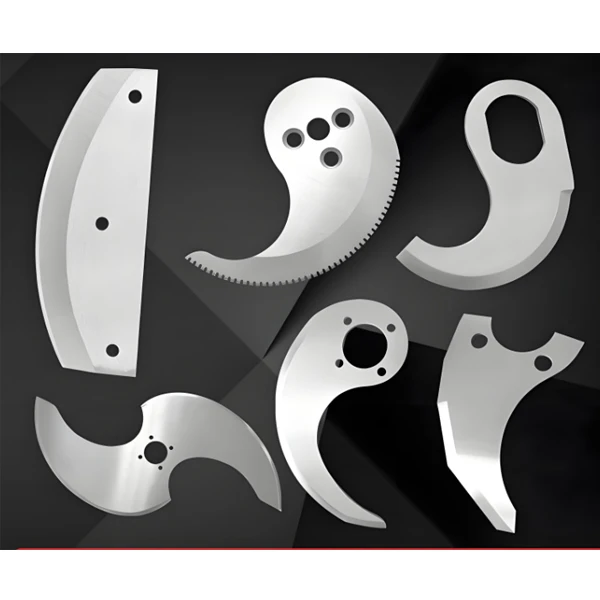
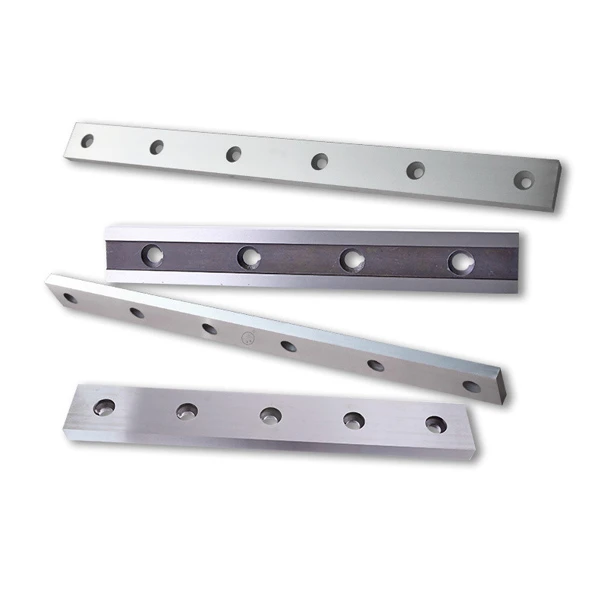
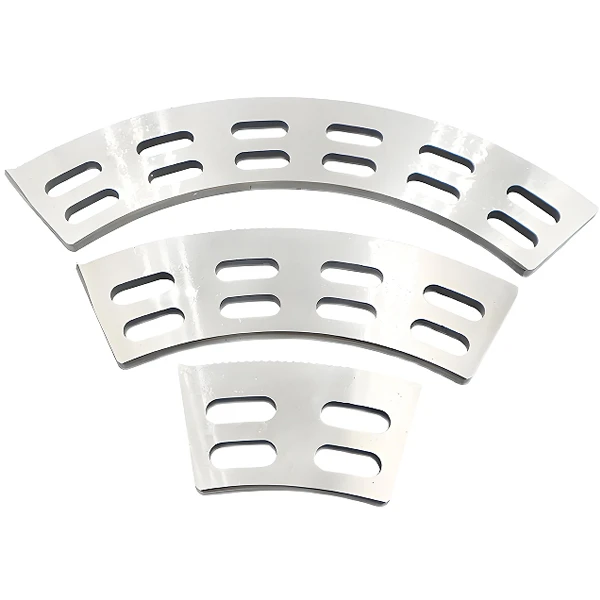
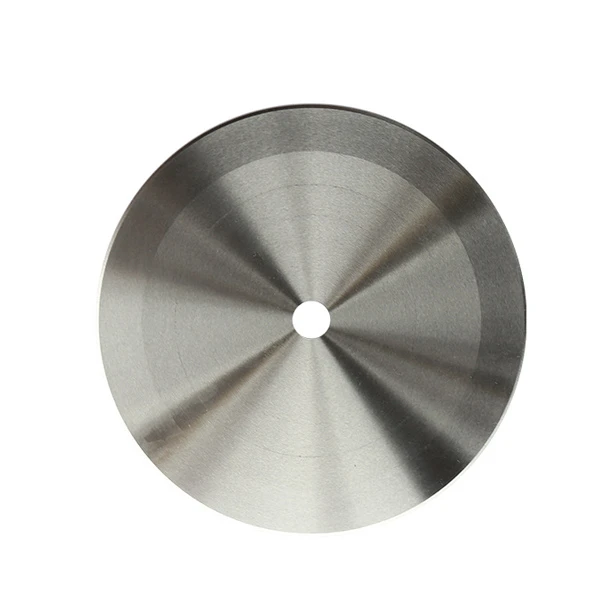
A full range of high-precision blades engineered for the Korean general equipment manufacturing sector.

Frequently Asked Questions - South Korea Market

Technical guidance and commercial support for our regional partners.

How do I choose the right material for rotary slitter knives in high-speed lines?

For high-speed lines in South Korea, we recommend Tungsten Carbide for maximum wear resistance or HSS with TiAlN coating for a balance of toughness and edge retention.

What is the typical lifespan of slitting machine blades in metal seal production?

Depending on the material hardness, our premium blades typically last 25-40% longer than standard carbon steel alternatives due to our specialized tempering process.

Are your tomato slicer blades compliant with food safety standards in Korea?

Yes, our food-grade blades are manufactured from stainless steel and certified to meet international food safety standards, ensuring no contamination during slicing.

Can you customize the geometry of a straight cutting blade for specific alloys?

Absolutely. We provide custom bevel angles and edge geometries to minimize deformation when cutting high-tensile alloys used in Korean heavy industry.

What is the best way to maintain shear slitting knives to avoid burrs?

We recommend a scheduled precision regrinding cycle and ensuring that the gap between knives is calibrated to within 0.01mm to prevent material rollover.

Do you provide shipping and customs support for deliveries to South Korea?

Yes, we handle the logistics and provide all necessary documentation for smooth customs clearance at Incheon or Busan ports.

Get Expert Consultation for Your Production Line

Our engineering team is ready to optimize your cutting processes in South Korea with high-performance tooling solutions.

Contact Us Now

If you are interested in our products, you can choose to leave your information here, and we will be in touch with you shortly.