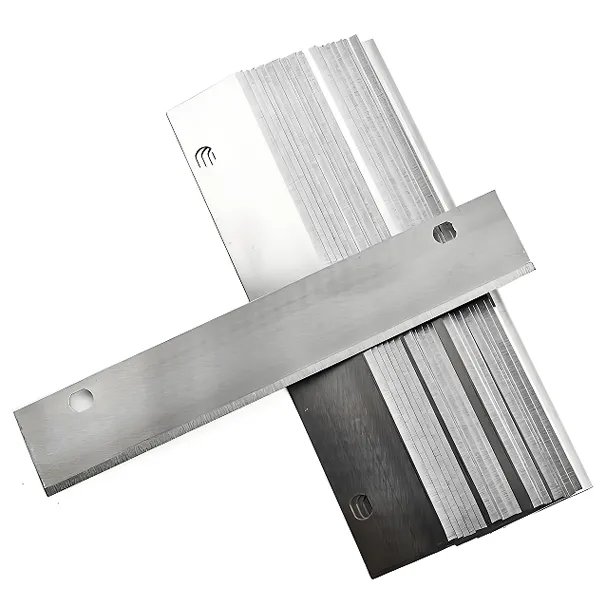
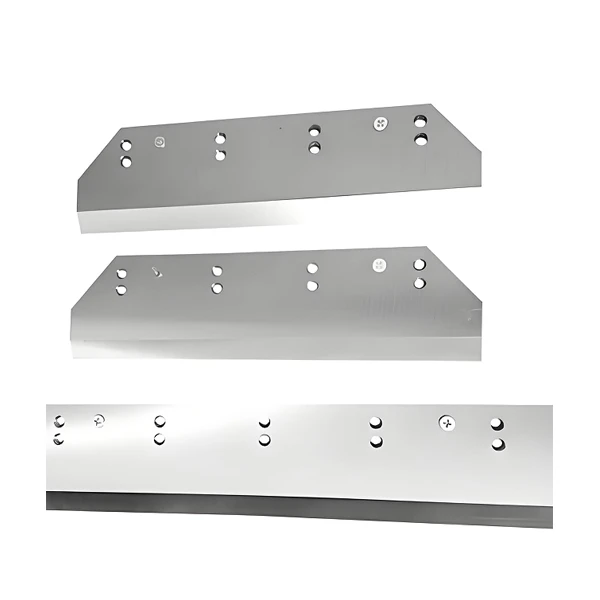
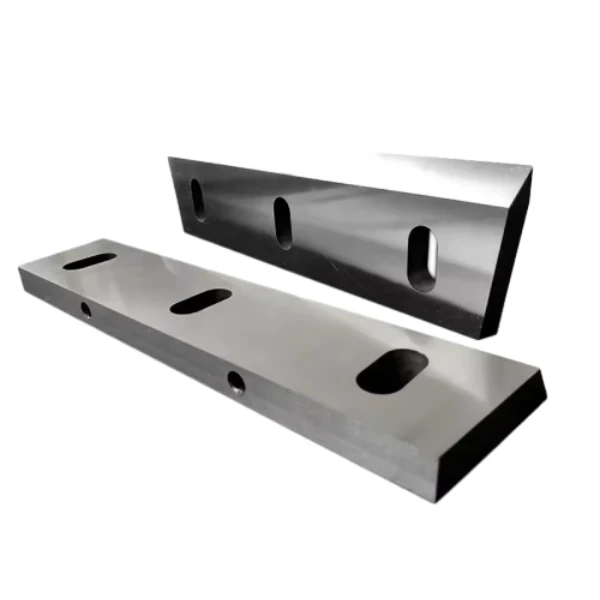
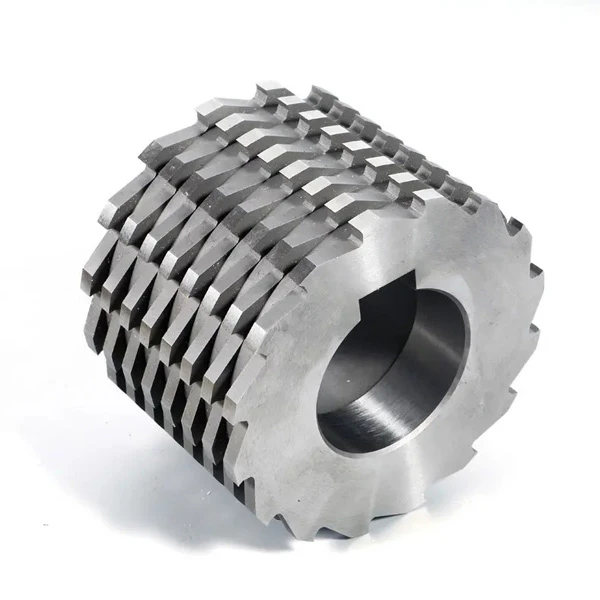
The manufacturing sector in Sri Lanka, particularly in general equipment and metal components, faces unique challenges due to the high humidity and saline air of its coastal geography. This environmental stress accelerates the oxidation of standard slitting machine blades, leading to premature wear and reduced cutting accuracy in textile and packaging plants.
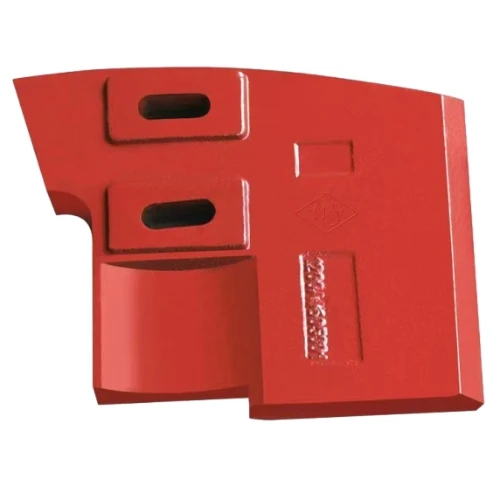
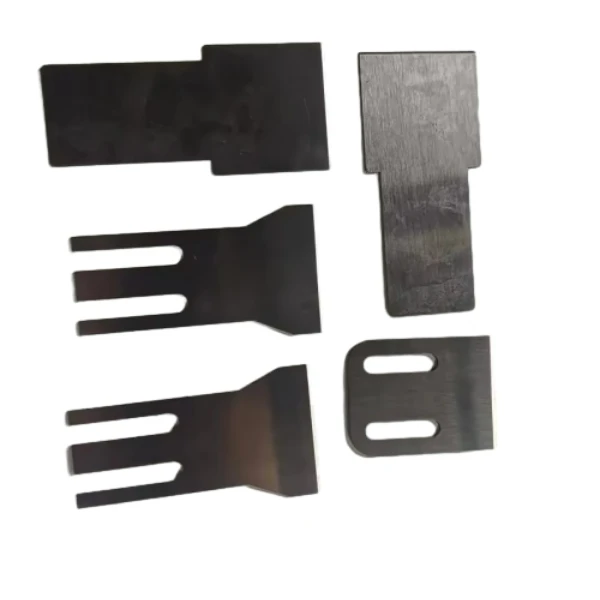
Currently, many local factories rely on imported generic tools that lack the specific hardness profiles required for heavy-duty shear slitting knives. This results in increased downtime for blade replacement and inconsistent edge quality in metal sealing applications, hindering the productivity of Sri Lankan industrial zones.
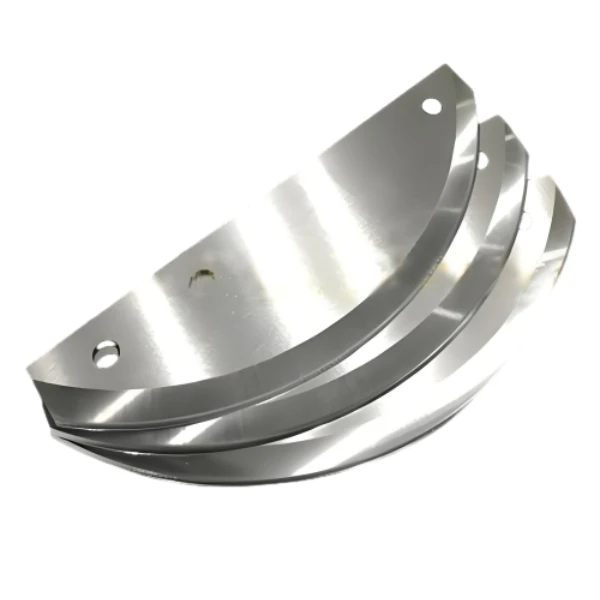
Furthermore, the growth of the local food processing industry has created a surge in demand for specialized tomato slicer blades. The need for hygienic, corrosion-resistant, and ultra-sharp edges is now a critical priority for manufacturers aiming to meet international export standards for agricultural products.