
See us at E-Waste World Expo 2026 ( Booth D136 ) June 17-18th , Messe Frankfurt, Germany

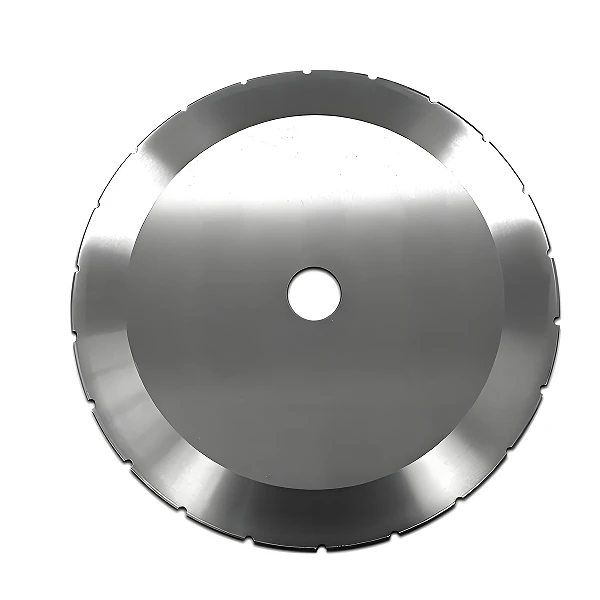
High-Precision rotary slitter knives Solutions for Tajikistan Industry

Empowering Tajikistan's general equipment manufacturing with world-class metal sealing and precision cutting components tailored for extreme durability.

High-Precision rotary slitter knives Solutions for Tajikistan Industry

Providing the Tajikistan manufacturing sector with cutting-edge precision blades that ensure seamless operational efficiency and minimized material waste in metal sealing and general component production.

Industrial Cutting Landscape in Tajikistan

Analyzing the operational challenges and material demands of the Tajik manufacturing sector.

Tajikistan's manufacturing landscape is characterized by a transition toward modernized general equipment production. Due to the region's significant mineral wealth and developing industrial zones, there is a growing demand for robust slitting machine blades capable of handling high-stress loads in varying thermal environments.

The local industry faces unique challenges, including the need for tools that resist rapid wear and tear caused by the specific mineral compositions of locally sourced metals. This has led manufacturers to move away from generic tools toward specialized straight cutting blade designs that offer higher stability and precision.

Currently, the integration of high-performance metal sealing components is critical for the energy and mining sectors in Tajikistan. This shift requires a reliable supply of precision-engineered edges to maintain the integrity of seals and gaskets used in heavy-duty industrial machinery.
Evolution of Cutting Technology in Central Asia

From traditional mechanical shearing to AI-driven precision slitting.

Market Development History

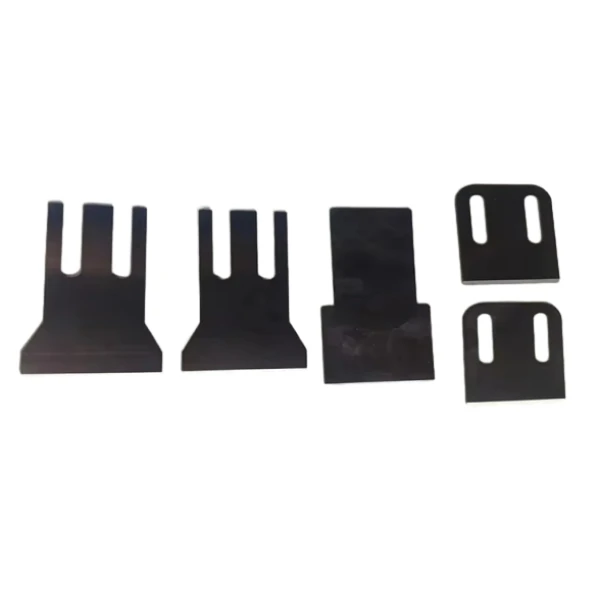
In the late 20th century, Tajikistan relied heavily on Soviet-era heavy machinery characterized by manual operations and low-tolerance cutting. During this phase, basic shear slitting knives were the standard, focusing on volume over precision.

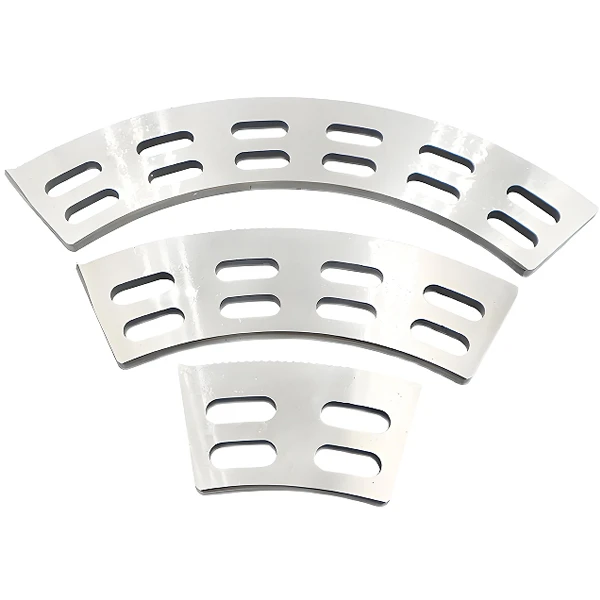
By the 2010s, the industry began adopting automated CNC equipment. This transition marked a shift toward high-carbon steel and tungsten carbide materials, allowing for the implementation of rotary slitter knives that significantly reduced downtime for blade changes.

From 2020 onwards, the focus has pivoted toward "smart manufacturing," where the synergy between material science and geometry optimization has enabled the production of hyper-specialized tools like tomato slicer blades for the growing agricultural processing sector in the Fergana Valley region.

Future Development Trends

Nano-Coating Integration

The adoption of DLC (Diamond-Like Carbon) coatings to extend the lifespan of blades by 300% in abrasive environments.

Predictive Wear Analytics

Using IoT sensors to monitor the edge degradation of blades in real-time, moving from scheduled to condition-based maintenance.

Eco-Friendly Material Sourcing

A shift toward recyclable high-grade alloys to meet new international environmental standards for industrial exports from Tajikistan.

Future Trends and Strategic Outlook

Navigating the next era of precision tooling in the Tajik industrial corridor.

Precision Automation
Integration of robotic arm precision with high-speed slitting technology to eliminate human error in Tajikistan's factories.
Advanced Metallurgy
Development of cobalt-enriched alloys specifically designed for the abrasive dust environments of Tajikistan's mining regions.
Customized Geometry
Shift toward bespoke blade profiles that optimize cutting force based on specific material density.
Rapid Prototyping
Implementing 3D-simulated cutting tests to reduce the lead time for custom blade orders in Dushanbe.

Industry Outlook

Google search trends indicate a rising interest in "industrial efficiency" and "precision tooling" within the Tajikistan region. As the country strengthens its trade ties, the demand for components that meet ISO standards will skyrocket, making high-quality slitting machine blades essential for export-grade manufacturing.

Over the next 3-5 years, we anticipate a convergence of additive manufacturing and traditional forging, allowing for blade interiors with variable density to maximize edge retention while reducing overall tool weight.

Localized Applications in Tajikistan

Real-world implementation of precision blades across Tajik industries.

1. Aluminum Foil Processing in Dushanbe

Utilizing rotary slitter knives to process industrial-grade aluminum foil for the packaging of local food exports, ensuring burr-free edges.

2. Agricultural Processing in the Khatlon Region

Deploying specialized tomato slicer blades in automated canning lines to maintain consistent slice thickness for high-volume exports.

3. Metal Sealing Production for Mining

Application of straight cutting blade technology to create high-precision metal gaskets for hydrothermal power plant equipment.

4. Steel Sheet Slitting for Construction

Implementing heavy-duty shear slitting knives to prepare corrugated steel sheets used in Tajikistan's rapid urban infrastructure expansion.

5. Textile Material Cutting in Industrial Zones

Using precision slitting solutions to cut industrial fabrics and synthetic materials for the local garment manufacturing sector.

Brand Story

Global Development Journey of Hebei Shunou Technology Co., Ltd.

Foundation of Precision

Started as a specialized workshop focusing on high-carbon steel cutting edges, solving the fundamental pain point of rapid blade dulling.

Technological Breakthrough

Invested in vacuum heat treatment technologies to significantly enhance the hardness and toughness of industrial slitting knives.

Global Expansion

Expanded operations into Central Asia, providing customized solutions for the unique metallurgical requirements of the Tajikistan market.

Quality Certification

Achieved international ISO certifications, ensuring every blade produced meets the most stringent global precision standards.

Future Vision

Committed to leading the "Green Cutting" revolution by developing energy-efficient tooling that reduces waste in general equipment manufacturing.

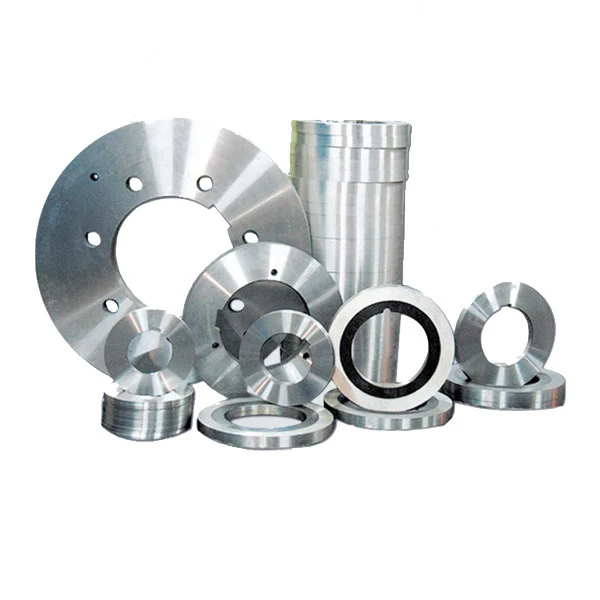
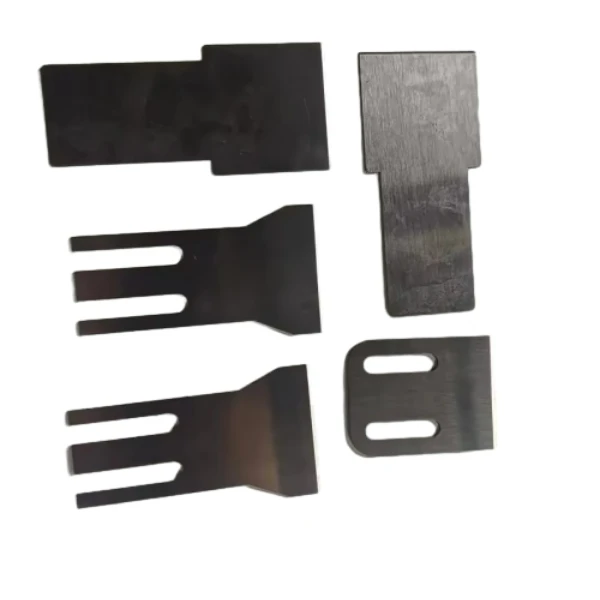
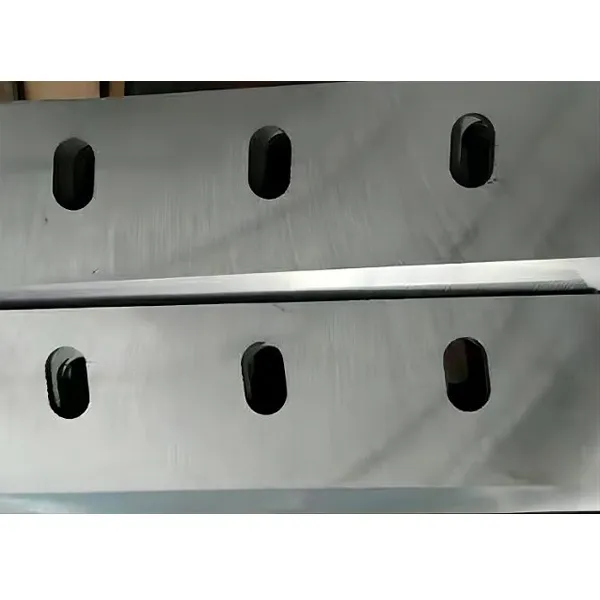
Comprehensive Cutting Component Portfolio for Tajikistan

A one-stop shop for all metal sealing and general component cutting needs.

Common Industrial Inquiries in Tajikistan

Expert answers to technical challenges faced by Tajik manufacturers.

How to extend the life of slitting machine blades in dusty environments?

Implementing a regular cleaning cycle and using titanium-nitride coatings can significantly reduce abrasion caused by ambient particles common in Tajikistan's industrial zones.

What is the best material for rotary slitter knives used in aluminum processing?

Tungsten carbide is recommended for its extreme hardness and ability to maintain a sharp edge during high-speed rotary operations.

Can tomato slicer blades be customized for specific local produce sizes?

Yes, we provide bespoke geometry services to ensure the blade pitch and thickness align perfectly with the specific varieties of produce grown in Tajikistan.

How to prevent burrs when using a straight cutting blade on thick metal?

Optimizing the clearance between the upper and lower blades and ensuring precise alignment is key to achieving a clean, burr-free cut.

What are the signs that shear slitting knives need regrinding?

Increased material deformation, visible edge chipping, and a rise in machine vibration are clear indicators that your shear knives require professional sharpening.

Do you offer shipping and technical support for Tajikistan?

Yes, we provide specialized logistics to Dushanbe and Khujand, along with remote technical consultation for installation and optimization.

Optimize Your Production Line Today

Ready to upgrade your precision tooling? Contact our experts for tailored solutions delivered directly to Tajikistan.

Contact Us Now

If you are interested in our products, you can choose to leave your information here, and we will be in touch with you shortly.