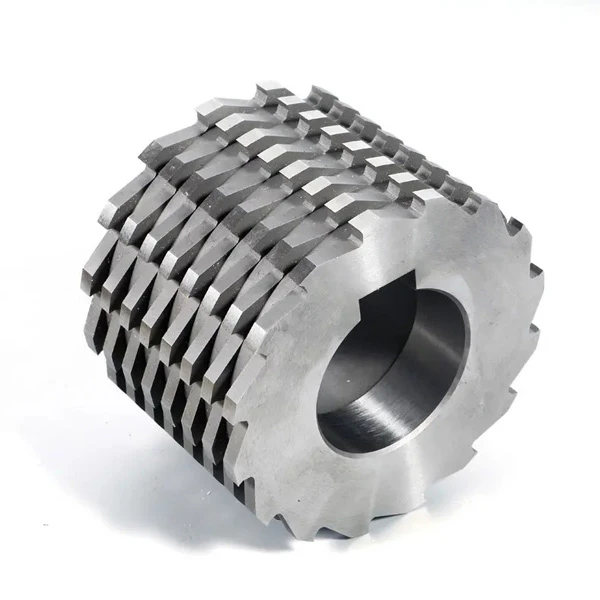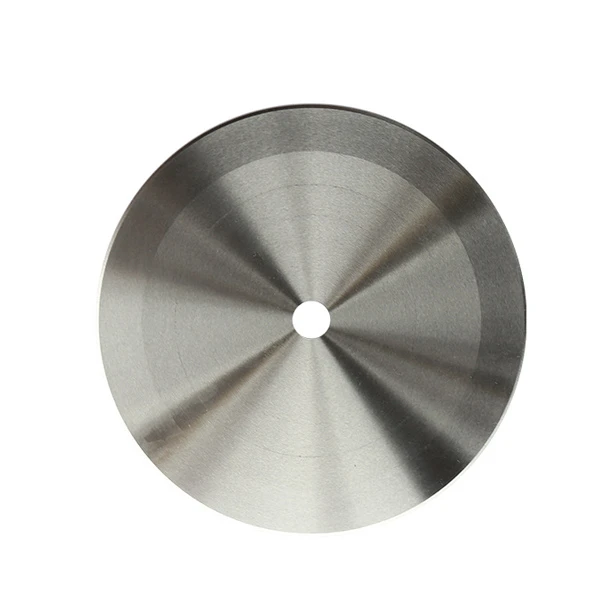
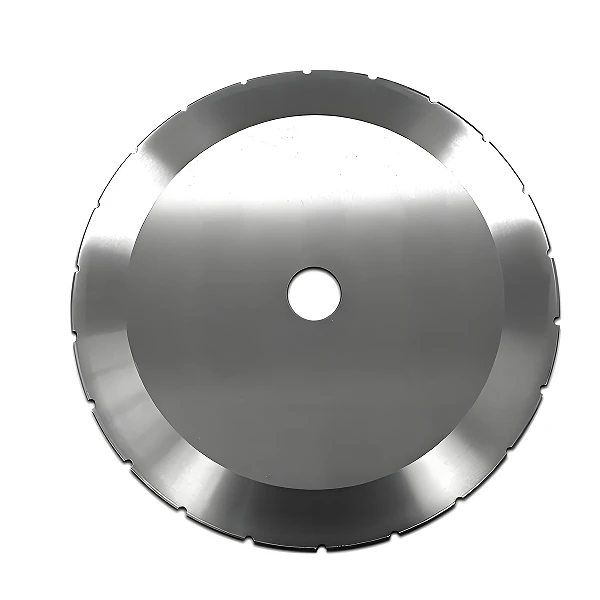
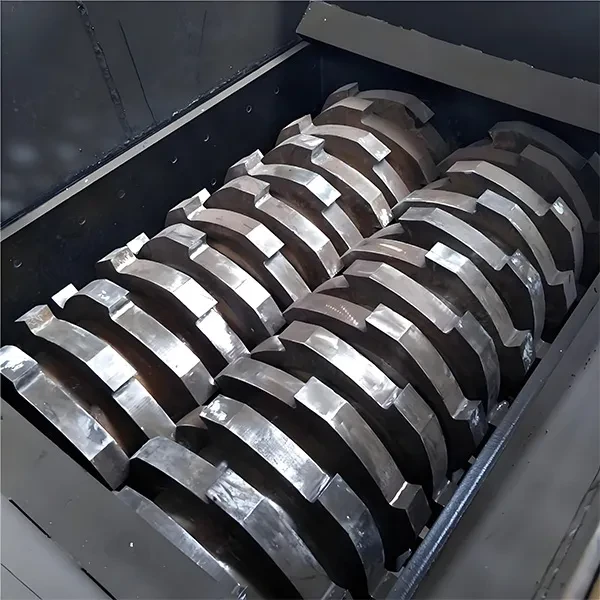
Thailand's manufacturing sector, particularly in the Eastern Economic Corridor (EEC), faces unique challenges due to high humidity and temperature, which accelerate the wear and oxidation of slitting machine blades. Local factories are increasingly shifting from general-purpose tools to specialized alloy steels to maintain tight tolerances.
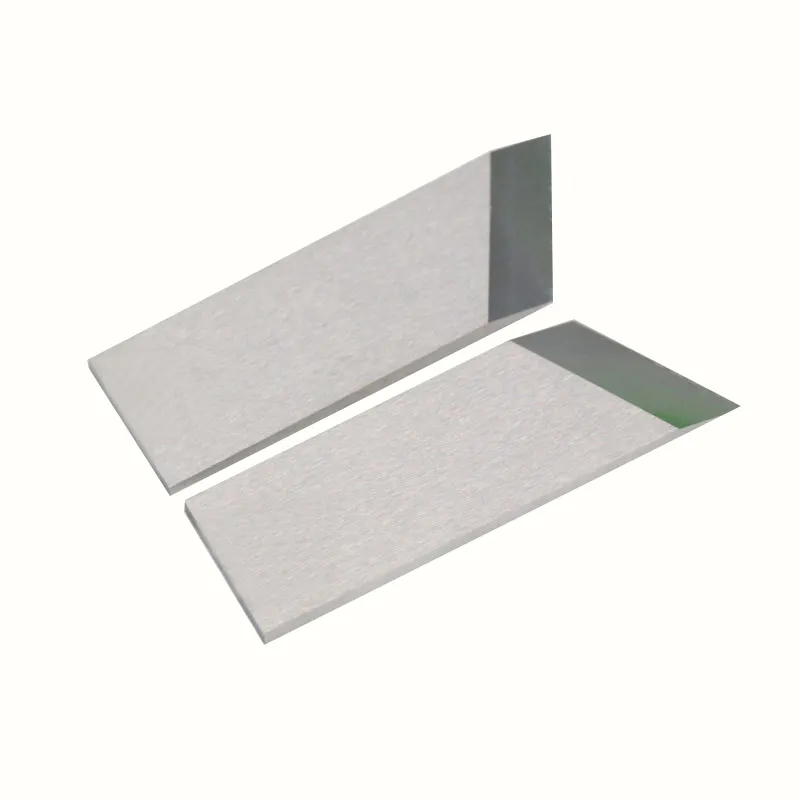
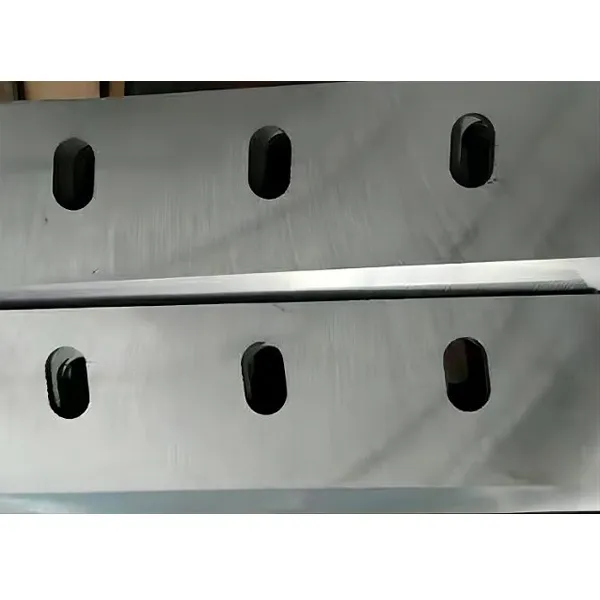
The rapid expansion of the automotive and electronics parts industry in Thailand has led to a surging demand for straight cutting blade options that can handle high-volume throughput without sacrificing edge integrity, especially in the production of metal seals.
Currently, many Thai enterprises are upgrading their legacy equipment to incorporate shear slitting knives to reduce material waste and energy consumption, aligning with the government's "Industry 4.0" initiative for sustainable manufacturing.