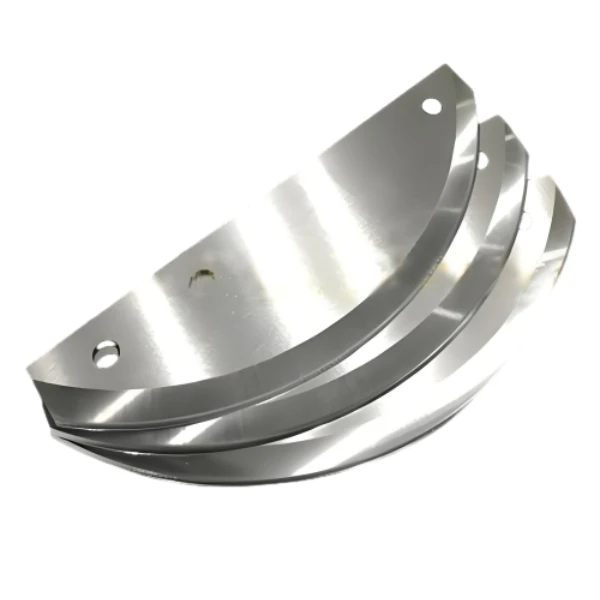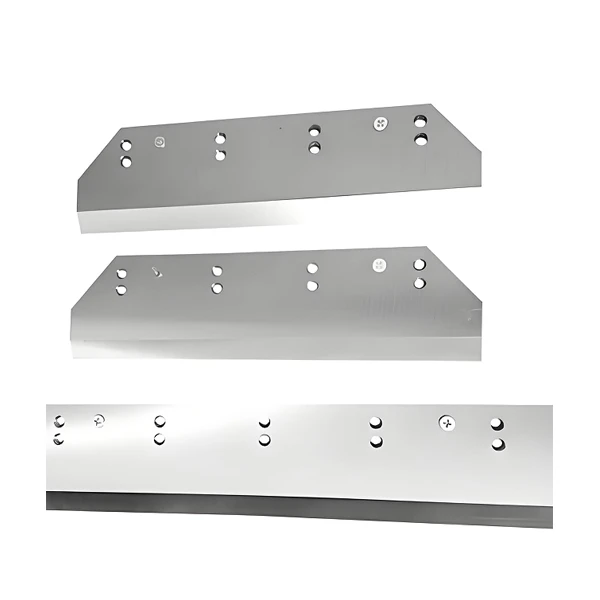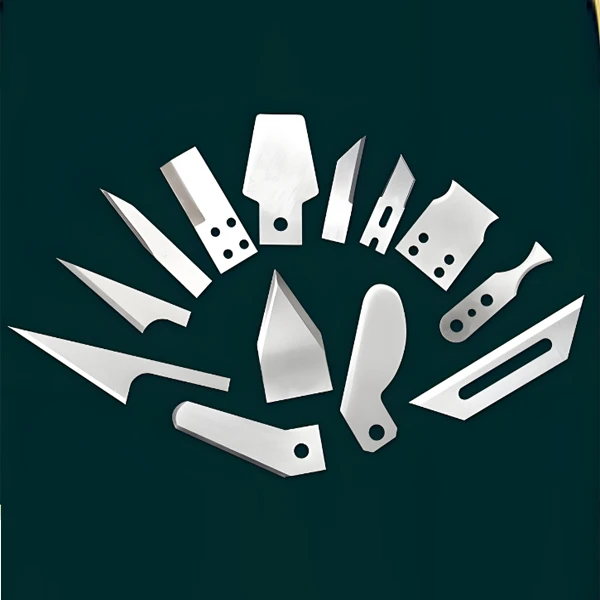
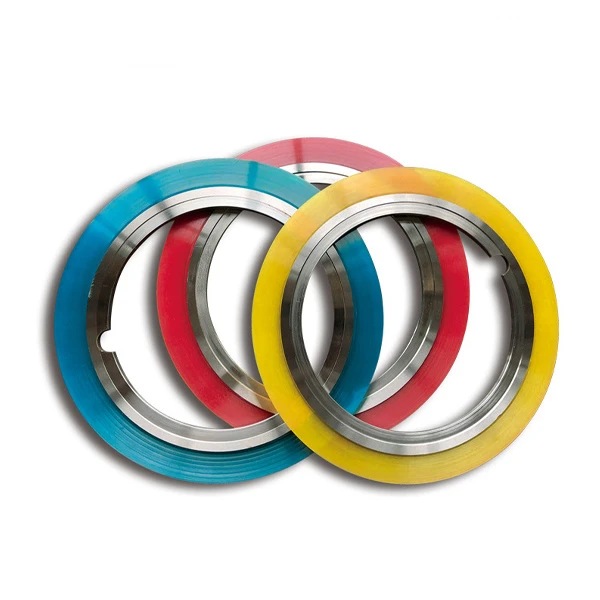
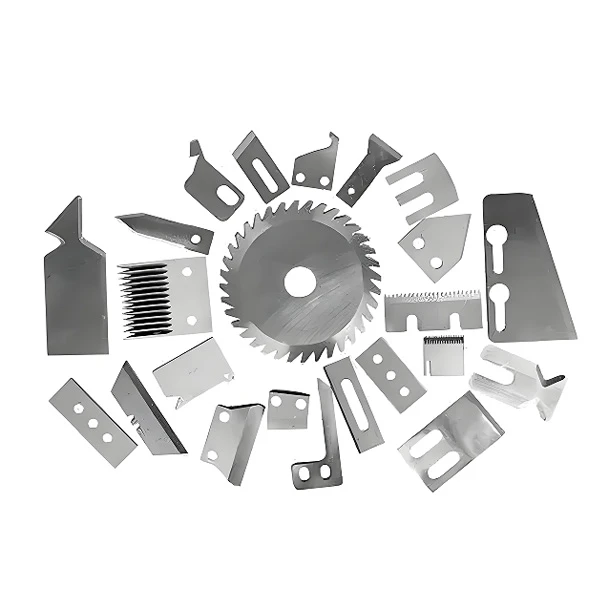
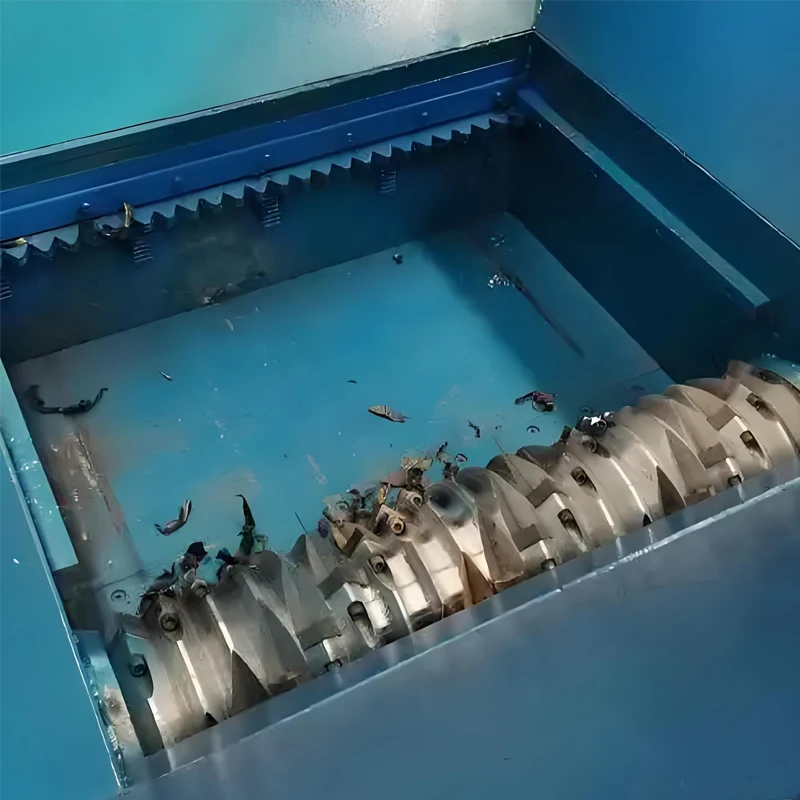

The manufacturing sector in Libya, particularly in the general equipment and metal components field, operates under unique geographic pressures. The arid climate and presence of abrasive airborne sand significantly accelerate the wear and tear on slitting machine blades, necessitating materials with higher hardness and superior corrosion resistance.
Currently, the local market relies heavily on imported precision tools. The demand for straight cutting blade options is driven by the growing packaging and basic metal processing industries in urban hubs like Tripoli and Benghazi, where consistency in cutting width is critical for downstream quality.
Despite economic fluctuations, there is a clear shift toward upgrading legacy machinery. Libyan factories are increasingly replacing old carbon-steel tools with high-alloy tungsten carbide alternatives to reduce downtime caused by frequent blade replacements in harsh desert environments.