
See us at E-Waste World Expo 2026 ( Booth D136 ) June 17-18th , Messe Frankfurt, Germany

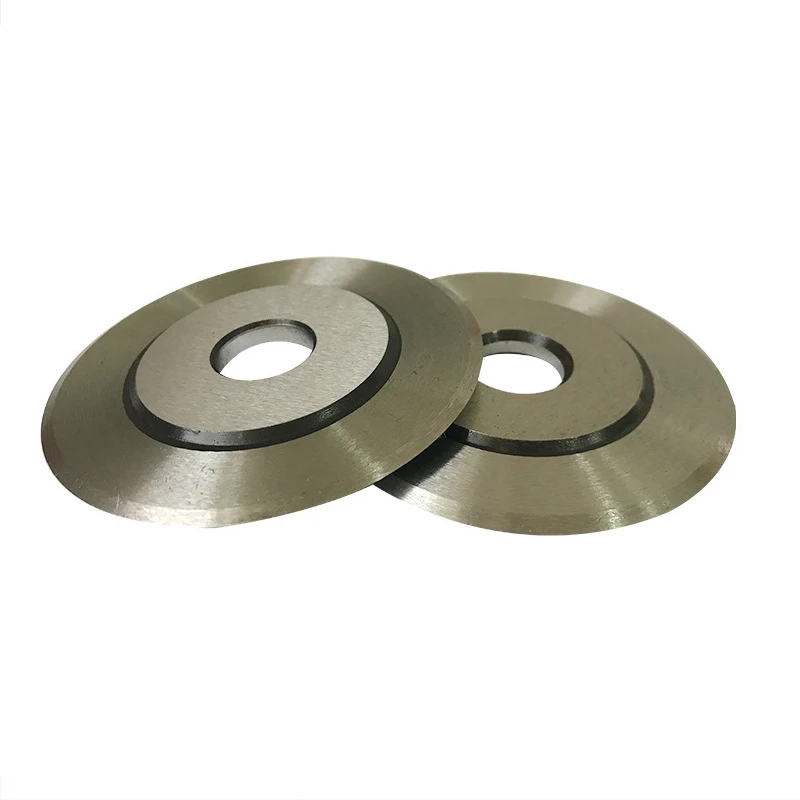
Industrial Cutting Solutions: Precision rotary slitter knives for Russia

High-performance precision cutting components engineered for the rigorous demands of the Russian heavy industrial and food processing sectors.

Industrial Cutting Solutions: Precision rotary slitter knives for Russia

Providing the Russian manufacturing sector with ultra-durable cutting edges, from heavy-duty metallurgy to precision food slicing, ensuring zero-defect production cycles.

Industrial Cutting Landscape in Russia

Analyzing the operational challenges of metal sealing and component manufacturing in the Eurasian region.

The Russian manufacturing landscape is characterized by large-scale industrial hubs and extreme climatic variance. For companies utilizing slitting machine blades, the primary challenge lies in material stability under severe temperature fluctuations, which can affect the thermal expansion of precision components and lead to premature edge wear.

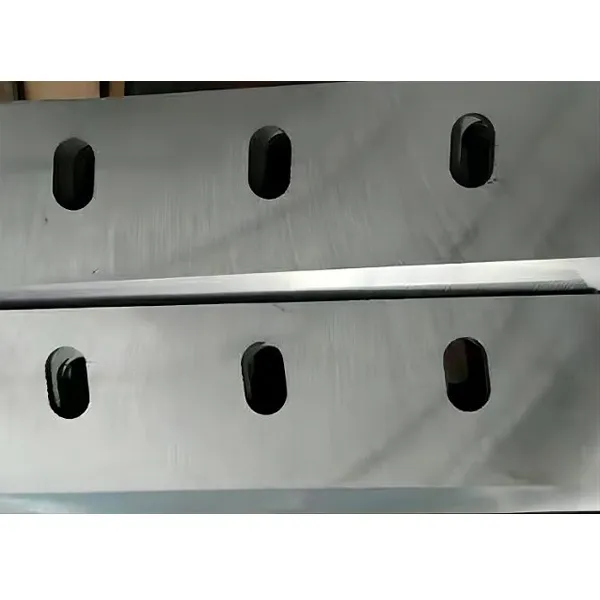
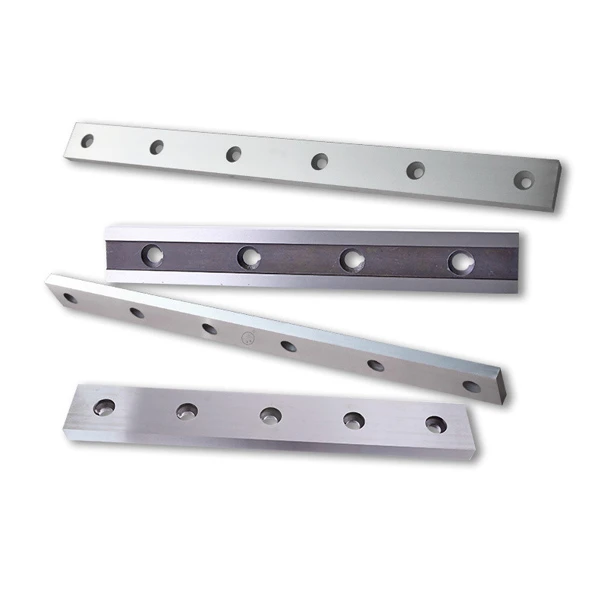
In the metallurgy and general equipment sectors, there is a strong reliance on heavy-duty machinery. This necessitates the use of shear slitting knives that can withstand high impact and continuous stress without losing structural integrity, particularly in the production of metal seals and automotive parts.

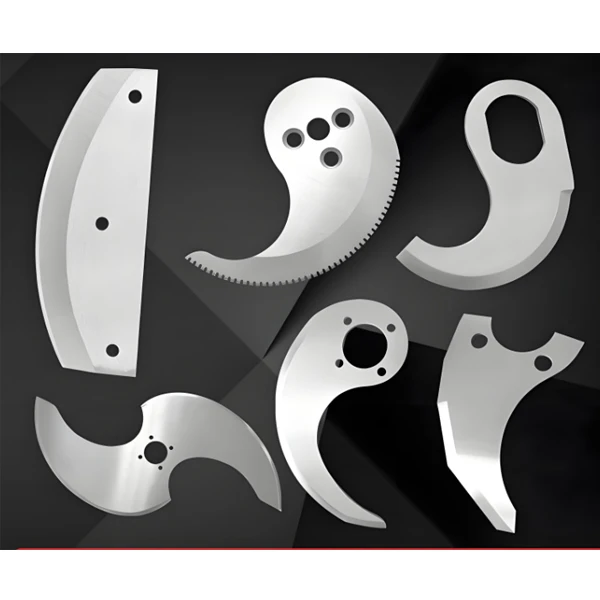
Simultaneously, the Russian food processing industry is undergoing rapid modernization. This has led to an increased demand for specialized tomato slicer blades that combine food-grade stainless steel properties with high-precision geometry to reduce waste in large-scale canning operations.
Technological Evolution of Cutting Components

From traditional carbon steels to advanced tungsten carbide coatings.

Market Development History

Prior to 2010, the Russian market relied heavily on traditional high-carbon steel tools. These were functional but required frequent sharpening, leading to significant downtime in general equipment manufacturing.

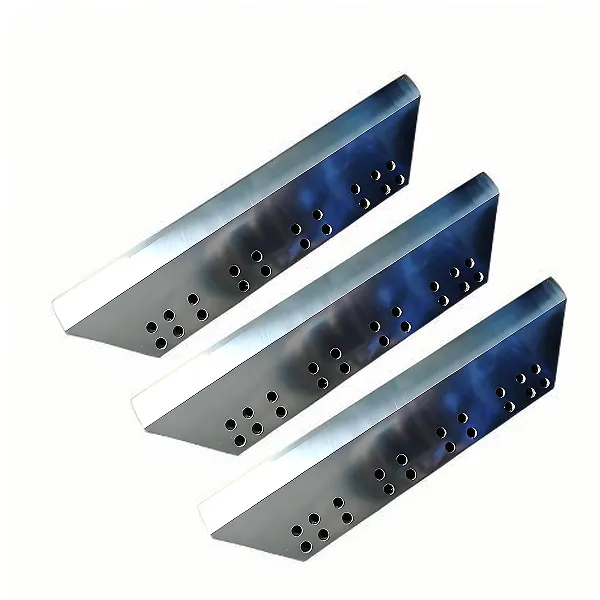
Between 2011 and 2018, there was a decisive shift toward powder metallurgy. The introduction of high-grade straight cutting blade technology allowed for longer run-times and tighter tolerances in metal sealing production.

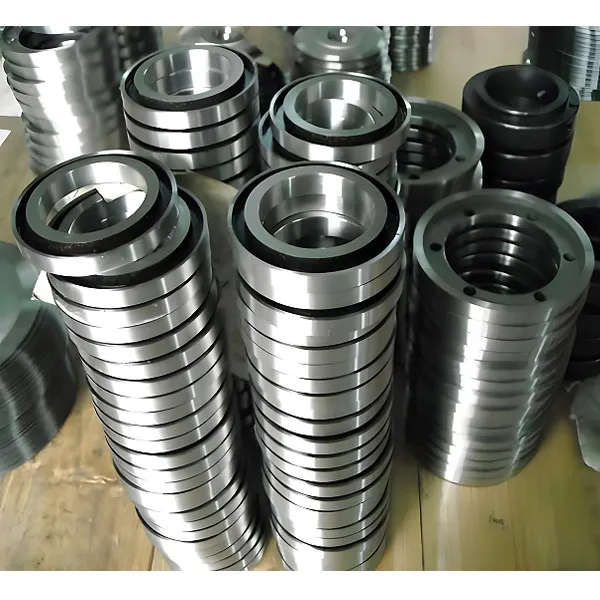
Since 2019, the integration of PVD and CVD coatings has become the standard. This evolution has transformed the durability of rotary tools, allowing them to handle abrasive materials without compromising the edge radius.

Future Development Trends

AI-Driven Wear Monitoring

Integrating sensors into cutting assemblies to predict the exact moment a blade requires replacement, reducing unplanned stops.

Nano-Structured Materials

The adoption of nano-crystalline alloys to increase the hardness-to-toughness ratio for extreme industrial applications.

Cryogenic Treatment Processes

Implementing deep-freeze treatment to stabilize the molecular structure of steel, significantly extending the life of high-speed cutting edges.

Industry Outlook and Future Projection

Strategic directions for the next 3-5 years in the Russian industrial sector.

Automation Integration
Transitioning from manual blade changes to automated tool changers to maximize OEE.
Material Localization
Developing high-performance alloys within Russia to reduce supply chain dependencies.
Green Manufacturing
Focusing on energy-efficient cutting processes and recyclable blade materials.
Precision Scaling
Moving toward micron-level accuracy for advanced aerospace and medical components.

Industry Outlook

Google search trends indicate a rising interest in "industrial automation" and "high-wear resistant materials" within the Russian industrial sector. This suggests a pivot toward reducing operational overhead through higher-quality tool steel.

The synergy between metallurgy and digital monitoring will define the next era. Companies that adopt hybrid-coated tools will see a 30% reduction in maintenance costs, securing a competitive edge in the Eurasian market.

Localized Application Scenarios in Russia

Real-world deployments of high-precision cutting tools in diverse Russian environments.

1. Ural Metallurgy Centers

Deploying shear slitting knives for the processing of heavy-gauge alloy sheets used in pipeline construction across Siberia.

2. Moscow Region Packaging Hubs

Utilizing high-speed slitting machine blades for the production of flexible polymer packaging for the consumer electronics market.

3. Southern Russia Food Processing

Implementation of customized tomato slicer blades in Krasnodar's canning plants to ensure consistent slice thickness during peak harvest.

4. St. Petersburg Aerospace Components

Using rotary slitter knives for the precision trimming of titanium and aluminum foil for aircraft insulation.

5. Siberian Industrial Sealing Plants

Applying straight cutting blade systems for the high-volume production of oil-resistant rubber and metal gaskets.

Brand Story

Global Development History of Hebei Shunou Technology Co., Ltd.

The Foundation of Precision

Established with a focus on solving the instability of tool edges in general equipment manufacturing, pioneering the use of vacuum heat treatment.

Technological Breakthrough

Perfecting the alloy composition for high-speed rotation, reducing friction coefficients and extending blade life by 40%.

Global Market Expansion

Entering the Eurasian market by tailoring products to the extreme temperature requirements of Russian industrial plants.

Innovation in Food Grade Tech

Expanding into the food sector with antimicrobial and corrosion-resistant coatings for the agricultural processing industry.

The Vision for Industry 4.0

Committing to the development of "smart blades" that integrate with digital twins for real-time efficiency optimization.

Comprehensive Cutting Portfolio for Russia

Integrated solutions for metal sealing and general component manufacturing.

Russian Industrial Cutting FAQ

Expert answers to technical queries regarding high-performance blades.

How to prevent wear on slitting machine blades in cold climates?

Using specialized cryogenic treatments and low-temperature lubricants prevents the steel from becoming brittle and reduces thermal shock during operation in Russian winters.

What is the best material for rotary slitter knives used in metal seals?

Tungsten carbide with a TiAlN coating is recommended for its extreme hardness and heat resistance, ensuring clean cuts through tough metal sealing materials.

Can tomato slicer blades be customized for specific Russian produce?

Yes, we offer custom pitch and thickness adjustments to match the specific density and size of regional tomato varieties to maximize yield.

How often should a straight cutting blade be reground?

Depending on the material hardness, regrinding is typically required every 50,000 to 200,000 cycles. We recommend monitoring the burr height for precise timing.

What causes chipping in shear slitting knives?

Chipping is often caused by misalignment of the blade gap or the presence of foreign contaminants in the metal sheet. Ensuring precise calibration is key.

Are your blades compatible with European standard machinery?

Our products are manufactured to international ISO standards, ensuring 100% compatibility with all major European and Russian machine brands.

Optimize Your Production Today

Get expert technical consultation for high-precision cutting components tailored for the industrial demands of Russia.

Contact Us Now

If you are interested in our products, you can choose to leave your information here, and we will be in touch with you shortly.