
See us at E-Waste World Expo 2026 ( Booth D136 ) June 17-18th , Messe Frankfurt, Germany

Industrial Precision Cutting Solutions for rotary slitter knives in Cambodia

Engineered for durability and high-performance metal sealing and general component manufacturing across the Cambodian industrial landscape.

Industrial Precision Cutting Solutions for rotary slitter knives in Cambodia

Providing top-tier precision cutting components tailored for the garment, packaging, and electronics manufacturing sectors in Cambodia, ensuring seamless production and minimal downtime.

Current State of Cutting Tool Manufacturing in Cambodia

Analyzing the operational challenges and environmental impacts on industrial blade wear.

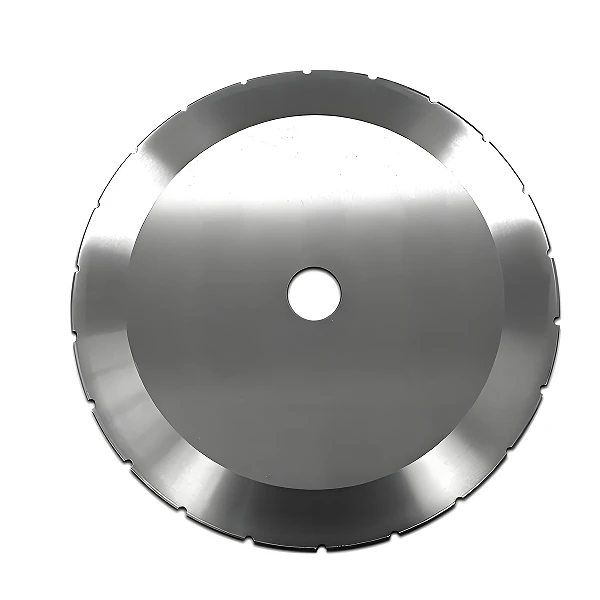
Cambodia's manufacturing sector, particularly in Special Economic Zones (SEZs), relies heavily on imported high-precision tools. The high humidity and tropical climate of Asia - Cambodia accelerate the oxidation process of standard steel, making the demand for high-chromium slitting machine blades critical for maintaining edge sharpness in long-term operations.

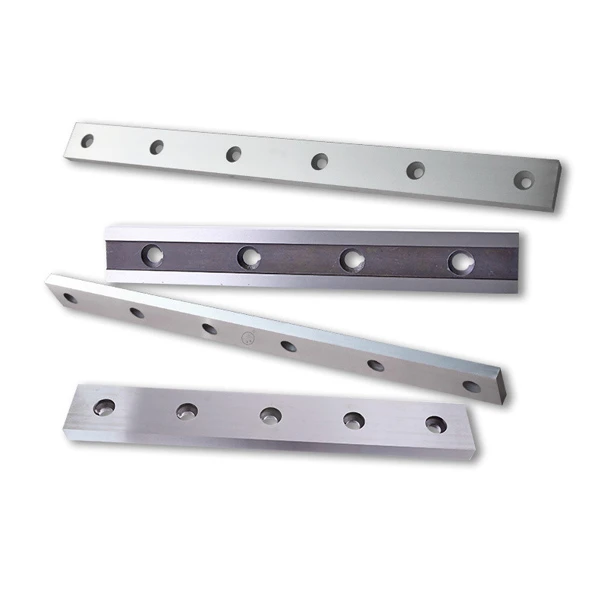
Currently, many local factories utilize basic tooling that requires frequent replacements. The shift toward higher automation in garment and packaging industries has created a gap where traditional tools cannot meet the tolerances required for modern straight cutting blade applications, leading to increased material waste.

Furthermore, the rise of agri-processing exports in the region has sparked a niche but growing need for specialized food-grade equipment, specifically high-durability tomato slicer blades that can withstand acidic environments and high-volume output without losing structural integrity.
Evolution and Trajectory of Precision Slitting Technology

From manual shearing to automated high-speed rotary systems.

Market Development History

In the early 2000s, Cambodian manufacturing primarily used manual shear tools. The process was labor-intensive, relying on basic shear slitting knives for simple material separation, which offered low precision and high variance in cut width.

Between 2010 and 2018, the influx of foreign investment in electronics and packaging led to the introduction of semi-automated rotary systems. This era marked the transition toward tungsten carbide coatings, significantly extending the lifespan of cutting components in tropical industrial settings.

From 2019 to the present, the industry has moved toward "Smart Cutting." This involves the integration of CNC-controlled precision and the use of ultra-hard alloys that allow for micron-level accuracy, reducing the total cost of ownership for Cambodian plant managers.

Future Development Trends

AI-Driven Wear Prediction

Integration of sensors to monitor the degradation of blade edges in real-time, allowing for predictive maintenance before failure occurs.

Nano-Coating Technology

Adoption of DLC (Diamond-Like Carbon) coatings to further combat the corrosive humidity of the Southeast Asian climate.

Sustainability and Circularity

A shift toward recyclable high-grade alloys and professional regrinding services to reduce the environmental footprint of industrial waste.

Future Outlook for Industrial Component Manufacturing

Strategic projections for the next 3-5 years based on Google search trends and regional growth.

Automation Integration
Rapid adoption of fully automated slitting lines to replace manual labor in SEZs.
Material Diversification
Increased demand for blades capable of cutting complex composite materials.
Precision Standards
Migration toward ISO-certified tight-tolerance components for electronics exports.
Eco-Friendly Tooling
Growth in energy-efficient cutting processes to reduce carbon emissions in factories.

Industry Outlook

The Cambodian market is transitioning from a low-cost labor hub to a value-added manufacturing center. This evolution will drive a 15% annual increase in demand for high-end rotary slitter knives as factories aim for higher export quality standards.

We anticipate that the synergy between local industrial growth and advanced metallurgy will lead to a more robust supply chain, where precision-engineered components become the standard rather than the exception.

Localized Application Scenarios in Cambodia

Real-world implementations of precision cutting tools across key Cambodian industries.

01. Garment Accessory Production

Using high-speed slitting tools to produce precise ribbons and elastic bands for the massive apparel export sector in Phnom Penh.

02. Agricultural Export Processing

Deployment of specialized tomato slicer blades in fruit processing plants to ensure uniform slices for international gourmet markets.

03. Flexible Packaging Conversion

Utilizing precision slitting systems to convert large rolls of plastic film into customized packaging sizes for local FMCG brands.

04. Electronics Component Cutting

Applying micron-accurate blades for cutting conductive tapes and insulating films used in the growing electronics assembly plants.

05. Industrial Seal Manufacturing

Implementing high-durability shearing tools for the production of metal seals and gaskets required for the Cambodian construction industry.

Brand Story

Global Development History of Hebei Shunou Technology Co., Ltd.

Founding Vision

Established with a commitment to solving the core pain point of rapid blade wear in heavy-duty industrial slitting.

Metallurgical Breakthrough

Developed a proprietary heat-treatment process that increased blade hardness by 30% without sacrificing toughness.

Global Expansion

Expanded operations into Southeast Asia, tailoring solutions for the specific environmental challenges of Cambodia.

Certification Milestone

Achieved international quality certifications, ensuring every blade meets the strictest global tolerances.

Future Innovation

Currently investing in AI-driven design to create the next generation of self-sharpening industrial knives.

Comprehensive Cutting Tool Portfolio for Cambodia

A full range of high-performance blades designed for the diverse needs of Cambodian manufacturing.

Frequently Asked Questions in Cambodia

Technical guidance and common inquiries regarding industrial slitting blades.

How to choose the right grade of slitting machine blades for humid climates?

For Cambodia's humidity, we recommend high-chromium steel or coated tungsten carbide to prevent rust and maintain edge sharpness.

What is the expected lifespan of rotary slitter knives in high-volume production?

Lifespan varies by material, but our premium alloys typically last 3-5 times longer than standard steel blades before needing a regrind.

Can tomato slicer blades be customized for different fruit textures?

Yes, we offer various bevel angles and serration patterns to ensure clean cuts for different food densities and acidity levels.

How do I maintain a straight cutting blade to ensure consistent precision?

Regular cleaning to remove resin buildup and scheduled professional sharpening are key to maintaining micron-level precision.

Are shear slitting knives compatible with older manual machinery?

Absolutely. We manufacture blades to custom specifications to ensure they fit perfectly into legacy equipment used in local workshops.

What lead time can I expect for custom blade orders delivered to Cambodia?

Depending on the complexity, custom orders typically take 10-20 days for production and shipping to major Cambodian ports.

Get Professional Cutting Solutions Today

Our experts are ready to help you optimize your production line in Cambodia. Contact us for a technical consultation.

Contact Us Now

If you are interested in our products, you can choose to leave your information here, and we will be in touch with you shortly.