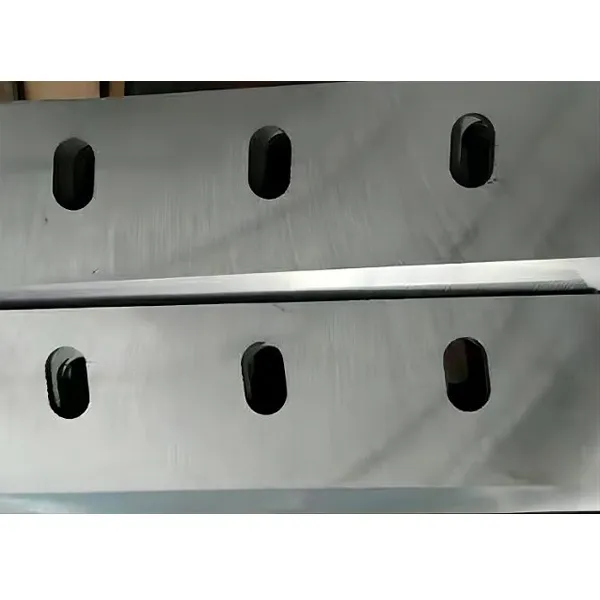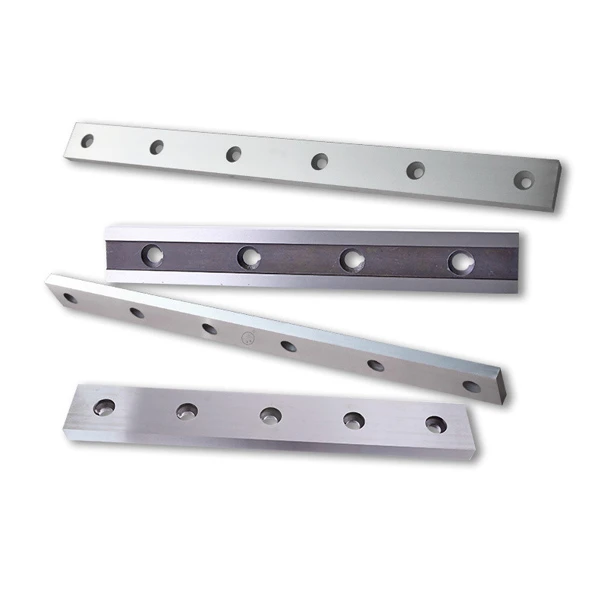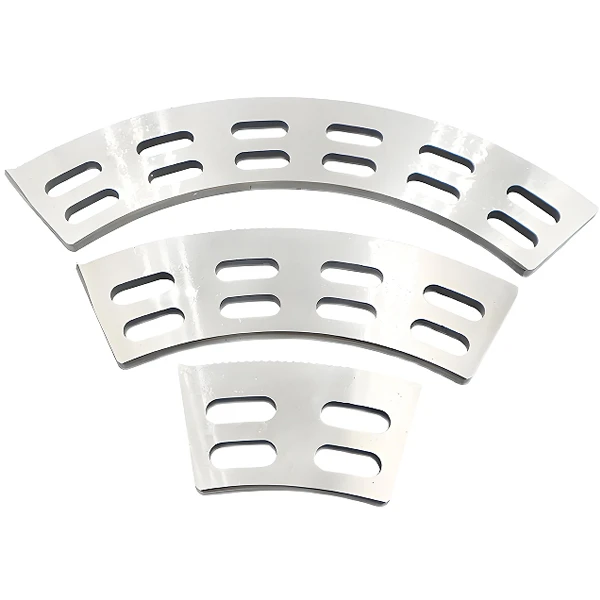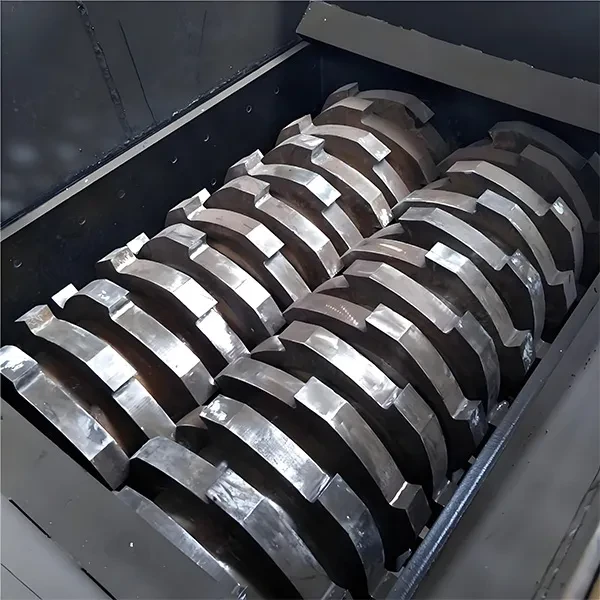
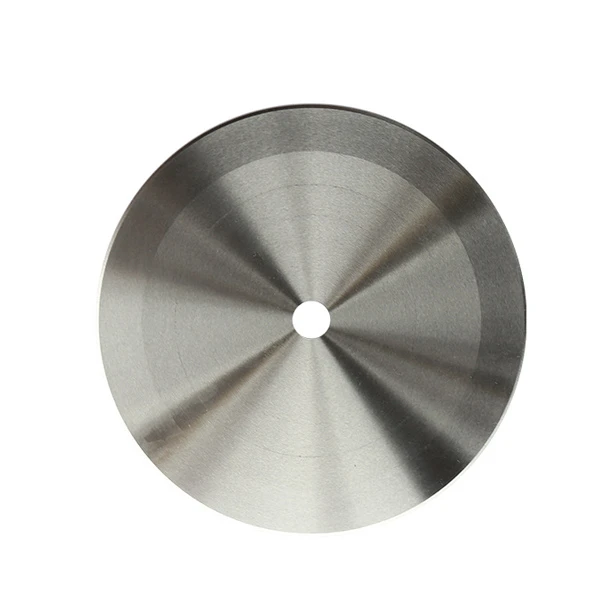

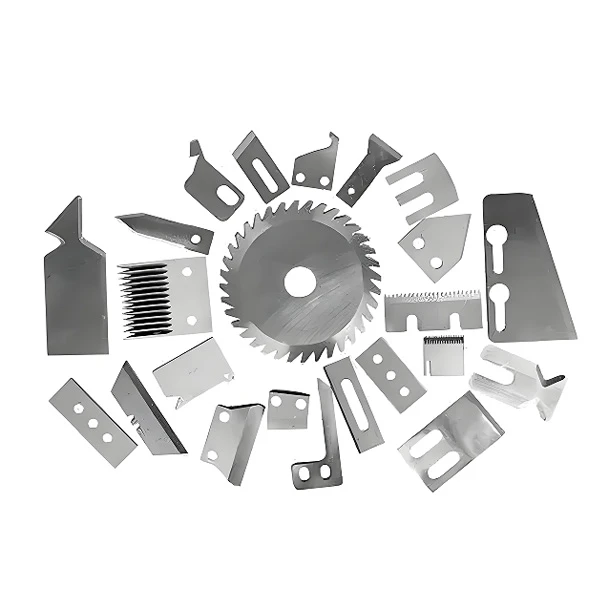
Ireland's manufacturing sector, particularly in general equipment and component production, operates in a high-humidity maritime climate. This environmental factor necessitates that slitting machine blades be treated with advanced anti-corrosive coatings to prevent premature oxidation and edge degradation, ensuring consistent performance in coastal industrial hubs.
The local economy has seen a surge in specialized food processing and pharmaceutical packaging, driving a critical demand for hygienic and ultra-sharp tomato slicer blades. These industries require tools that meet strict EU health standards while maintaining high throughput efficiency to remain competitive in the European market.
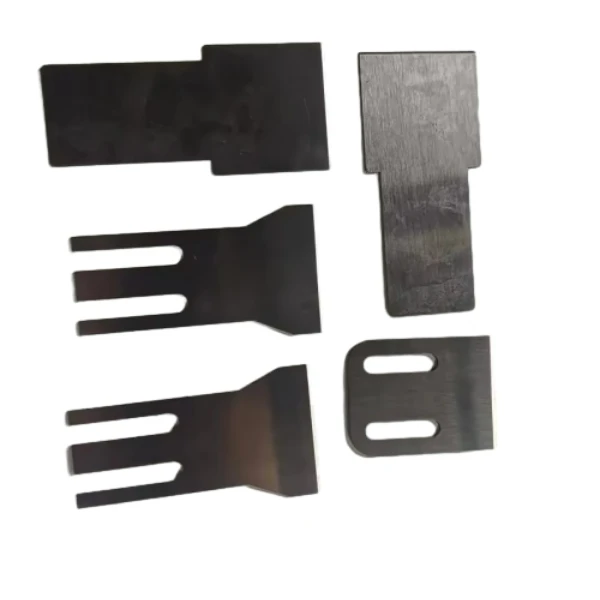
Currently, Irish manufacturers are transitioning from general-purpose steel to tungsten carbide and cobalt-alloyed tools. This shift is evident in the adoption of specialized straight cutting blade designs that reduce material waste and energy consumption, aligning with the national goal of sustainable industrial growth.