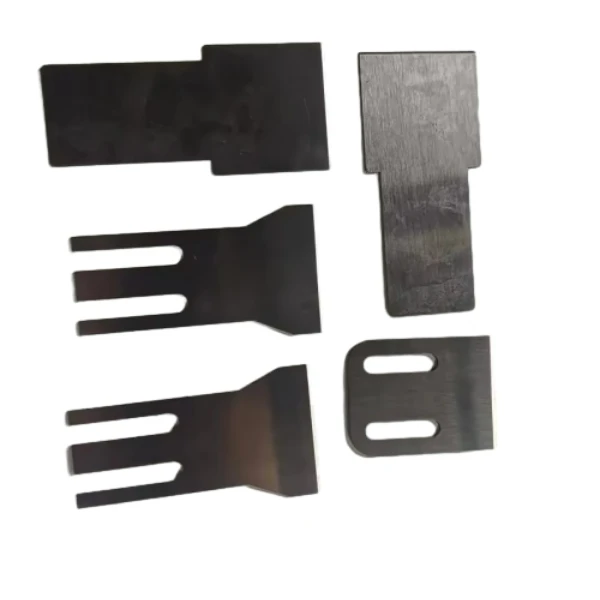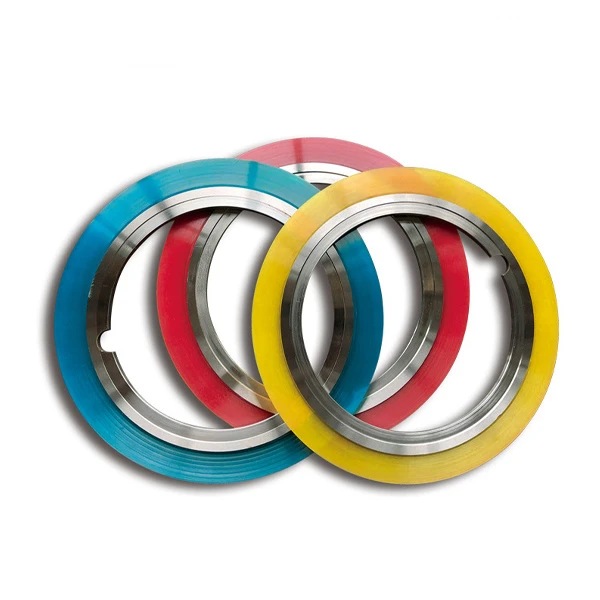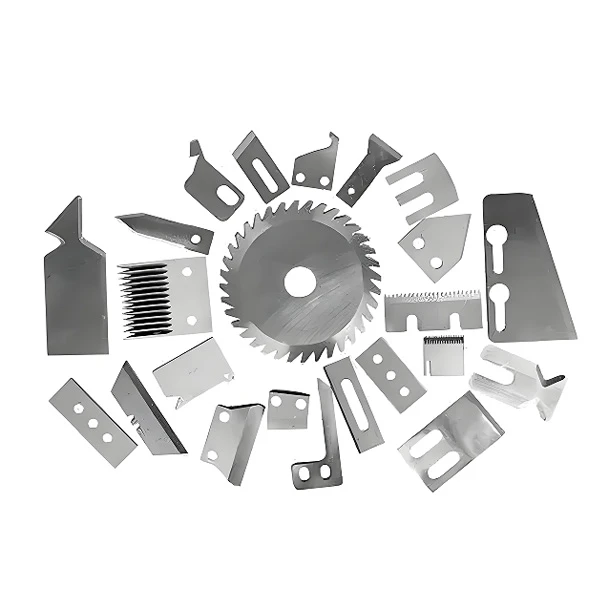
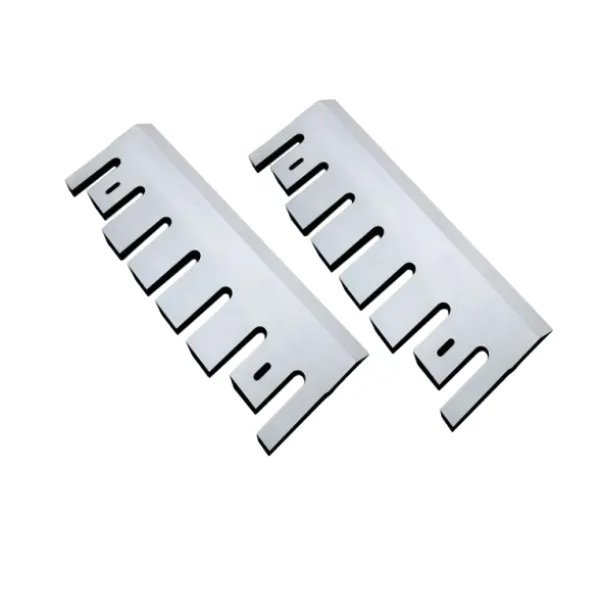
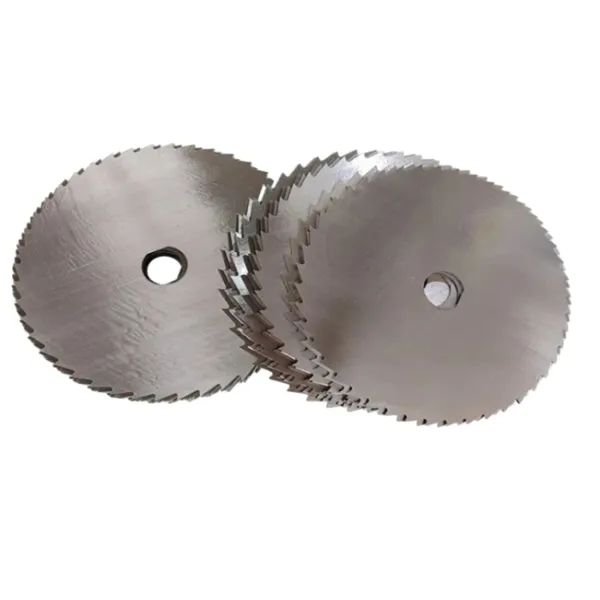
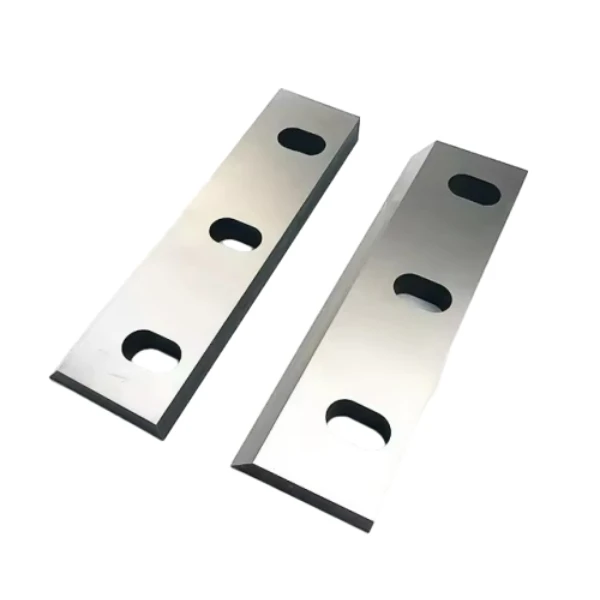
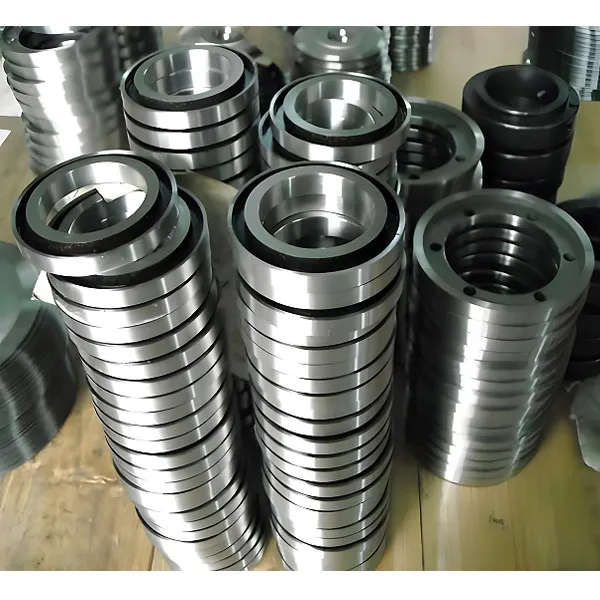
The manufacturing landscape in North Korea is characterized by a strong emphasis on heavy industry and state-led production. The demand for slitting machine blades is driven primarily by the local steel and aluminum processing plants, where consistency in material thickness and cutting precision is critical for downstream component fabrication.
Environmental factors, including significant temperature fluctuations across the peninsula, place immense stress on metal components. This necessitates the use of specialized alloys in shear slitting knives to prevent premature wear and thermal deformation during high-volume industrial cycles.
Currently, the regional market is shifting from generic tool steel to high-tungsten carbide composites. This transition is essential for local factories aiming to increase the lifespan of their consumables while maintaining the tight tolerances required for metal sealing and general equipment manufacturing.