
See us at E-Waste World Expo 2026 ( Booth D136 ) June 17-18th , Messe Frankfurt, Germany

Industrial Precision rotary slitter knives Solutions for Vietnam Manufacturing

High-performance cutting components engineered for the rigorous demands of Vietnam's expanding metal and food processing sectors.

Industrial Precision rotary slitter knives Solutions for Vietnam Manufacturing

Providing Vietnam's industrial hubs with world-class slitting and shearing tools to optimize production efficiency and edge quality.

The State of Precision Cutting in Vietnam

Analyzing the intersection of high-humidity climates and industrial metallurgy.

Vietnam's manufacturing landscape is currently witnessing a massive shift toward high-precision components. In the humid tropical climate of regions like Ho Chi Minh City and Hanoi, the oxidation of slitting machine blades poses a significant challenge, necessitating advanced coatings and superior steel alloys to maintain edge sharpness.

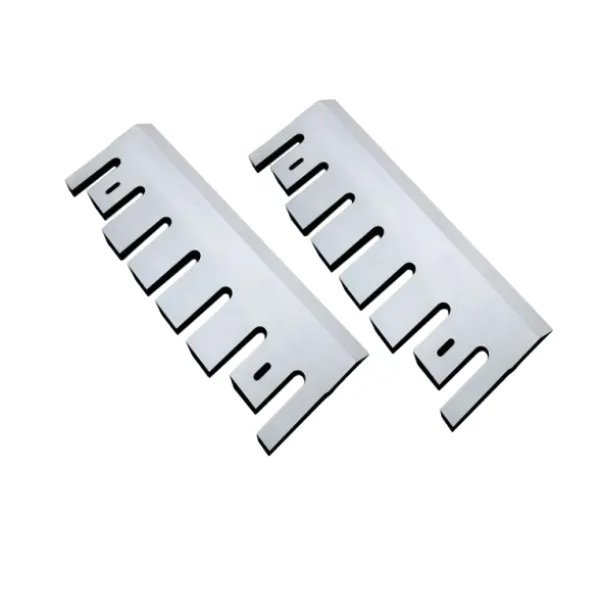
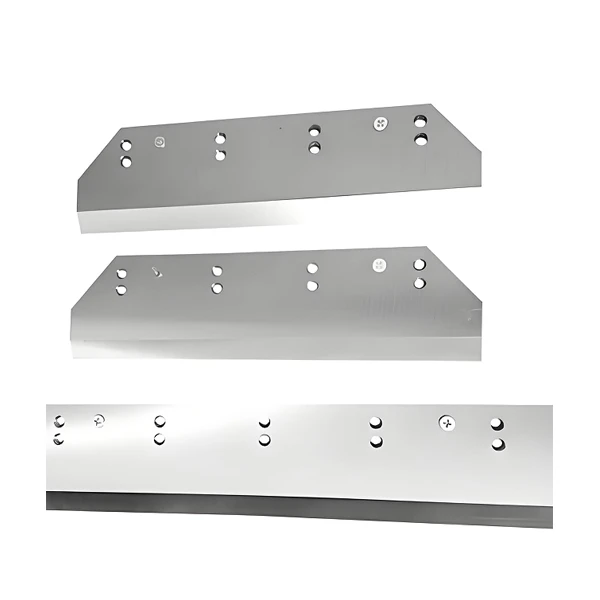
The rise of the electronics and packaging industries in Vietnam has increased the demand for extreme tolerances. Local factories are moving away from generic tools toward specialized straight cutting blade designs that can handle high-speed operation without compromising material integrity.

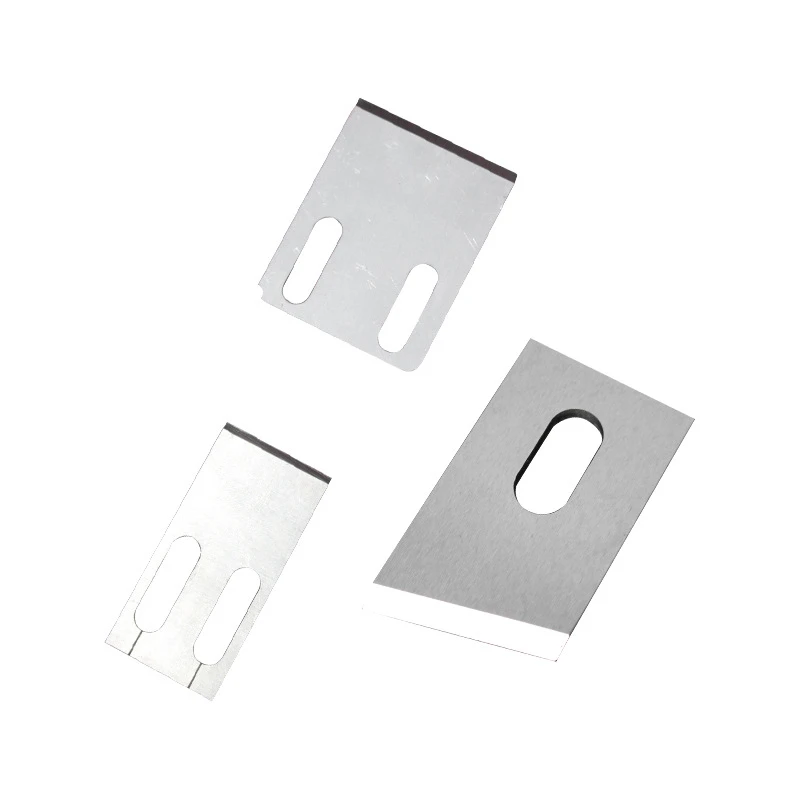
Furthermore, the agricultural processing sector, particularly in the Mekong Delta, is upgrading its automation. The integration of stainless-steel tomato slicer blades has become essential for exporters meeting strict EU and US food safety standards, shifting the market toward hygienic, long-life tooling.
Evolution of Cutting Technology in Southeast Asia

From manual shearing to automated CNC-driven precision.

Market Development History

In the early 2000s, Vietnam's metalworking industry relied heavily on basic carbon steel tools and manual adjustments, where shear slitting knives were often reground locally with minimal precision control.

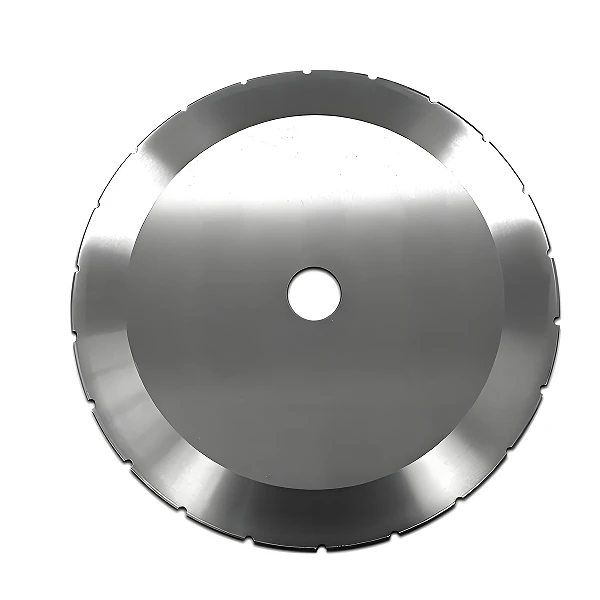
Between 2010 and 2020, the influx of Foreign Direct Investment (FDI) introduced automated slitting lines. This period marked the transition to Tungsten Carbide and high-speed steel (HSS), reducing downtime and improving the consistency of rotary cutting processes.

Today, the focus has shifted to "Industry 4.0" integration. Modern facilities now utilize precision-ground components that synchronize with digital sensors to monitor wear in real-time, ensuring zero-defect production.

Future Development Trends

Nano-Coating Integration

The adoption of TiAlN and DLC coatings to combat the corrosive effects of Vietnam's high humidity, extending blade life by up to 300%.

Sustainable Material Sourcing

A shift toward recyclable high-alloy steels to meet the "Green Manufacturing" goals set by the Vietnamese government for 2030.

Hyper-Precision Tolerances

Moving toward micron-level accuracy in rotary knives to support the growing semiconductor and high-end electronic component market.

Future Outlook for Vietnamese Tooling

Strategic forecasting based on regional industrial growth and search data.

Automation Synergy
Integration of blades with smart sensors to predict replacement cycles.
Alloy Specialization
Custom powder metallurgy to handle diverse Vietnamese industrial materials.
Anti-Corrosive Focus
Developing specific surface treatments for high-humidity tropical zones.
Export Grade Quality
Aligning production quality with global ISO and ASTM standards.

Industry Outlook

Based on regional search trends, there is a growing volume of inquiries regarding "high-speed rotary cutting" and "long-life blade coatings" in Vietnam. This indicates a shift from quantity-based production to quality-driven manufacturing.

We predict that the next 3-5 years will see a 25% increase in the adoption of composite-material blades to handle advanced polymers used in the local automotive and electronics supply chains.

Localized Application Scenarios in Vietnam

Real-world implementation across Vietnam's diverse industrial sectors.

01. Steel Coil Processing in Binh Duong

Using high-strength shear slitting knives for the precision cutting of galvanized steel coils destined for the construction industry.

02. Food Export Packaging in Long An

Implementing specialized tomato slicer blades for automated processing plants that supply the European organic food market.

03. Electronics Foil Slitting in Bac Ninh

Applying ultra-thin rotary slitter knives to produce copper foil strips for high-density circuit boards.

04. Plastic Film Production in Dong Nai

Utilizing precision slitting machine blades to ensure burr-free edges on industrial packaging films.

05. Paper Conversion in Hanoi

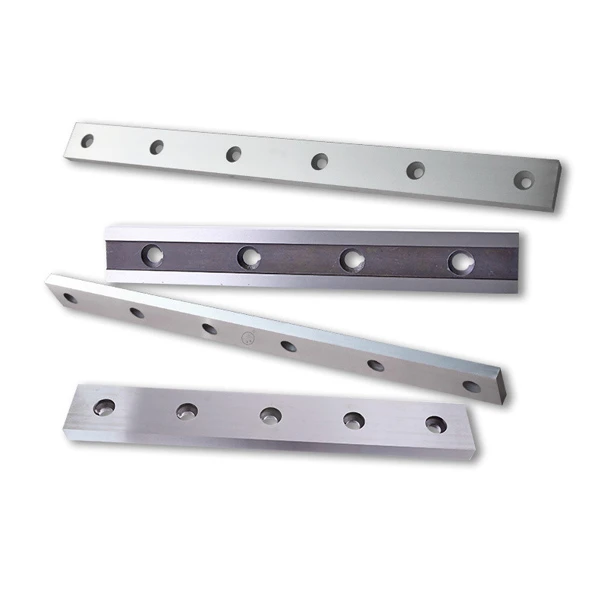
Deploying straight cutting blade sets for high-volume paper slitting lines serving the local publishing industry.

Brand Story

Global Development Journey of Hebei Shunou Technology Co., Ltd.

Foundational Excellence

Established as a specialist in metallurgical precision, focusing on solving the problem of rapid blade wear in heavy-duty industries.

Technological Breakthrough

Developed proprietary heat-treatment processes that significantly increased the hardness and toughness of industrial knives.

Market Expansion

Successfully expanded into the Southeast Asian market, tailoring products to the specific environmental needs of Vietnam.

Quality Certification

Achieved international quality benchmarks, ensuring every blade meets the most stringent global industrial standards.

Future Vision

Leading the transition toward intelligent, sustainable cutting solutions for the global manufacturing ecosystem.

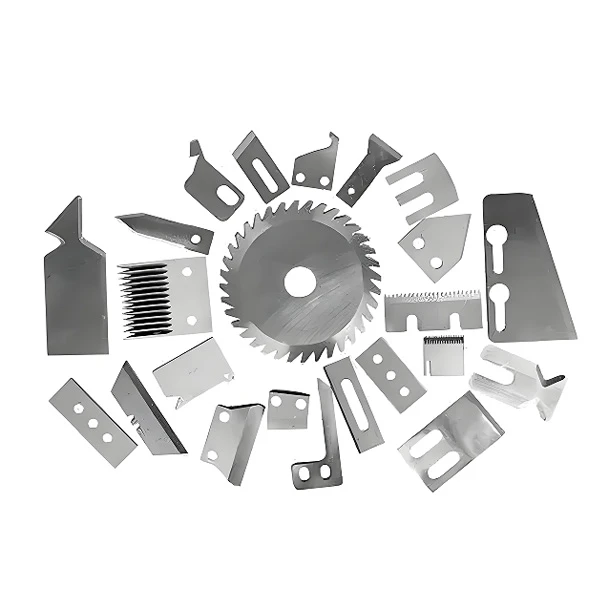
Complete Cutting Product Portfolio for Vietnam

One-stop source for all precision slitting and shearing requirements.

Frequently Asked Questions in Vietnam

Expert answers to common technical challenges in the region.

How to prevent rust on slitting machine blades in Vietnam's humidity?

We recommend using DLC or Chromium coatings and implementing a strict lubrication schedule to isolate the metal surface from atmospheric moisture.

What is the best material for rotary slitter knives used in foil cutting?

Tungsten Carbide is the ideal choice for foil cutting due to its extreme hardness and ability to maintain a razor-sharp edge over long production runs.

How often should tomato slicer blades be replaced in industrial settings?

Depending on the volume, we suggest a monthly inspection. Using high-grade stainless steel reduces replacement frequency and ensures food safety.

Can a straight cutting blade be customized for non-standard materials?

Yes, we provide custom metallurgy and geometry adjustments to ensure the blade matches the specific density and hardness of your material.

What causes premature wear in shear slitting knives?

Common causes include improper clearance settings, lack of lubrication, and using blades with a hardness level that is too low for the material being cut.

Do you provide technical support for blade installation in Vietnam?

Yes, we provide detailed installation guides and remote technical consultation to ensure your blades are perfectly aligned for maximum performance.

Ready to Optimize Your Production?

Contact our specialists today for high-precision cutting solutions delivered across Vietnam.

Contact Us Now

If you are interested in our products, you can choose to leave your information here, and we will be in touch with you shortly.