See us at E-Waste World Expo 2026 ( Booth D136 ) June 17-18th , Messe Frankfurt, Germany

Precision Industrial Rotary Slitter Knives Solutions for Zimbabwe

Empowering Zimbabwean manufacturing with high-performance cutting tools designed for durability and precision in demanding industrial environments.

Precision Industrial Rotary Slitter Knives Solutions for Zimbabwe

Our specialized cutting tool range is engineered to meet the rigorous demands of the Zimbabwean general equipment and parts manufacturing sector, ensuring seamless integration and maximum lifespan.

Industrial Cutting Landscape in Zimbabwe

Analyzing the intersection of metallurgy and manufacturing in the Southern African hub.

Zimbabwe's manufacturing sector, particularly in general equipment and metal parts, operates within a unique economic environment characterized by a strong mining heritage and an emerging agricultural processing industry. The high ambient temperatures and dust-heavy environments in industrial zones like Harare and Bulawayo place immense stress on slitting machine blades, leading to accelerated wear and frequent downtime.

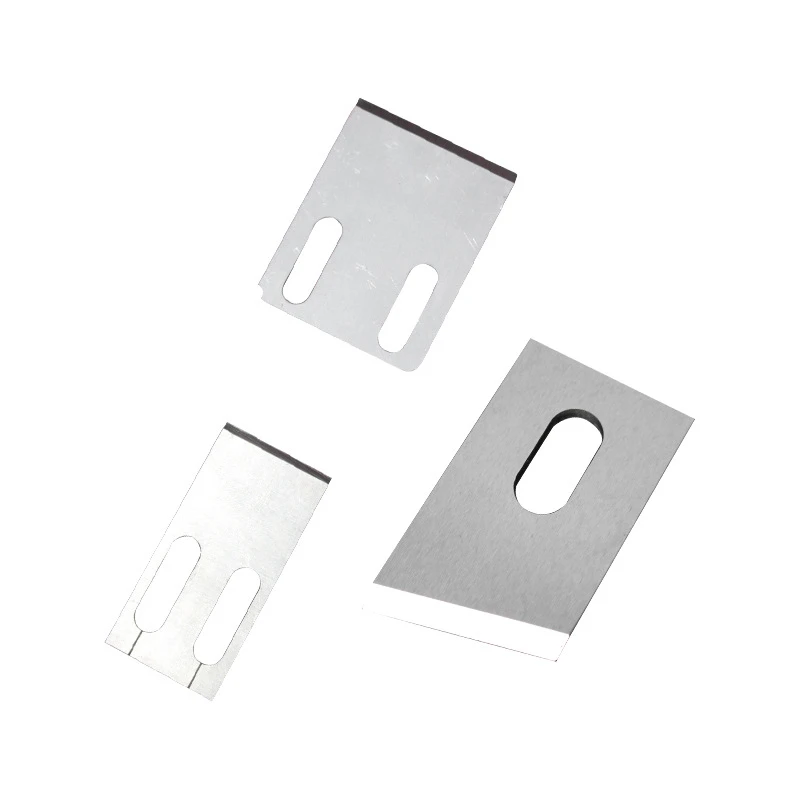
Currently, many local facilities rely on legacy machinery that requires highly adaptable cutting tools. The shift toward localized food processing has increased the demand for specialized tomato slicer blades, as the country seeks to reduce post-harvest losses through better value-addition and packaging.

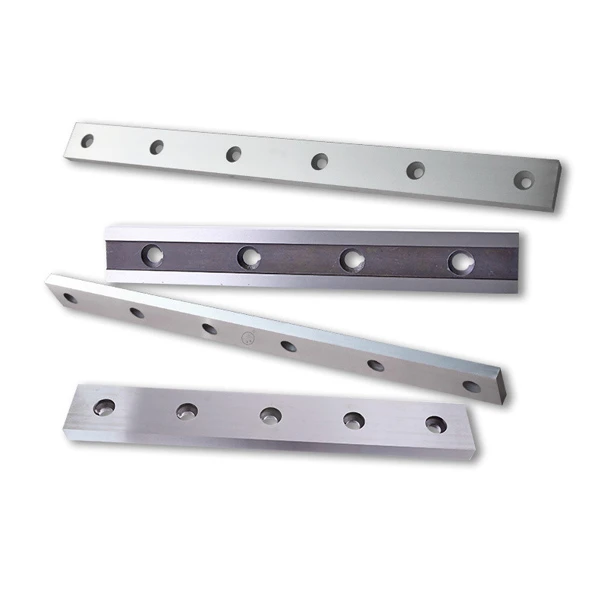
However, the lack of advanced local heat-treatment facilities often forces manufacturers to import high-precision components. This creates a critical need for durable straight cutting blade options that can withstand prolonged operation without needing constant realignment or sharpening.
Evolution of Slitting Technology in Zimbabwe

From manual shearing to automated precision slitting.

Market Development History

In the early 2000s, the Zimbabwean metalworking industry relied heavily on traditional carbon steel tools and manual shearing methods. Precision was secondary to durability, and tools were often reground locally until they reached the end of their structural life.

Between 2010 and 2020, there was a noticeable transition toward tungsten carbide materials. The introduction of imported shear slitting knives allowed for cleaner edges and faster production cycles, aligning with the growth of the local packaging and aluminum foil industries.

Today, the market is entering the era of "Smart Cutting." Modern facilities are integrating high-precision rotary systems that demand tighter tolerances and specialized coatings to combat the corrosive effects of local industrial lubricants and environmental humidity.

Future Development Trends

Advanced Coating Integration

Increasing adoption of TiN and DLC coatings to extend the life of blades in high-friction environments.

Automation of Blade Alignment

Transitioning from manual setup to laser-guided alignment for rotary systems to minimize material waste.

Specialization in Agro-Processing

Growth in custom-engineered blades for the vegetable processing sector to enhance export quality.

Future Outlook for Cutting Tool Technology

Strategic forecasting for the Zimbabwean manufacturing equipment market.

Material Science Upgrade
Moving from standard HSS to high-grade powder metallurgy steels for extreme wear resistance.
Precision Tolerance
Reduction of run-out in rotary knives to ensure micron-level accuracy for thinner foils.
Energy Efficiency
Sharper cutting edges reducing the power required for industrial slitting operations.
Customization Demand
Increasing need for bespoke blade geometries tailored to specific Zimbabwean raw materials.

Industry Outlook

Looking ahead, the Zimbabwean cutting tool market is expected to align more closely with global ISO standards. Google search trends indicate a rising interest in "high-durability industrial blades" and "precision cutting components," suggesting a shift from price-driven purchasing to value-driven engineering.

Over the next 3-5 years, we anticipate a significant integration of sustainable materials and recyclable tool steel, as global environmental regulations begin to influence local manufacturing procurement policies in Southern Africa.

Local Application Scenarios in Zimbabwe

Real-world implementation of precision blades in regional industries.

1. Steel Coil Processing in Harare

Utilizing high-strength shear slitting knives for processing cold-rolled steel coils used in the construction of local warehouses and prefabricated structures.

2. Agricultural Canning in Mashonaland

Application of specialized tomato slicer blades in automated food processing lines to ensure uniform slices for export-grade canned produce.

3. Packaging Material Slitting in Bulawayo

Deployment of precision rotary slitter knives for cutting industrial plastic films and BOPP tapes used in Zimbabwe's retail packaging sector.

4. Gasket Manufacturing for Mining

Use of straight cutting blade technology to produce high-pressure seals and gaskets for heavy machinery in the Great Dyke mining region.

5. Aluminum Foil Converting

Integration of high-speed slitting machine blades for converting wide aluminum master rolls into narrow strips for pharmaceutical packaging.

Brand Story

Global Development Journey of Hebei Shunou Technology Co., Ltd.

Foundational Precision

Started with a mission to solve the problem of premature blade wear in heavy-duty metal slitting, focusing on superior heat treatment processes.

Material Innovation

Developed a proprietary alloy blend that increased the lifespan of rotary knives by 30% for industrial users globally.

Global Expansion

Expanded operations to serve emerging markets in Africa, providing tailored engineering support for regional manufacturers.

Technological Integration

Integrated CNC grinding and laser measurement systems to achieve micron-level precision across all product lines.

Sustainable Future

Now committed to creating eco-friendly cutting solutions that reduce energy consumption and material waste in the general equipment sector.

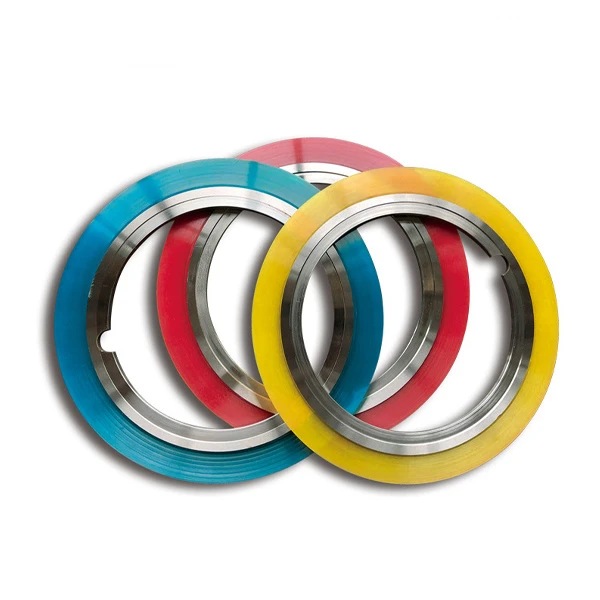
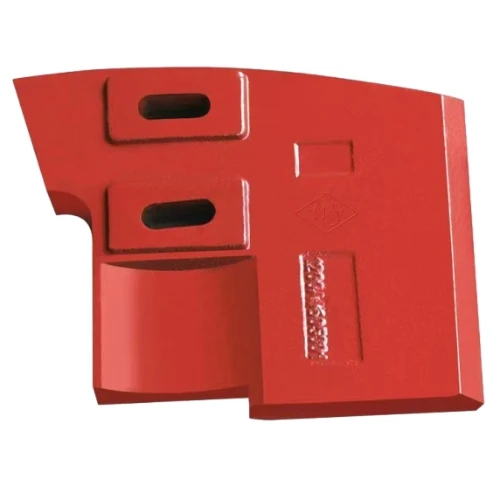
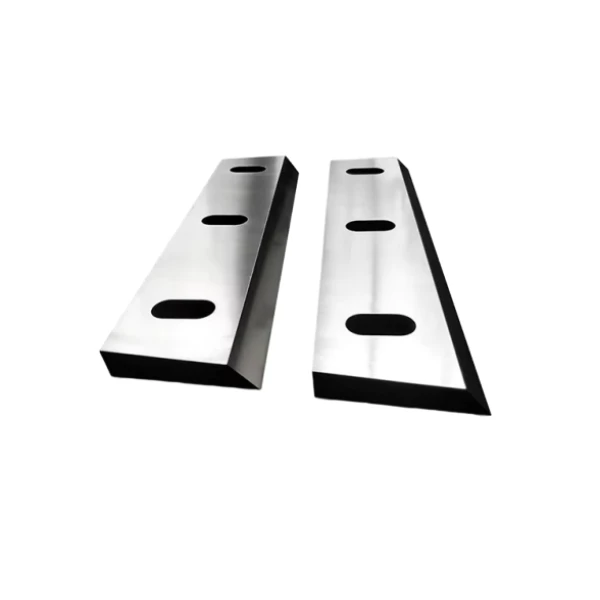
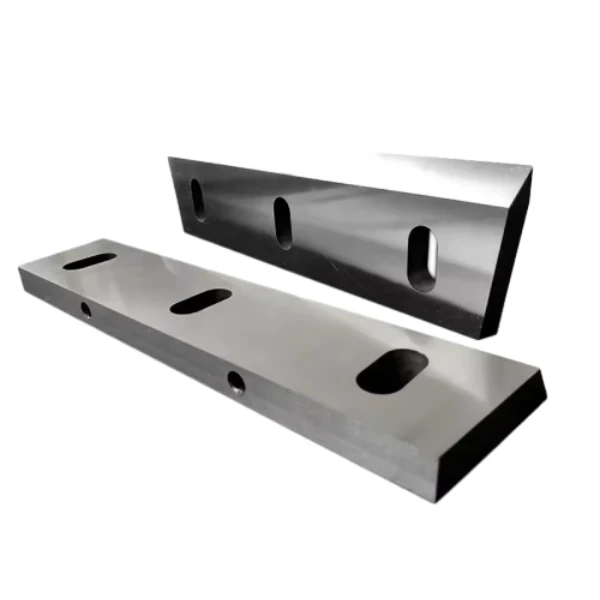
Complete Cutting Tool Portfolio for Zimbabwe

A comprehensive range of precision blades engineered for durability in Southern African industrial environments.

Industrial Cutting FAQ - Zimbabwe

Expert answers to common technical challenges in metal and food slitting.

How to extend the lifespan of slitting machine blades in dusty environments?

Implementing a consistent lubrication schedule and using blades with DLC (Diamond-Like Carbon) coatings can significantly reduce abrasion caused by airborne particulates common in Zimbabwe's industrial zones.

What is the best material for rotary slitter knives used in foil converting?

Tungsten Carbide is highly recommended for foil converting due to its extreme hardness and ability to maintain a sharp edge, which prevents burrs and edge curling in thin materials.

How often should tomato slicer blades be replaced in high-volume production?

Replacement cycles depend on the produce's acidity and volume, but we recommend a precision check every 500 operating hours to ensure slice consistency and prevent product bruising.

Can a straight cutting blade be customized for non-standard gasket materials?

Yes, we can customize the bevel angle and hardness profile of the blade to match the specific density and elasticity of the material being cut.

What causes premature failure in shear slitting knives?

The most common causes are improper blade clearance (gap) and excessive lateral pressure, which lead to chipping. Regular calibration of the shearing machine is essential.

How to choose the right diameter for industrial slitting knives?

The diameter should be chosen based on the required linear cutting speed and the machine's spindle specifications to avoid vibration and ensure a clean cut.

Get Expert Cutting Solutions Today

Contact our technical team to optimize your manufacturing efficiency in Zimbabwe.

Contact Us Now

If you are interested in our products, you can choose to leave your information here, and we will be in touch with you shortly.