See us at E-Waste World Expo 2026 ( Booth D136 ) June 17-18th , Messe Frankfurt, Germany

Precision rotary slitter knives Solutions for Bulgaria's Industrial Sector

High-performance cutting components engineered for the rigorous demands of Bulgarian metal processing and food manufacturing industries.

Precision rotary slitter knives Solutions for Bulgaria's Industrial Sector

Optimizing the efficiency of Bulgarian manufacturing through advanced metallurgy and precision-ground cutting edges tailored for heavy-duty industrial applications.

Industrial Cutting Landscape in Bulgaria

Analyzing the synergy between metallurgical standards and regional manufacturing needs.

Bulgaria's manufacturing sector, particularly in industrial hubs like Sofia and Plovdiv, is characterized by a strong legacy of metallurgy and heavy machinery. The demand for slitting machine blades has increased as the region transitions toward higher precision automotive and electronics component production, requiring tighter tolerances and longer tool life.

The local economic climate, influenced by EU quality directives, forces Bulgarian factories to upgrade from generic consumables to specialized straight cutting blade technologies. This shift is driven by the need to reduce material waste and energy consumption in metal sealing and general parts manufacturing.

Furthermore, the diverse agricultural landscape of Bulgaria necessitates a robust supply of food-grade cutting tools. The integration of high-chromium steels in tomato slicer blades ensures that local food processors can maintain high hygiene standards while handling large volumes of seasonal produce.

Evolution of Cutting Technology in Bulgaria

From traditional mechanical shearing to digital precision engineering.

Market Development History

In the late 20th century, the Bulgarian metalworking industry relied heavily on standardized carbon steel tools. Cutting processes were primarily manual or semi-automated, focusing on bulk volume rather than extreme precision, utilizing basic shear-based mechanisms.

Between 2000 and 2015, the adoption of shear slitting knives evolved as the country integrated into European supply chains. This era saw a transition toward Tungsten Carbide and HSS materials, enabling faster production lines and reducing the frequency of blade replacements.

From 2016 to the present, the focus has shifted toward "smart cutting." The integration of CNC-controlled slitting and advanced coatings (like TiN and DLC) has allowed Bulgarian manufacturers to achieve micron-level accuracy in metal sealing components.

Future Development Trends

Adaptive Material Coating

We expect a surge in nano-composite coatings that reduce friction by 30%, specifically for high-speed rotary applications to extend the lifespan of industrial knives.

AI-Driven Wear Prediction

The industry is moving toward predictive maintenance where sensors monitor the vibration of blades to signal replacement before quality degradation occurs.

Sustainable Metallurgy

Shift towards recycled high-performance alloys and biodegradable lubricants in the cutting process to meet EU "Green Deal" regulations.

Future Trends and Strategic Outlook

Predicting the next leap in precision cutting for the Balkan region.

Ultra-Hard Alloy Integration
Implementing cobalt-bonded carbides to handle the abrasive materials common in Bulgarian heavy industry.
Digital Precision Grinding
Adopting 5-axis grinding technology to ensure absolute concentricity for rotary blades.
Custom Geometric Design
Developing specialized blade profiles to reduce shearing force and increase energy efficiency.
Circular Economy Loop
Implementing a comprehensive blade regrinding and recycling program to minimize industrial waste.

Industry Outlook

The search trends for high-precision cutting tools in the EU indicate a move toward "zero-defect" manufacturing. In Bulgaria, this manifests as an increased reliance on specialized alloys that can withstand extreme heat and friction without losing their edge.

Over the next 3-5 years, we anticipate that the integration of IoT sensors within the blade holders will become the industry standard, allowing for real-time monitoring of cutting quality and automated tool compensation.

Localized Application Scenarios in Bulgaria

Real-world deployment of precision cutting solutions across various Bulgarian industries.

1. Automotive Parts Production (Plovdiv Region)

Utilizing rotary slitter knives for the high-speed cutting of automotive gaskets and metal seals, ensuring leak-proof precision for engine components.

2. Industrial Food Processing (Sofia Hub)

Deployment of specialized tomato slicer blades in large-scale canning factories to ensure uniform slice thickness and minimal product bruising.

3. Steel Coil Processing Centers

Integration of heavy-duty slitting machine blades for splitting cold-rolled steel coils into precise strips for the construction industry.

4. Packaging Material Manufacturing

Application of straight cutting blade systems for slicing high-density polymers and composite foils used in pharmaceutical packaging.

5. Heavy Equipment Component Fabrication

Use of precision shear slitting knives to prepare raw metal sheets for the fabrication of industrial valves and heavy-duty seals.

Brand Story

Global Development Journey of Hebei Shunou Technology Co., Ltd.

Foundational Excellence

Established with a vision to solve the instability of industrial cutting, we focused on mastering the heat treatment of high-carbon steels.

Technological Breakthrough

Developed a proprietary grinding process that reduced edge roughness by 40%, significantly extending the life of rotary cutting tools.

European Market Expansion

Entered the EU market by aligning our production with ISO standards, providing tailored solutions for the Bulgarian and Balkan industrial sectors.

Precision Diversification

Expanded our portfolio from heavy metal slitting to high-precision food-grade cutting, solving pain points in the agricultural processing sector.

Global Leadership Vision

Now committed to driving the "Industry 4.0" transition in cutting tools through smart materials and sustainable manufacturing.

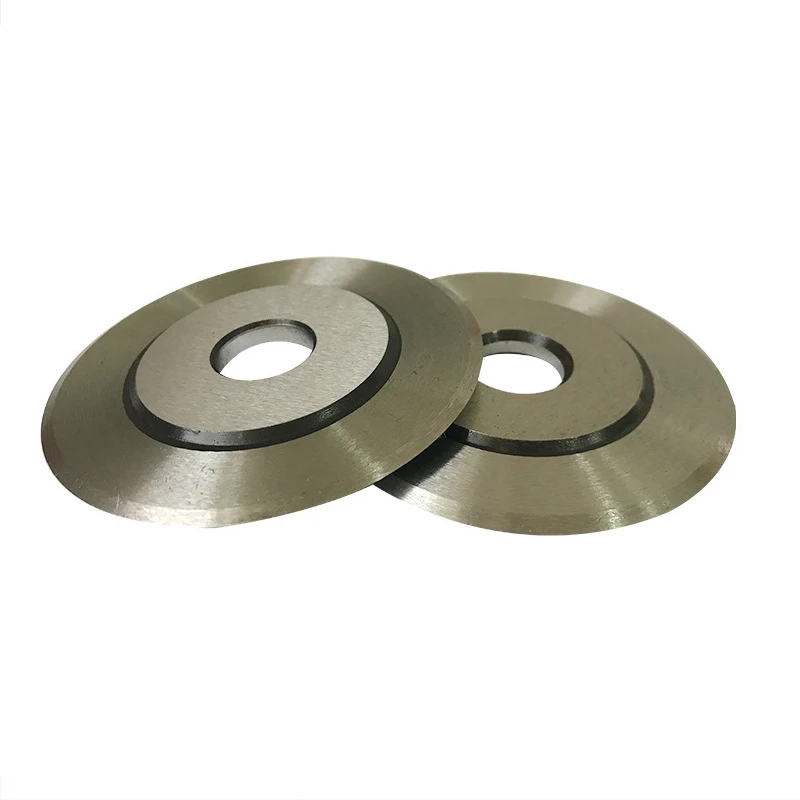
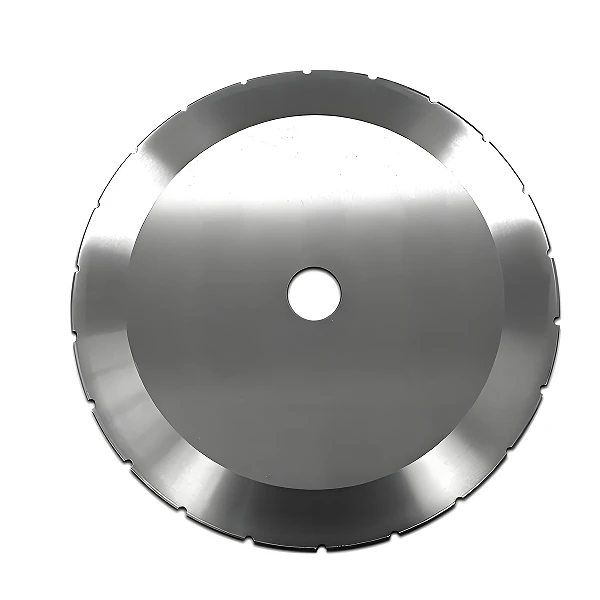
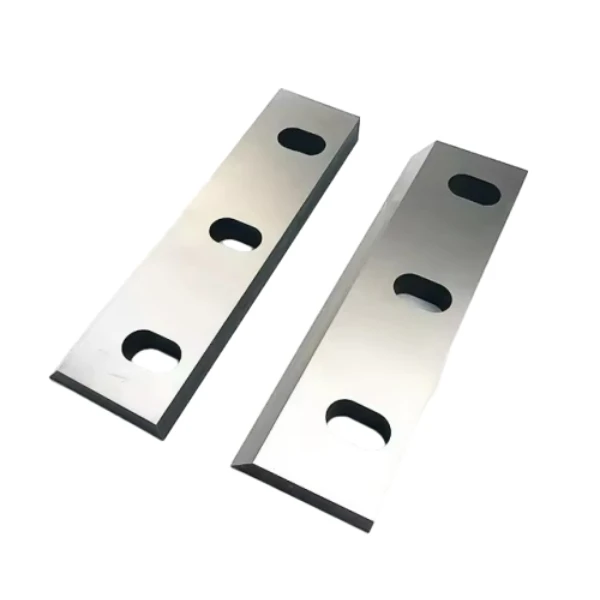
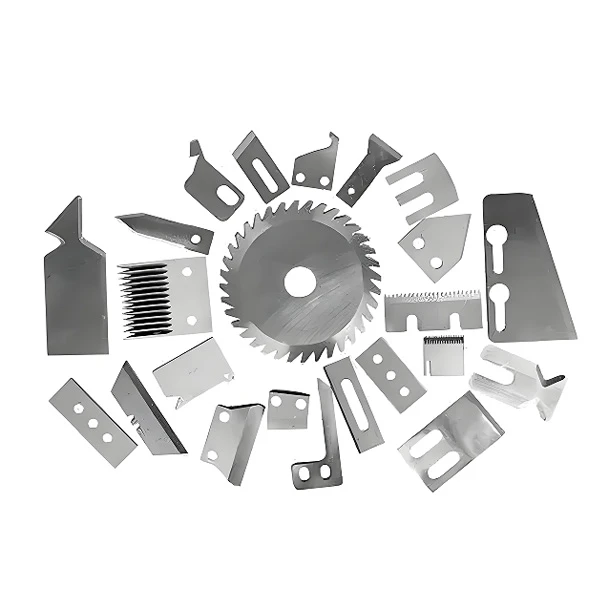
Complete Cutting Tool Portfolio for Bulgaria

A comprehensive range of precision blades engineered for maximum durability and accuracy.

Industrial Cutting FAQ - Bulgaria

Expert answers to common technical challenges in the metal and food processing industries.

How to choose the right material for rotary slitter knives in heavy-duty applications?

For heavy-duty industrial use, we recommend Tungsten Carbide or high-grade HSS. The choice depends on the material hardness of the workpiece and the required production speed.

What is the average lifespan of slitting machine blades in the Bulgarian automotive sector?

Depending on the material and coating, lifespan varies. However, our DLC-coated blades typically offer 3-5 times the life of standard carbon steel edges.

Are your tomato slicer blades compliant with EU food safety regulations?

Yes, all our food-grade blades are manufactured from certified stainless steel and meet strict EU hygiene and corrosion resistance standards.

How does a straight cutting blade differ from a shear slitting knife in terms of edge geometry?

A straight cutting blade focuses on linear precision and minimal deformation, while a shear slitting knife is designed for high-pressure separation of materials.

Can you provide custom thicknesses for shear slitting knives?

Absolutely. We provide fully customizable dimensions and hardness profiles to match the specific machinery used in your facility.

What maintenance schedule is recommended for rotary slitter knives to avoid downtime?

We recommend a visual edge inspection every 100 operating hours and a professional regrind once edge rounding reaches 0.05mm.

Ready to Optimize Your Cutting Process?

Our technical team is ready to provide customized blade solutions for your facility in Bulgaria.

Contact Us Now

If you are interested in our products, you can choose to leave your information here, and we will be in touch with you shortly.