
See us at E-Waste World Expo 2026 ( Booth D136 ) June 17-18th , Messe Frankfurt, Germany

Precision rotary slitter knives Solutions for Canadian Industrial Manufacturing

Engineered for high-performance cutting, durability, and extreme precision across Canada's diverse manufacturing landscapes.

Precision rotary slitter knives Solutions for Canadian Industrial Manufacturing

We provide a comprehensive range of high-grade industrial cutting tools designed to optimize throughput and minimize waste for Canadian production lines.

Industrial Cutting Landscapes in Canada

Analyzing the operational challenges of metal and food processing sectors in North America.

In Canada, the manufacturing sector faces unique challenges due to extreme temperature fluctuations and a highly decentralized industrial geography. From the automotive hubs in Ontario to the food processing centers in the Prairies, the demand for durable slitting machine blades is critical to maintaining operational uptime in harsh environments.

Economic shifts toward automation and "Industry 4.0" have forced Canadian firms to upgrade their tooling. The reliance on precision-engineered straight cutting blade components has increased as companies strive to meet stricter North American quality standards and reduce material scrap rates.

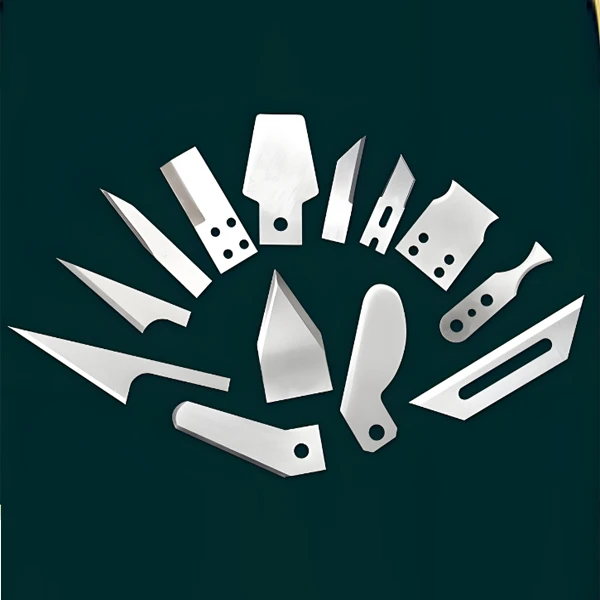
Furthermore, the Canadian food industry, particularly in produce processing, requires specialized tools like tomato slicer blades that can handle high volumes while maintaining sanitary standards and precise thickness, ensuring competitiveness in the global export market.
Evolution of Slitting Technology in Canada

From traditional tool steel to advanced cryogenic treatments.

Market Development History

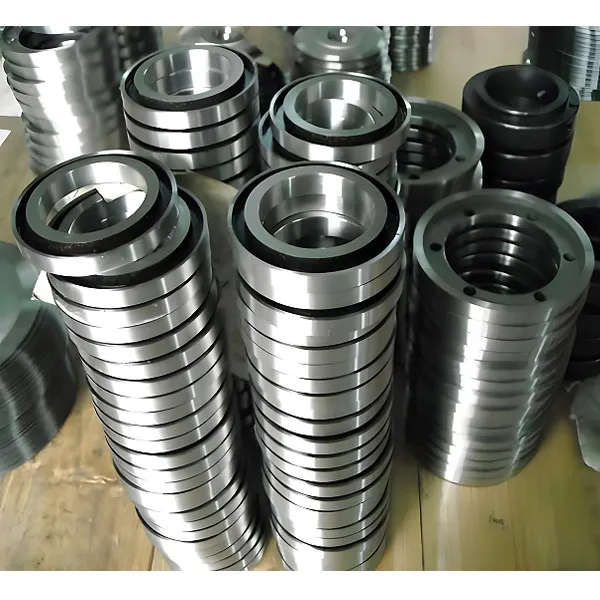
In the early 2000s, the Canadian market relied heavily on standard carbon steel tools. Cutting processes were characterized by frequent downtime for sharpening, as shear slitting knives lacked the wear resistance needed for high-speed industrial lines.

By 2010-2015, the shift toward Tungsten Carbide and Cobalt-alloyed steels became evident. This era marked a transition toward precision grinding and the adoption of tighter tolerances, allowing for more consistent slitting widths and reduced burr formation in metal processing.

From 2018 to the present, the focus has shifted to surface coatings (PVD/CVD) and cryogenic tempering. Modern tools are now designed for longevity, specifically targeting the reduction of thermal expansion during continuous operation in Canada's varied climate conditions.

Future Development Trends

Smart Wear Monitoring

Integration of IoT sensors into blade holders to monitor real-time wear and predict replacement cycles for rotary slitter knives.

Nanocomposite Coatings

Development of ultra-hard thin-film coatings to increase the lifespan of blades used in abrasive material cutting by up to 300%.

Sustainability-Driven Metallurgy

Adoption of recycled high-performance alloys to reduce the carbon footprint of tool manufacturing without sacrificing hardness.

Industry Trends and Future Outlook

Strategic directions for the Canadian general equipment and parts manufacturing sector.

Precision Automation
Increasing demand for blades that integrate seamlessly with CNC-controlled slitting systems to ensure micron-level accuracy.
Material Versatility
Expanding tool capabilities to handle composite materials and reinforced polymers prevalent in aerospace and automotive parts.
Enhanced Hardness
Implementation of advanced powder metallurgy to create blades with uniform grain structure and superior edge retention.
Eco-efficient Production
Reducing energy consumption during the grinding process and optimizing tool life to minimize waste.

Industry Outlook

Based on Google search trends in the North American industrial sector, there is a rising interest in "low-friction industrial cutting" and "long-life rotary tools." This indicates a market shift toward reducing operational costs through higher-quality initial tooling investments.

The next 3-5 years will see Canada's manufacturing sector integrating AI-driven maintenance schedules. This will transform the procurement of slitting machine blades from a reactive "break-fix" model to a proactive, data-driven supply chain.

Localized Applications in Canada

Real-world deployment of precision cutting solutions across Canadian industries.

01. Ontario Automotive Steel Slitting

Deployment of heavy-duty shear slitting knives in Windsor's automotive plants to process high-strength steel coils for chassis components.

02. British Columbia Packaging Foil

Utilizing high-precision rotary slitter knives for the production of thin-gauge aluminum foils used in sustainable packaging solutions.

03. Alberta Agri-Food Processing

Implementation of food-grade tomato slicer blades in large-scale vegetable processing facilities to ensure consistent slice quality for retail.

04. Quebec Industrial Gasket Cutting

Use of straight cutting blade systems for precision trimming of industrial seals and gaskets used in hydroelectric power plants.

05. Manitoba Paper and Pulp Slitting

Application of specialized slitting machine blades for converting large paper rolls into narrow industrial strips for the logistics sector.

Brand Story

Global Development History of Hebei Shunou Technology Co., Ltd.

Foundational Precision

Established with a mission to solve the critical pain point of premature edge wear in high-speed industrial slitting.

Technological Breakthrough

Pioneered advanced heat treatment processes that significantly increased the toughness of rotary cutting tools.

Market Expansion

Expanded our footprint into North America, tailoring our metallurgy to meet the rigorous demands of Canadian industry.

Quality Certification

Achieved international standards for precision manufacturing, ensuring every blade meets global E-E-A-T quality benchmarks.

Future Vision

Dedicated to creating a world where zero-waste cutting is possible through intelligent tool design and sustainable materials.

Comprehensive Cutting Tool Portfolio for Canada

Integrated solutions for metal seals, general components, and industrial slitting.

Common Questions for Canadian Manufacturers

Expert answers regarding the selection and maintenance of industrial blades.

How to choose the right material for slitting machine blades in cold climates?

For Canadian winters, we recommend alloys with high fracture toughness to prevent brittle failure. Cryogenic tempering is ideal for ensuring the blade remains durable during temperature swings.

What is the expected lifespan of rotary slitter knives in automotive steel processing?

Lifespan varies by material hardness, but our Tungsten Carbide coated knives typically last 3-5 times longer than standard tool steel, significantly reducing replacement frequency.

Are tomato slicer blades compliant with Canadian food safety regulations?

Yes, our food-grade blades are manufactured from high-chromium stainless steel, ensuring corrosion resistance and hygiene compliance for North American food processing.

Can a straight cutting blade be customized for non-standard industrial gaskets?

Absolutely. We offer custom geometry and edge profiles to match the specific technical drawings of your equipment, ensuring a perfect fit and cut.

How do shear slitting knives prevent burr formation on edges?

By optimizing the shear angle and maintaining a precise gap between the upper and lower knife, we minimize material deformation and eliminate burrs.

What is the lead time for custom blade shipping to Canada?

Depending on the complexity and volume, our standard production and shipping cycle to Canada typically ranges from 15 to 30 days.

Consult Our Engineering Experts

Ready to optimize your production line? Get a tailored cutting solution for your facility in Canada.

Contact Us Now

If you are interested in our products, you can choose to leave your information here, and we will be in touch with you shortly.