See us at E-Waste World Expo 2026 ( Booth D136 ) June 17-18th , Messe Frankfurt, Germany

Precision Rotary Slitter Knives Solutions for Gambia's Industrial Growth

High-performance cutting components engineered for the unique demands of the Gambian manufacturing sector, ensuring maximum durability and edge retention.

Precision Rotary Slitter Knives Solutions for Gambia's Industrial Growth

We provide a comprehensive range of high-precision industrial blades designed to optimize production efficiency and reduce downtime for manufacturers across Gambia.

Industrial Cutting Landscape in Gambia

Analyzing the intersection of high-humidity environments and industrial tool wear.

In Gambia, the manufacturing of general equipment and spare parts faces significant challenges due to the high coastal humidity and saline air. This environment accelerates the oxidation of standard tool steels, making the demand for premium slitting machine blades critical for maintaining operational continuity.

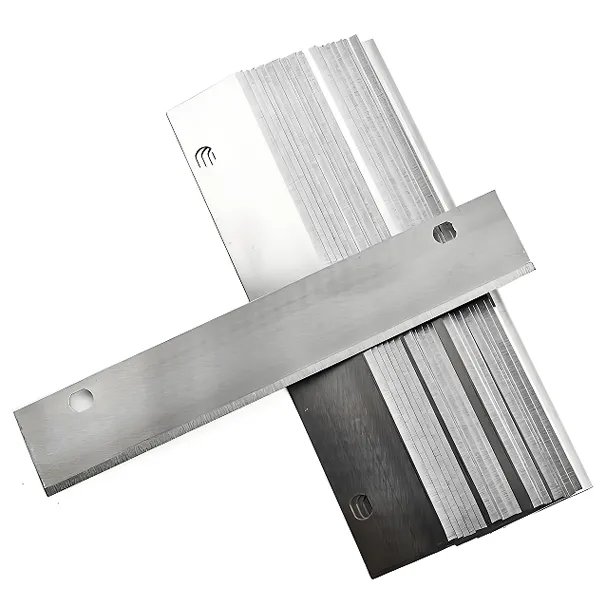
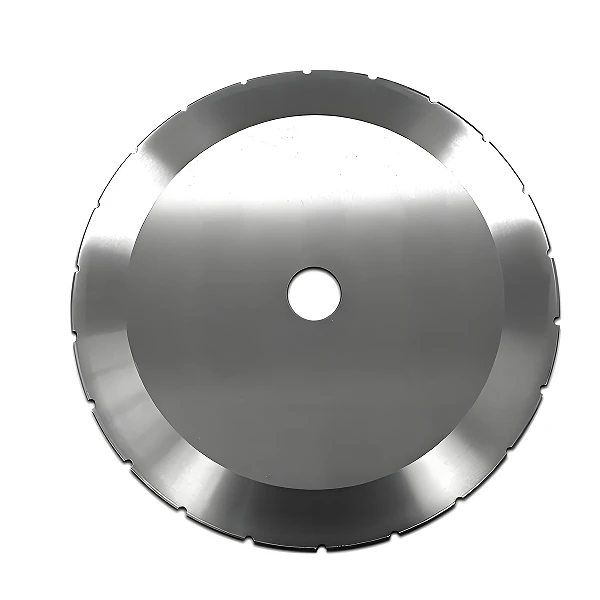
The local market currently relies on a mix of imported legacy machinery and emerging automated lines. There is a visible gap in the availability of specialized tools like shear slitting knives, which are essential for the growing packaging and textile industries in the Banjul and Serekunda regions.

Furthermore, the agricultural processing sector, particularly in fruit and vegetable canning, is increasingly seeking specialized tomato slicer blades that can withstand high-volume acidic environments without frequent sharpening or replacement.
Evolution of Cutting Technology in West Africa

From manual shearing to high-speed automated rotary precision.

Market Development History

Historically, the Gambian industrial sector relied on basic carbon steel tools and manual cutting processes. Before 2010, most "cutting" was done via primitive shearing methods with limited precision and high material waste.

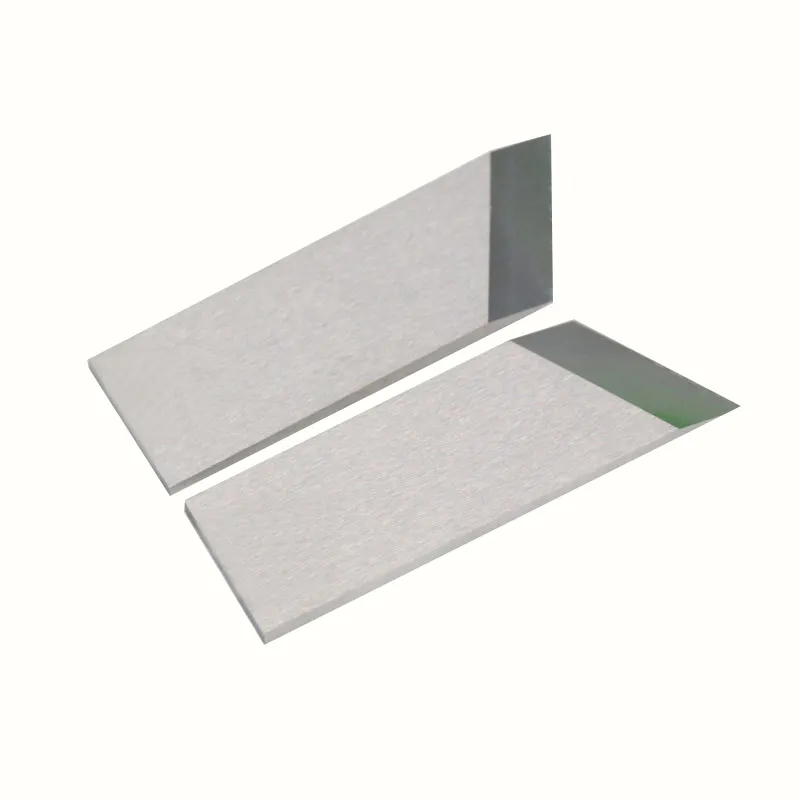
Between 2010 and 2020, the introduction of semi-automated machinery shifted the demand toward the straight cutting blade, allowing for more consistent dimensions in the production of metal seals and general gaskets.

In the last 3 years, there has been a surge in the adoption of high-speed rotary systems. This transition has necessitated a move toward tungsten carbide and specialized alloy steels to handle the increased friction and heat generated by modern industrial speeds.

Future Development Trends

Integration of Smart Monitoring

The next phase involves integrating wear-sensors into tool holders to predict when a blade requires replacement, reducing unplanned downtime in Gambian factories.

Advanced Coating Technologies

We expect a shift toward DLC (Diamond-Like Carbon) and TiN coatings to combat the corrosive Atlantic humidity and extend tool life.

Eco-Friendly Material Processing

There is a growing trend toward precision cutting that minimizes scrap metal, aligning with global sustainability goals and reducing raw material costs for local SMEs.

Industry Trends and Future Outlook

Strategic directions for the metal sealing and component industry in Gambia.

Precision Engineering Shift
Transitioning from general-purpose tools to customized micron-level precision components for specialized gaskets.
Material Durability
Adoption of corrosion-resistant alloys to extend the life of cutting tools in tropical coastal climates.
Automated Slicing
Increased integration of automated food processing lines requiring specialized, hygienic cutting edges.
Supply Chain Optimization
Moving toward "Just-in-Time" delivery of wear parts to reduce local inventory costs.

Industry Outlook

Based on regional growth data, the Gambian manufacturing sector is expected to diversify. We anticipate a 15% increase in demand for high-precision cutting tools as the country expands its internal production of packaging materials and processed foods.

The synergy between improved infrastructure and the adoption of advanced cutting alloys will allow local manufacturers to compete more effectively in the West African market, reducing reliance on fully finished imports.

Localized Application Scenarios in Gambia

Real-world implementation of precision cutting tools in local industry.

1. Agricultural Export Processing

Implementing tomato slicer blades in canning facilities to ensure uniform slices and reduce waste during the peak harvest season.

2. Industrial Packaging Production

Using high-speed slitting machine blades to produce precise plastic and foil wraps for the Gambian retail market.

3. Metal Component Fabrication

Utilizing straight cutting blade systems for the manufacture of custom industrial seals used in water pumping stations.

4. Textile and Fabric Finishing

Application of shear slitting knives for the precise cutting of industrial fabrics and synthetic materials.

5. General Hardware Manufacturing

Integration of rotary slitter knives for the production of metal strips and small components for local equipment repair shops.

Brand Story

Global Development Journey of Hebei Shunou Technology Co., Ltd.

Foundational Excellence

Established with a focus on high-carbon steel metallurgy, solving the basic problem of edge fragility in industrial cutting.

Technological Leap

Introduced precision grinding and heat-treatment processes to meet the strict tolerances required for rotary slitting.

Global Expansion

Expanded operations to serve the African market, adapting tool compositions to survive high-humidity and saline environments.

R&D Innovation

Developed proprietary alloy blends that significantly extend the life of blades used in acidic food processing.

Sustainable Leadership

Now focusing on "Zero-Waste" cutting solutions, helping manufacturers worldwide reduce material scrap through extreme precision.

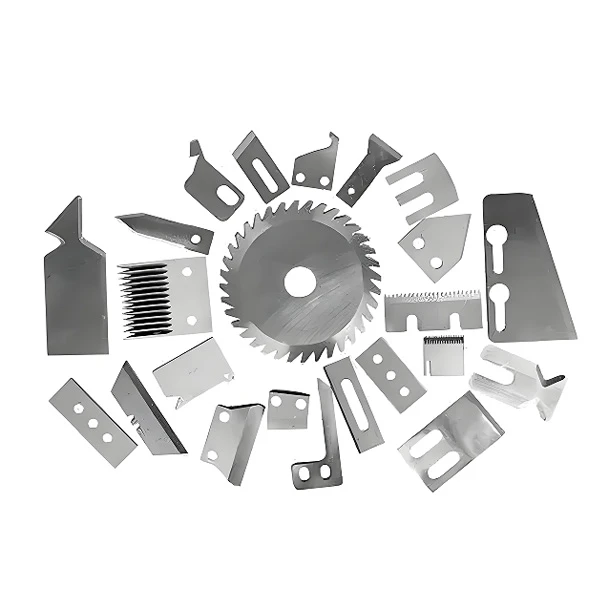
Complete Cutting Tool Portfolio for Gambia

A curated selection of high-performance blades tailored for the Gambian industrial environment.

Common Questions for Gambian Manufacturers

Expert answers to technical challenges in metal sealing and component cutting.

How to prevent rust on slitting machine blades in Gambia's coastal climate?

We recommend using specialized corrosion-resistant coatings or stainless-alloy steels combined with regular application of industrial-grade anti-rust lubricants during downtime.

What is the optimal material for rotary slitter knives in high-volume production?

Tungsten Carbide is ideal for high-volume production due to its extreme hardness and wear resistance, though M2 high-speed steel is a cost-effective alternative for medium-duty use.

Can tomato slicer blades be customized for different vegetable types?

Yes, we can adjust the blade geometry, pitch, and edge sharpness to suit various produce, ensuring clean cuts and minimal bruising for Gambian agricultural exports.

How often should a straight cutting blade be replaced in seal manufacturing?

Replacement frequency depends on the material thickness; however, we recommend monitoring edge burrs. High-precision alloys typically last 30% longer than standard carbon steel.

What are the advantages of shear slitting knives over traditional shearing?

Shear slitting provides a cleaner edge with significantly less material deformation, which is critical for high-precision metal seals and industrial components.

Do you provide technical support for blade installation in Gambia?

Yes, we provide detailed digital installation guides and remote technical consultation to ensure your blades are aligned perfectly for maximum efficiency.

Ready to Optimize Your Production?

Contact our engineering team today for a customized cutting solution tailored to the industrial needs of Gambia.

Contact Us Now

If you are interested in our products, you can choose to leave your information here, and we will be in touch with you shortly.