See us at E-Waste World Expo 2026 ( Booth D136 ) June 17-18th , Messe Frankfurt, Germany

Precision rotary slitter knives Solutions for India's Industrial Growth

High-performance cutting components engineered for India's diverse manufacturing landscape, from automotive parts to food processing.

Precision rotary slitter knives Solutions for India's Industrial Growth

Providing India's general equipment manufacturers with world-class cutting edge technology to optimize throughput and minimize material waste.

Current Landscape of Cutting Tooling in India

Analyzing the demand for precision blades in India's rapidly evolving manufacturing hubs.

The Indian manufacturing sector, particularly in hubs like Maharashtra and Gujarat, faces significant challenges due to high ambient humidity and dust, which accelerate the wear and tear of slitting machine blades. Local industries are shifting from generic carbon steel to high-tungsten carbide alloys to maintain edge retention in extreme tropical climates.

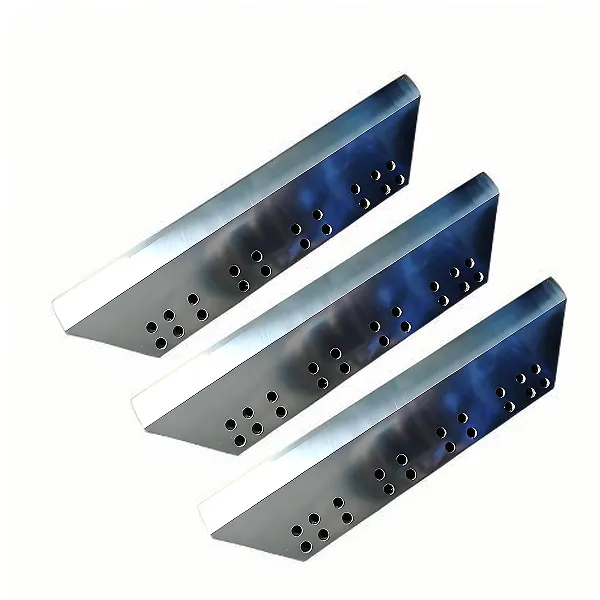
With the "Make in India" initiative driving the automotive and packaging sectors, there is an unprecedented surge in demand for shear slitting knives capable of handling high-tensile strength materials. The market is transitioning from fragmented local workshops to standardized, precision-engineered components.

In the agricultural processing sector, the adoption of automated food machinery has made tomato slicer blades critical for export-quality produce. The focus has shifted toward food-grade stainless steel that prevents oxidation and ensures hygienic cutting cycles.
Evolution of Metal Slitting Technology in India

From manual shearing to CNC-integrated precision cutting systems.

Market Development History

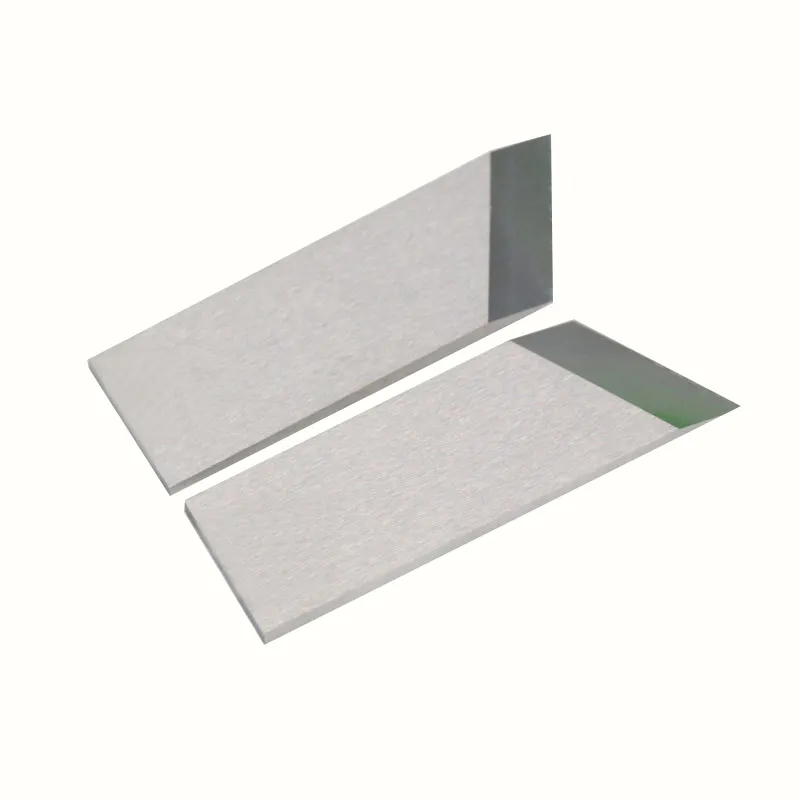
Between 1990 and 2005, the Indian market relied heavily on manual straight cutting blade technology, characterized by high manual intervention and inconsistent tolerances, primarily serving basic metal fabrication shops.

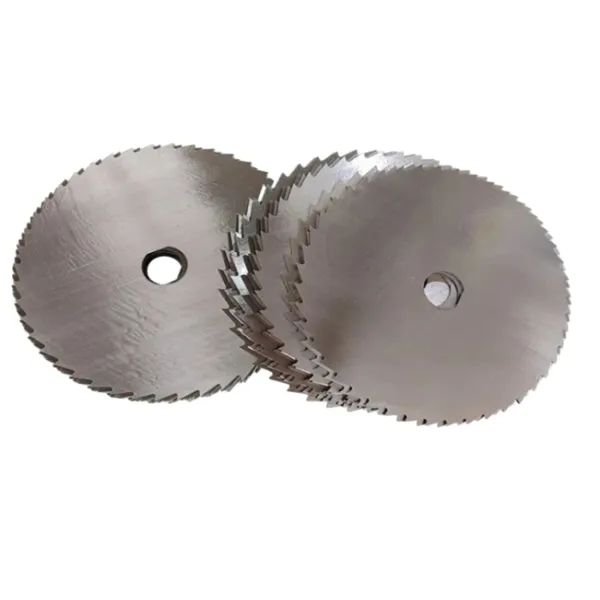
From 2006 to 2018, the introduction of automated rotary systems led to the widespread adoption of specialized circular knives. This era saw a shift toward powder metallurgy, allowing for harder edges and longer service lives in industrial slitting lines.

Since 2019, the integration of Industry 4.0 has enabled real-time wear monitoring. Today's manufacturers utilize precision-ground blades with micron-level accuracy to meet the rigorous standards of global supply chains.

Future Development Trends

Nano-Coating Integration

The next 3 years will see the adoption of DLC (Diamond-Like Carbon) coatings to reduce friction and heat buildup during high-speed rotation.

Cryogenic Treatment

Increased use of deep cryogenic tempering to stabilize the molecular structure of the steel, significantly extending the lifespan of cutting edges.

Smart Blade Geometry

Development of adaptive blade angles based on AI-driven material analysis to reduce burr formation in varying thicknesses of metal sheets.

Industry Outlook and Technological Forecast

Strategic directions for the general parts manufacturing sector in Asia.

Automation Synergy
Integration of sensors to predict blade failure before it impacts product quality.
Material Innovation
Development of hybrid ceramics to handle harder alloys used in Indian infrastructure.
Green Manufacturing
Reducing energy consumption through friction-optimized blade surfaces.
Customization 2.0
Rapid prototyping of blades for specialized Indian automotive components.

Industry Outlook

Google search trends for "industrial cutting tools" in India show a 25% year-on-year increase, indicating a shift toward higher quality imports and localized high-precision production. The move toward electric vehicle (EV) components is creating a new demand for specialized battery foil cutting tools.

We expect the integration of cobalt-enriched steel to become the standard for heavy-duty industrial applications, ensuring that India's manufacturing output can compete on a global quality scale while maintaining cost-efficiency.

Local Application Scenarios in India

Practical implementations of our precision blades in key Indian industries.

01. Automotive Sheet Metal Processing

Utilizing high-strength shear slitting knives in Pune's automotive clusters to cut high-tensile steel for chassis components with zero burr tolerance.

02. Flexible Packaging in Delhi-NCR

Implementing slitting machine blades for high-speed plastic film and foil conversion, ensuring clean edges for food-grade packaging.

03. Agri-Food Processing in Maharashtra

Deploying specialized tomato slicer blades for automated canning lines, reducing waste and increasing slicing speed for export markets.

04. Industrial Tape Manufacturing

Applying precision rotary slitter knives for narrow-width adhesive tape conversion, ensuring consistent width across kilometers of material.

05. General Metal Fabrication

Using industrial-grade straight cutting blade tools for precise aluminum extrusion cutting in the construction sector.

Brand Story

Global Development Journey of Hebei Shunou Technology Co., Ltd.

Foundational Precision

Established with a mission to solve the problem of premature blade wear in heavy-duty manufacturing through advanced metallurgy.

Technological Breakthrough

Developed proprietary heat-treatment processes that increased blade lifespan by 40% for our early industrial clients.

Global Expansion

Expanded our reach into Asia and India, tailoring our cutting solutions to meet the specific climatic and industrial needs of the region.

Quality Standardization

Achieved international certifications, ensuring every blade meets the strictest global tolerances for precision cutting.

Future Vision

Committed to leading the "Smart Cutting" era by integrating digital wear-tracking with high-performance alloy blades.

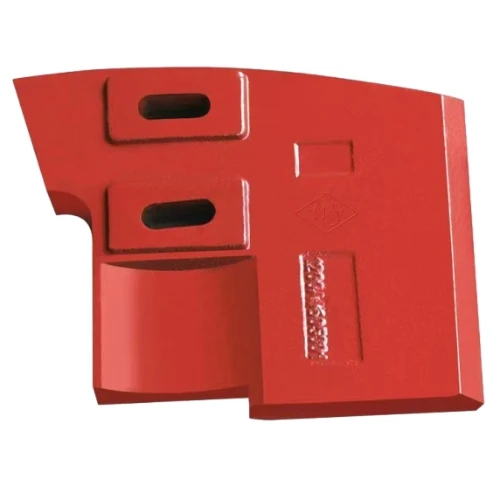
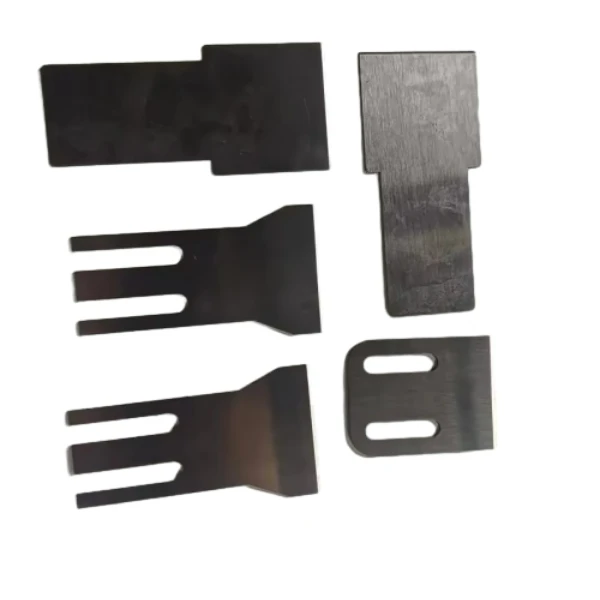
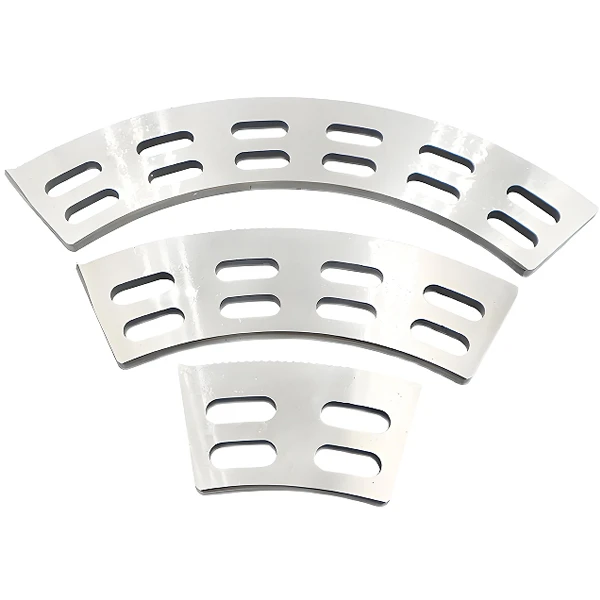
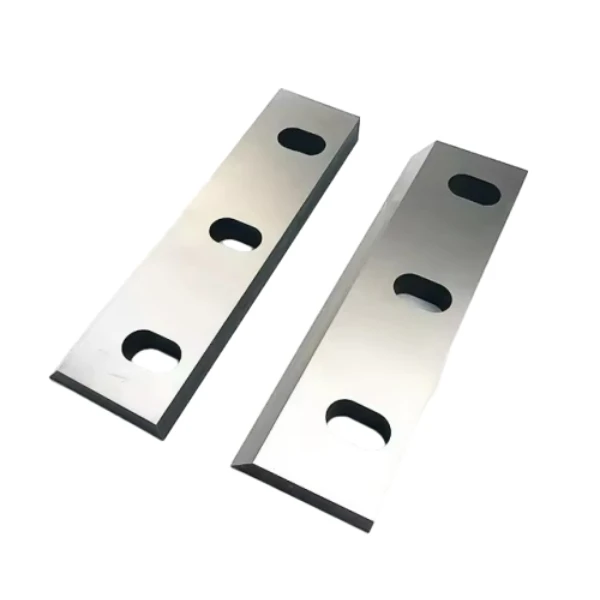
Complete Precision Cutting Portfolio for the Indian Market

A comprehensive range of blades designed for durability and precision in India's general equipment manufacturing.

Common Questions from Indian Manufacturers

Expert answers to technical queries regarding cutting tool maintenance and selection.

How to prevent corrosion on slitting machine blades in high-humidity regions like Kerala?

We recommend using specialized chrome-plating or high-grade stainless steel alloys combined with periodic application of industrial anti-corrosion lubricants to prevent oxidation.

What is the ideal material for rotary slitter knives cutting carbon steel?

Tungsten Carbide (WC) is the ideal choice for carbon steel due to its extreme hardness and resistance to abrasive wear, ensuring longer production runs without regrinding.

Are your tomato slicer blades compliant with international food safety standards?

Yes, our food-grade blades are manufactured from AISI 420 or 304 stainless steel, ensuring no contamination and full compliance with FDA and EU food contact regulations.

How often should a straight cutting blade be reground for optimal precision?

Regrinding intervals depend on material hardness, but we generally suggest a check every 50,000 cycles or when a marginal increase in burr height is detected on the cut edge.

What causes premature chipping in shear slitting knives?

Chipping is usually caused by improper blade clearance (gap) or misalignment. Ensuring the gap is calibrated to 5-10% of the material thickness prevents excessive stress.

Can you customize blade geometry for non-standard industrial materials?

Absolutely. We provide full customization of the bevel angle, thickness, and coating based on the specific shear strength and ductility of your material.

Request a Technical Consultation

Our engineers are ready to help you optimize your production line in India with high-precision cutting solutions.

Contact Us Now

If you are interested in our products, you can choose to leave your information here, and we will be in touch with you shortly.