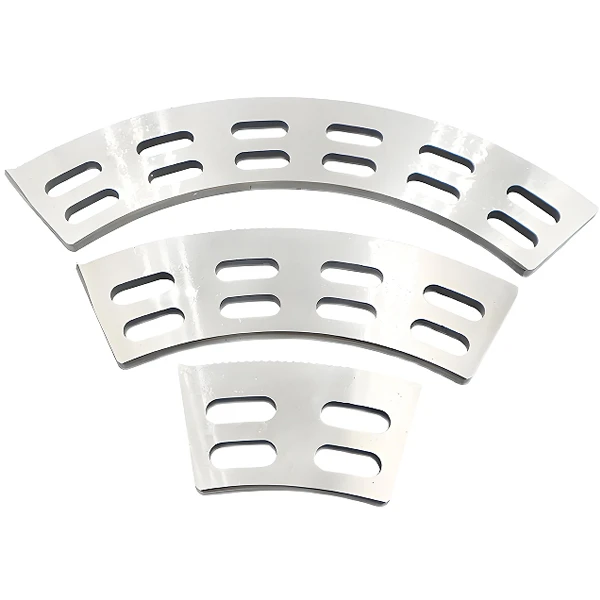
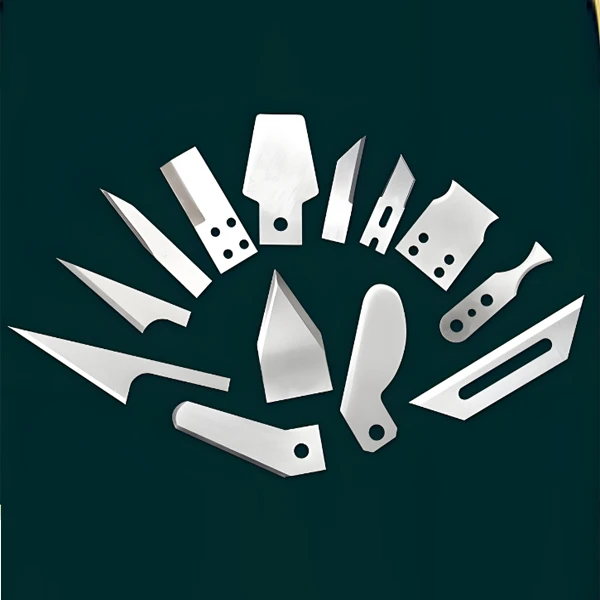

In Peru, the manufacturing sector is heavily influenced by the diverse geographic conditions, from the humid coast to the high-altitude Andes. This environmental variety puts significant stress on slitting machine blades, where oxidation and temperature fluctuations can lead to premature edge wear and material deformation.
The local economy's reliance on mining and agro-industrial processing has created a surge in demand for precision tooling. Specifically, the food processing plants in Peru require highly specialized tomato slicer blades that can withstand acidic environments while maintaining a clean cut to preserve product quality for export markets.
Currently, many Peruvian workshops struggle with the balance between cost and longevity. The shift toward imported high-tungsten carbide components is accelerating as local manufacturers realize that cheaper alternatives increase the total cost of ownership through frequent replacement and inconsistent slitting precision.