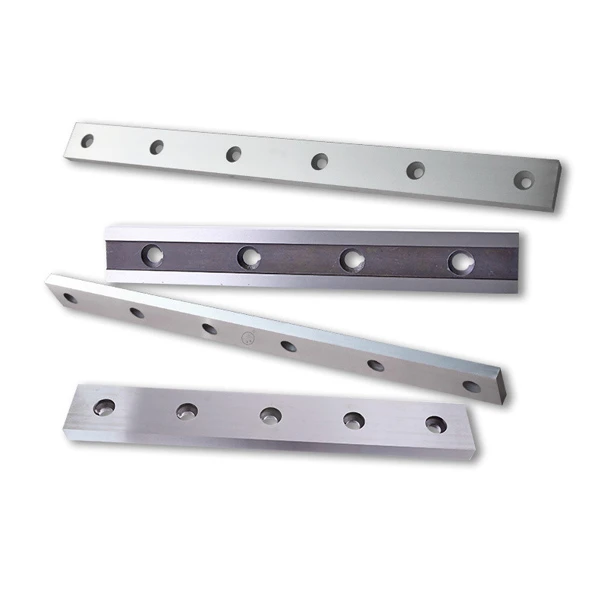
Romania's manufacturing sector, particularly in hubs like Cluj-Napoca and Timișoara, is experiencing a surge in demand for high-precision slitting machine blades. As the country integrates deeper into European automotive and packaging supply chains, the need for consistent dimensional accuracy has become a critical competitive factor.
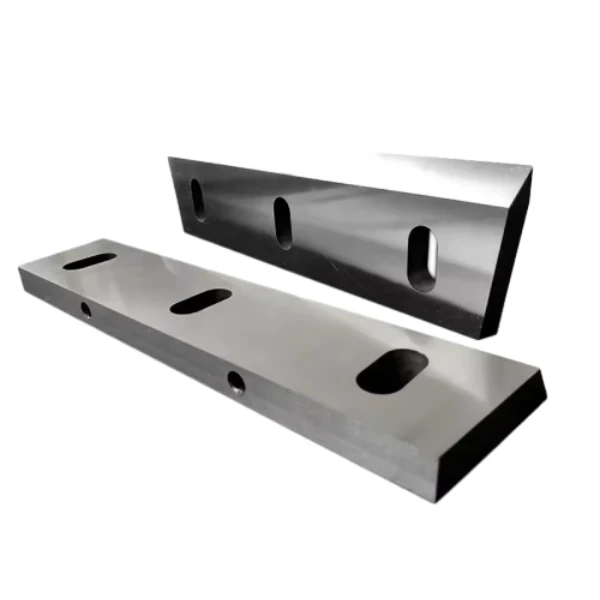
The local environment, characterized by a mix of legacy heavy industry and new high-tech investments, requires tools that can handle varied materials. The adoption of straight cutting blade technology has increased as Romanian factories transition from manual processes to automated, high-speed production lines to meet EU quality standards.
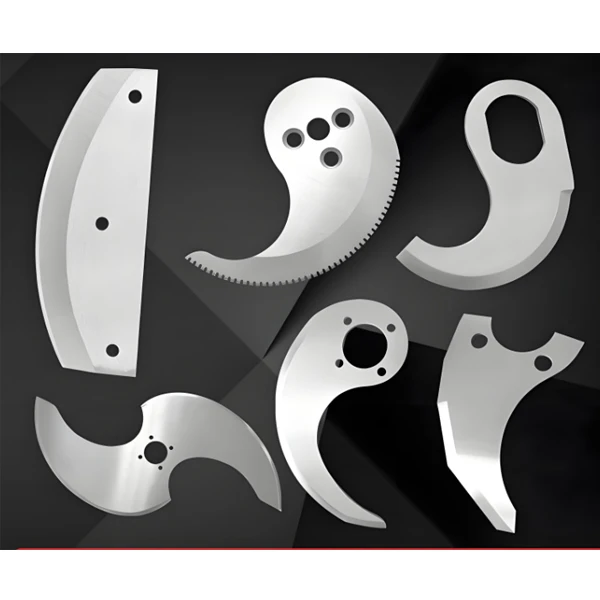
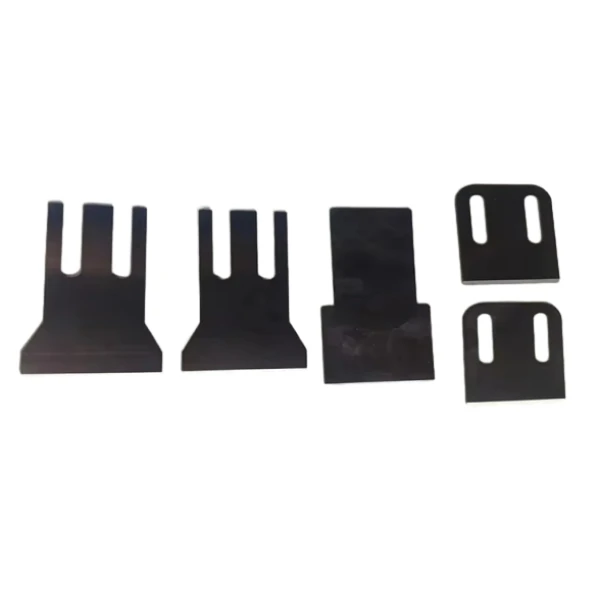
Furthermore, Romania's strong agricultural base has driven a specialized demand for food-grade precision tools. This is evident in the increasing procurement of tomato slicer blades for the regional food processing industry, where hygienic properties and edge retention are paramount to reducing waste.