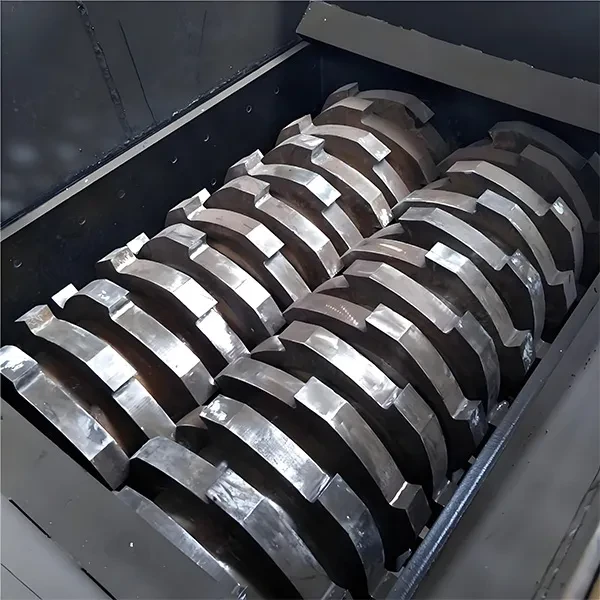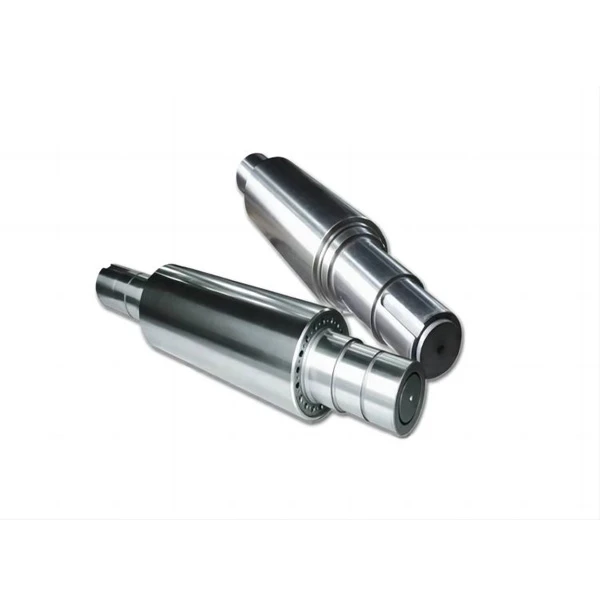
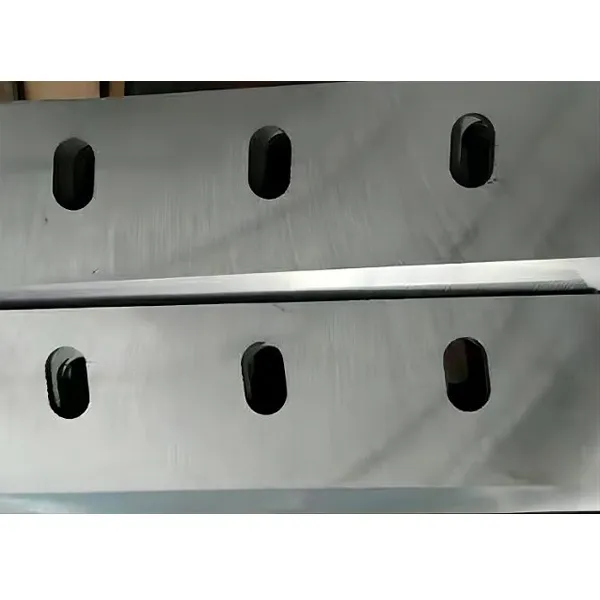
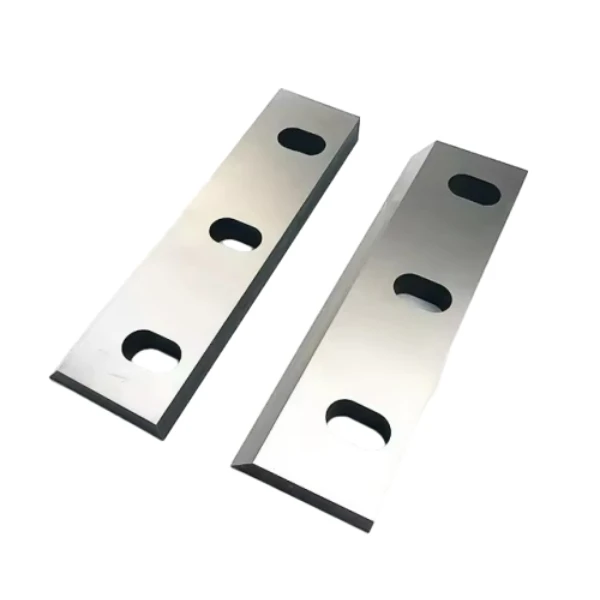
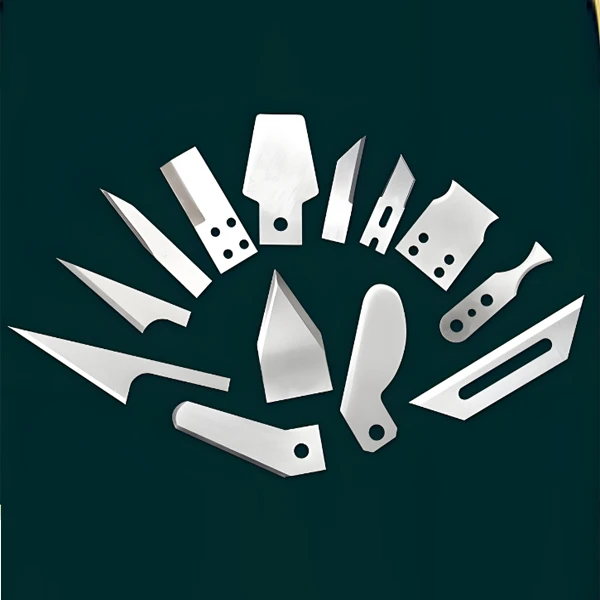
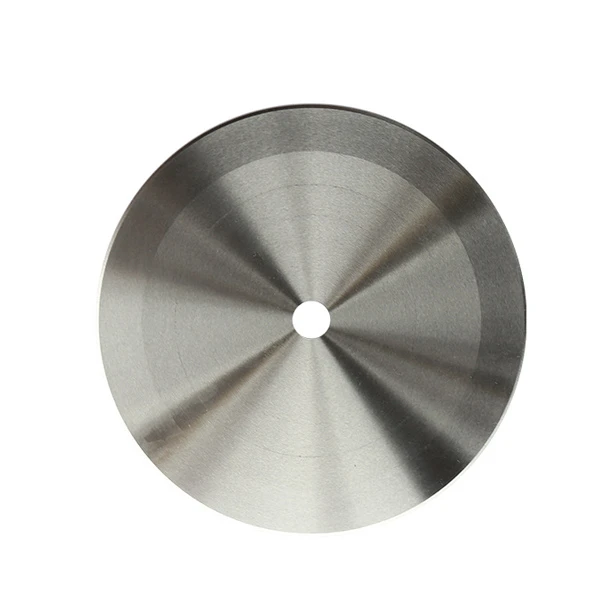
Sweden's manufacturing landscape is characterized by a strong commitment to sustainable engineering and high-precision standards. In the general equipment sector, there is a critical demand for slitting machine blades that can withstand the rigorous demands of cold-climate industrial operations and the processing of high-strength alloy steels commonly used in Nordic engineering.
The local market is shifting towards automation, requiring tools like the straight cutting blade to be integrated into CNC-driven systems. The precision required in Swedish automotive and aerospace components means that even a micron of deviation in a metal seal or cut can lead to significant operational failures, driving the need for superior material hardness.
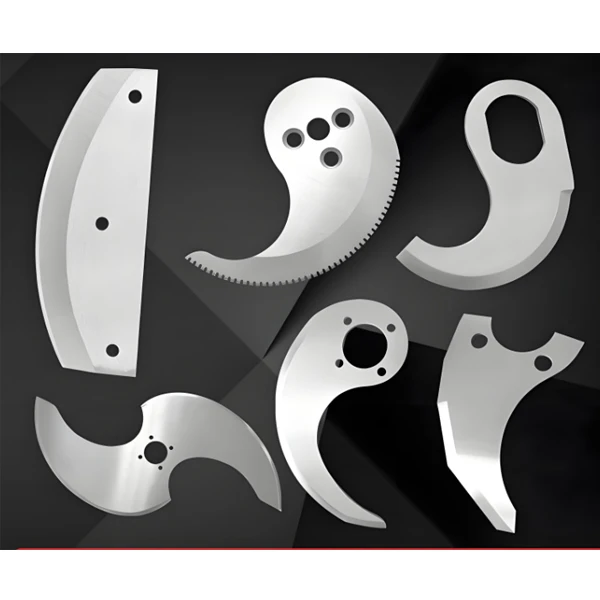
Furthermore, Sweden's robust food processing industry, particularly in the North, utilizes specialized tomato slicer blades and similar food-grade cutting tools. These must meet stringent EU hygienic standards while maintaining a sharp edge under high-volume throughput, balancing stainless steel corrosion resistance with industrial-grade wear resistance.