
See us at E-Waste World Expo 2026 ( Booth D136 ) June 17-18th , Messe Frankfurt, Germany

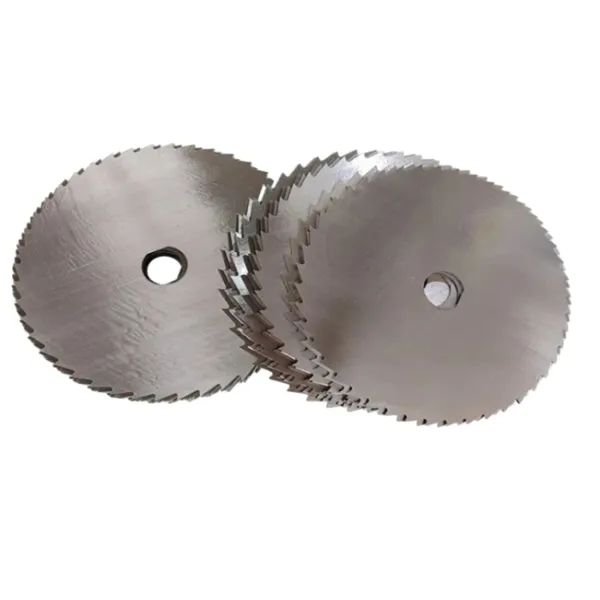
Premium Rotary Slitter Knives Solutions for Austria's Precision Industry

High-performance industrial cutting components engineered to meet the rigorous standards of Austrian general equipment manufacturing and metal sealing sectors.

Premium Rotary Slitter Knives Solutions for Austria's Precision Industry

Integrating advanced metallurgy with precision engineering to provide Austria's manufacturing sector with unparalleled cutting efficiency and tool longevity.

The Industrial Cutting Landscape in Austria

Analyzing the current state of precision slitting and sealing component manufacturing in the Alpine region.

Austria's manufacturing sector, particularly in the general equipment and metal sealing domains, is characterized by a relentless pursuit of "Qualitätsarbeit." The local industry faces a unique challenge where high humidity in certain Alpine regions requires straight cutting blade options with superior corrosion resistance to maintain edge integrity during long production cycles.

Currently, Austrian firms are shifting from generic tooling to highly specialized slitting machine blades. This transition is driven by the need to reduce material waste in the production of high-value metal seals and automotive components, where tolerance levels are measured in microns.

The economic environment in Austria encourages a "circular economy" approach. This means there is an increasing demand for rotary knives that can be reground multiple times without losing structural stability, emphasizing the need for high-grade tungsten carbide and specialized alloy steels.
Evolution of Precision Slitting Technology

From traditional mechanical shearing to AI-driven precision cutting systems.

Market Development History

During the late 20th century, the Austrian market relied heavily on traditional carbon steel shear slitting knives. These tools provided basic functionality but required frequent downtime for sharpening, limiting the throughput of general equipment manufacturing plants.

By the 2010s, a technical pivot occurred with the introduction of CVD and PVD coatings. This era saw the widespread adoption of high-speed steel (HSS) and the first generation of cobalt-bonded carbides, significantly extending the lifespan of tools used in the metal sealing industry.

In the current era, the integration of Industry 4.0 has transformed the trajectory. Cutting tools are no longer seen as consumables but as precision-engineered components that integrate with sensor-based monitoring systems to predict wear and optimize cutting angles in real-time.

Future Development Trends

Nano-structured Coating Integration

We anticipate a shift toward multi-layer nano-coatings that reduce friction coefficients, specifically for high-speed rotary slitter knives to eliminate burr formation in thin-gauge metal sheets.

Sustainable Material Sourcing

Following EU green directives, the trend is moving toward "Green Steel" and recycled carbide substrates that maintain high hardness while reducing the carbon footprint of the manufacturing process.

Customized Geometric Optimization

Using generative design and 3D simulation, the next 3-5 years will see blades tailored to the specific molecular structure of the material being cut, maximizing the shearing efficiency of the straight cutting blade.

Industry Outlook and Technological Forecasting

Mapping the trajectory of industrial cutting components for the next five years.

Predictive Wear Analysis
Integration of IoT sensors within blade holders to monitor real-time degradation of slitting edges.
Cryogenic Treatment
Adopting deep cryogenic processing to enhance the molecular stability of tungsten carbide blades.
Ultra-Precision Grinding
Moving towards sub-micron surface roughness to reduce heat generation during high-speed cutting.
Hybrid Tool Materials
Development of ceramic-metal composites for extreme wear environments in metal seal production.

Industry Outlook

Based on current Google search trends in the DACH region, there is a significant uptick in queries regarding "energy-efficient manufacturing" and "reduced tool downtime." This indicates that Austrian manufacturers are prioritizing blades that reduce the energy required for shearing through superior sharpness and reduced friction.

The future will be defined by the synergy between material science and digital monitoring. The shift toward customized shear slitting knives suggests a market moving away from "one size fits all" toward application-specific engineering, ensuring that every blade is optimized for the exact alloy and thickness of the workpiece.

Localized Application Scenarios in Austria

Practical deployments of high-precision cutting solutions across diverse Austrian industrial sectors.

01. Automotive Seal Production in Styria

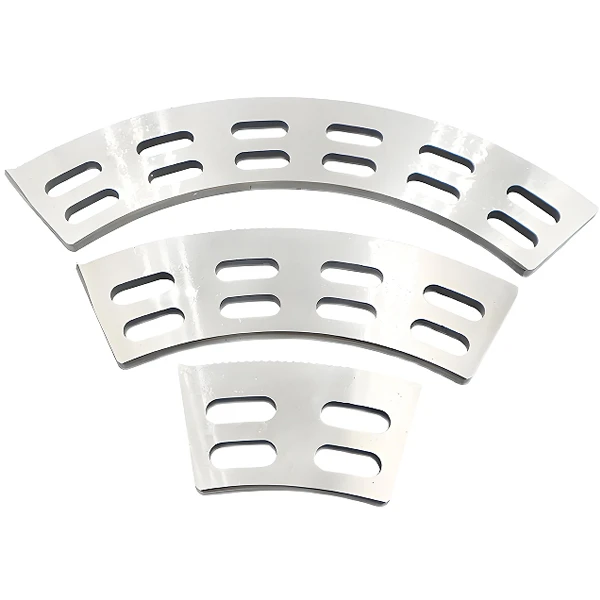
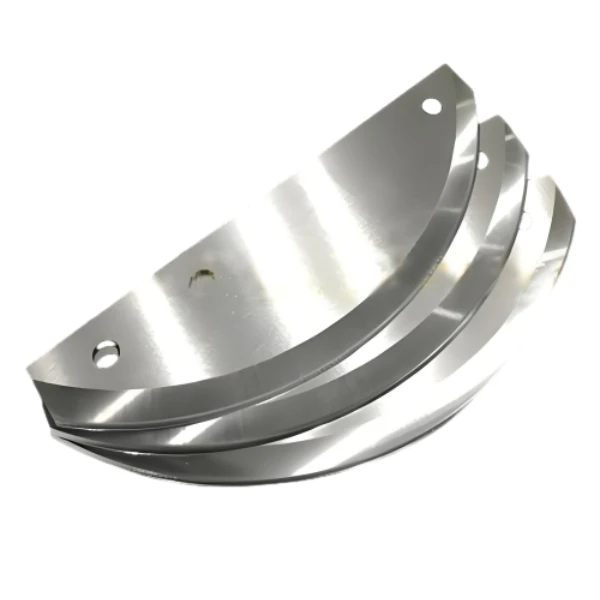
Deployment of high-precision rotary slitter knives for slicing high-performance elastomer and metal-composite gaskets, ensuring zero-deformation edges for leak-proof automotive seals.

02. Specialized Food Processing in Lower Austria

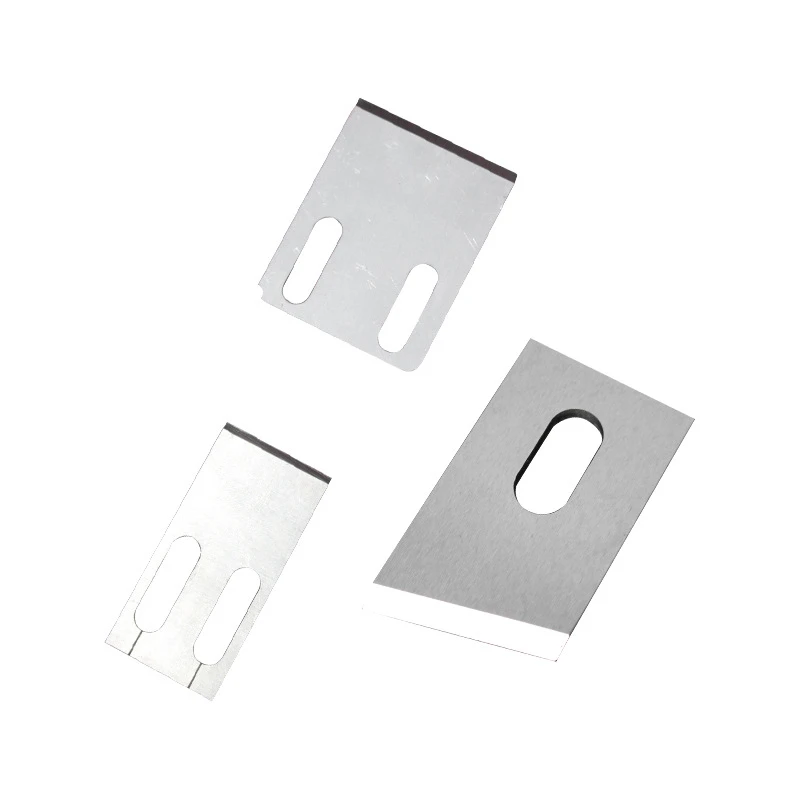
Utilization of food-grade stainless steel tomato slicer blades for automated processing lines, focusing on oxidation resistance and precise slice thickness to maintain product quality.

03. Metal Foil Slitting for Electronics in Vienna

Implementation of ultra-thin slitting machine blades for cutting conductive foils used in electronic components, where the absence of burrs is critical for electrical conductivity.

04. Precision Sheet Metal Engineering in Upper Austria

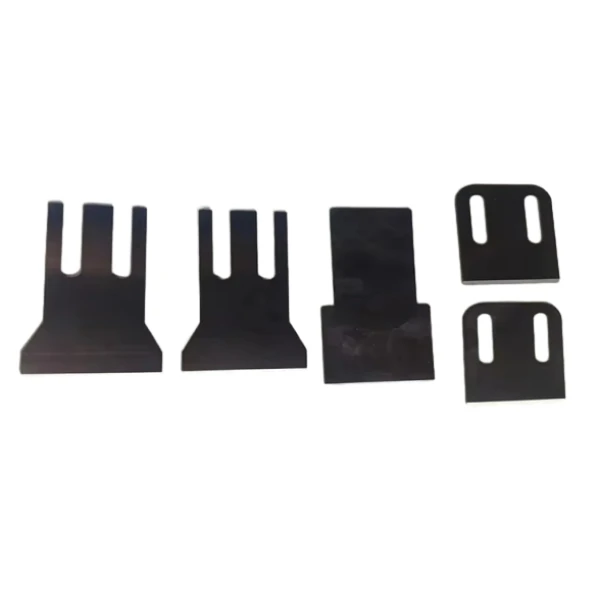
Application of heavy-duty shear slitting knives in the production of industrial chassis components, providing clean cuts through high-strength alloy steels.

05. Packaging Film Conversion in Vorarlberg

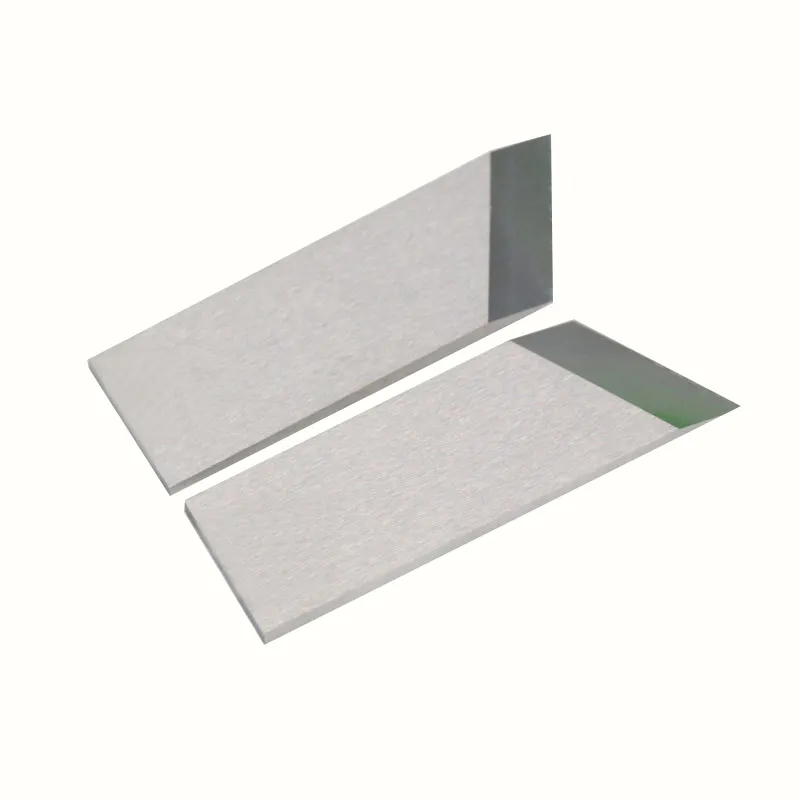
Use of specialized straight cutting blade systems for high-speed conversion of industrial packaging films, minimizing edge fraying and maximizing roll consistency.

Brand Story

Global Development History of Hebei Shunou Technology Co., Ltd.

Foundational Engineering Excellence

Established with a focus on the core mechanics of shearing, we began by solving the problem of premature edge wear in general equipment manufacturing.

Technological Diversification

We expanded our expertise into advanced carbide and cobalt alloys, developing a specialized range of rotary knives for the global metal sealing industry.

Global Quality Standardization

By aligning our production with international ISO and DIN standards, we successfully penetrated the rigorous European markets, including Austria and Germany.

Innovation in Material Science

Our R&D focused on PVD/CVD coating technologies, reducing the friction coefficient of our blades and increasing tool life by up to 300% for our clients.

Sustainable Future Vision

Today, we are committed to providing eco-friendly, high-efficiency cutting solutions that empower the next generation of smart factories worldwide.

Comprehensive Cutting Tool Portfolio for Austria

A full spectrum of precision blades engineered for the diverse needs of the Austrian industrial landscape.

Frequently Asked Questions for the Austrian Market

Expert answers to common technical queries regarding industrial slitting components.

How do I choose the right carbide grade for rotary slitter knives in metal seal production?

The choice depends on the hardness of the seal material. For hard metal composites, a fine-grain tungsten carbide with high cobalt content is recommended to balance hardness and toughness, preventing chipping.

What is the average lifespan of slitting machine blades when cutting high-strength alloy steel?

Lifespan varies by coating; however, PVD-coated blades typically last 3-5 times longer than uncoated HSS blades, depending on the cutting speed and lubrication used in the Austrian plant environment.

Can tomato slicer blades be customized for specific vegetable densities in food processing?

Yes, we offer customized edge geometries and blade spacing to ensure clean cuts across various densities, preventing crushing and maintaining the aesthetic quality of the produce.

How do I prevent burr formation when using a straight cutting blade on thin foils?

Burr formation is minimized by optimizing the clearance between the upper and lower blade and utilizing a mirrored surface finish on the blade edge to reduce friction.

What maintenance is required for shear slitting knives to ensure consistent tolerance?

Regular precision regrinding using CNC grinding machines is essential. We recommend a scheduled sharpening cycle based on the tonnage of material processed to avoid edge deformation.

Are your cutting tools compliant with European environmental and safety standards?

Absolutely. All our products are manufactured to meet the strict environmental regulations of the EU, utilizing REACH-compliant materials and sustainable production processes.

Ready to Optimize Your Cutting Precision?

Our engineering team is ready to provide tailored cutting solutions for your facility in Austria. Contact us today for a technical consultation.

Contact Us Now

If you are interested in our products, you can choose to leave your information here, and we will be in touch with you shortly.