See us at E-Waste World Expo 2026 ( Booth D136 ) June 17-18th , Messe Frankfurt, Germany

Premium rotary slitter knives Solutions for Hungary Industrial Sector

High-precision cutting tools engineered for the demanding standards of Hungarian manufacturing and food processing industries.

Premium rotary slitter knives Solutions for Hungary Industrial Sector

Integrating advanced metallurgy with precision engineering to provide the Hungarian market with superior edge retention and operational efficiency in metal and food slitting applications.

Industrial Cutting Landscape in Europe - Hungary

Analyzing the current demand for high-performance slitting components in Central Europe.

Hungary's manufacturing sector, particularly in the automotive and packaging hubs around Budapest and Győr, relies heavily on the precision of slitting machine blades. The regional economy is characterized by a high density of Tier 1 and Tier 2 suppliers who require zero-defect cutting to meet strict EU automotive safety standards.

In the agricultural sector, Hungary's role as a major food producer in Central Europe has driven a surge in demand for specialized tools like tomato slicer blades. The transition toward automated food processing requires blades that can withstand high-volume acidity and moisture without losing their edge.

Furthermore, the local metalworking industry is shifting from traditional manual shearing to automated lines utilizing shear slitting knives. This shift is motivated by the need to reduce material waste and optimize the cost-per-cut in a competitive European trade environment.
Evolution of Slitting Technology in Hungary

From traditional carbon steel to high-performance tungsten carbide solutions.

Market Development History

During the late 20th century, the Hungarian industrial landscape primarily utilized basic carbon steel blades, which required frequent sharpening and caused significant downtime in production lines.

By the early 2010s, the influx of German and South Korean automotive investments introduced a demand for straight cutting blade technology with tighter tolerances, leading to the adoption of powder metallurgy and coated alloys.

Today, the market has evolved into a "Smart Cutting" era, where blades are engineered with specific geometries to reduce heat buildup and friction, ensuring consistency across thousands of continuous rotations.

Future Development Trends

Nanocoating Integration

The next 3 years will see an increase in DLC (Diamond-Like Carbon) coatings to extend the lifecycle of tools in abrasive environments.

IoT-Enabled Wear Monitoring

Integration of sensors in slitting assemblies to predict blade failure before it occurs, reducing unplanned stoppages in Hungarian factories.

Sustainable Material Sourcing

A shift toward recyclable high-speed steels to align with the European Green Deal's circular economy requirements.

Strategic Outlook for Precision Cutting

Navigating the future of metal and food processing components in the EU.

Ultra-High Precision
Achieving micron-level accuracy to satisfy the rigorous quality control of Hungary's automotive exports.
Wear-Resistant Alloys
Development of cobalt-bonded carbides for extended tool life in heavy-duty metal slitting.
Food-Grade Compliance
Strict adherence to EFSA standards for all blades used in the Hungarian food processing chain.
Rapid Logistics
Optimized supply chains for just-in-time delivery to the industrial parks of Hungary.

Industry Outlook

Based on current search trends and industrial growth in the EU, the demand for precision cutting is shifting toward customization. Manufacturers are no longer seeking generic blades but rather tools optimized for specific material thicknesses and speeds.

The Hungarian market will likely see a 15% increase in the adoption of automated blade replacement systems, reducing human error and increasing the overall equipment effectiveness (OEE) of slitting lines.

Local Application Scenarios in Hungary

Real-world deployment of our cutting solutions across Hungarian industries.

01. Automotive Component Slitting

Providing high-durability shear slitting knives for the production of automotive gaskets and seals in the Győr industrial region, ensuring burr-free edges.

02. Agricultural Food Processing

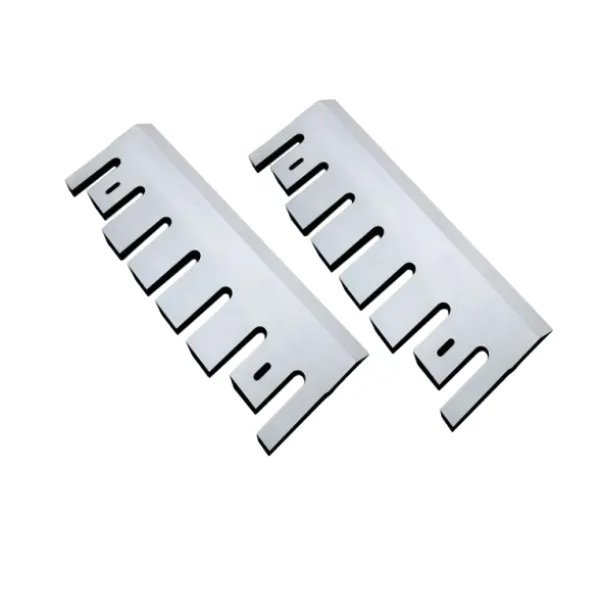
Deploying stainless steel tomato slicer blades for large-scale vegetable processing plants in rural Hungary, optimizing slice uniformity for export.

03. Packaging Material Conversion

Utilizing slitting machine blades for the conversion of aluminum foils and plastic films in Budapest-based packaging facilities.

04. Industrial Metal Shearing

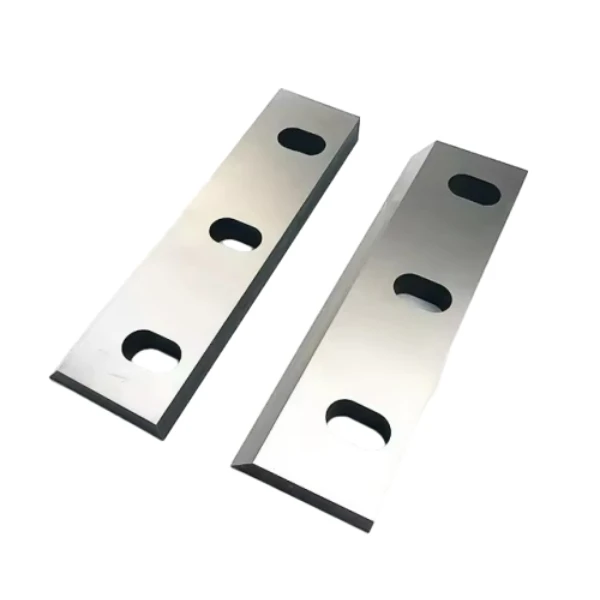
Implementing straight cutting blade sets for precision steel strip cutting in the heavy machinery sector, reducing material scrap.

05. High-Speed Rotary Slitting

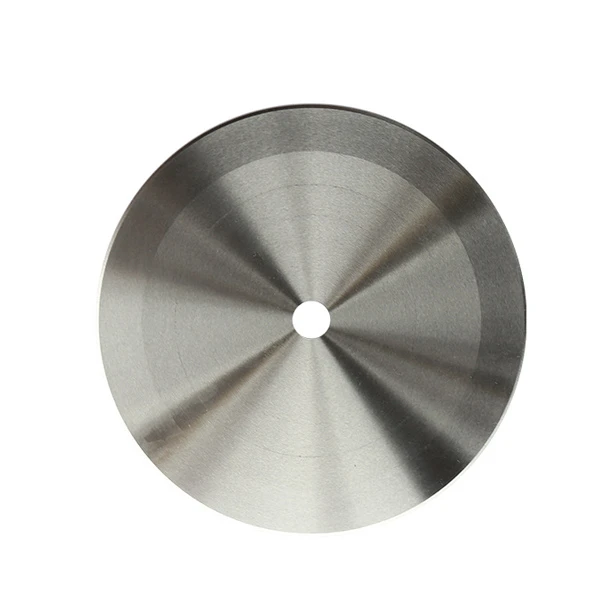
Applying rotary slitter knives for the high-speed production of narrow-width tapes and seals for the electronics industry.

Brand Story

Global Development Journey of Hebei Shunou Technology Co., Ltd.

Foundational Precision

Established with a mission to solve the common pain point of premature blade wear in heavy-duty manufacturing.

Technological Breakthrough

Perfected the synthesis of tungsten carbide and cobalt to create blades with unprecedented edge hardness.

European Expansion

Entered the European market, specifically targeting the high-precision needs of the Hungarian automotive sector.

Quality Certification

Achieved global ISO certifications to ensure that every blade meets international safety and performance standards.

Industry Leadership

Now recognized as a premier partner for custom cutting solutions in the general equipment manufacturing industry.

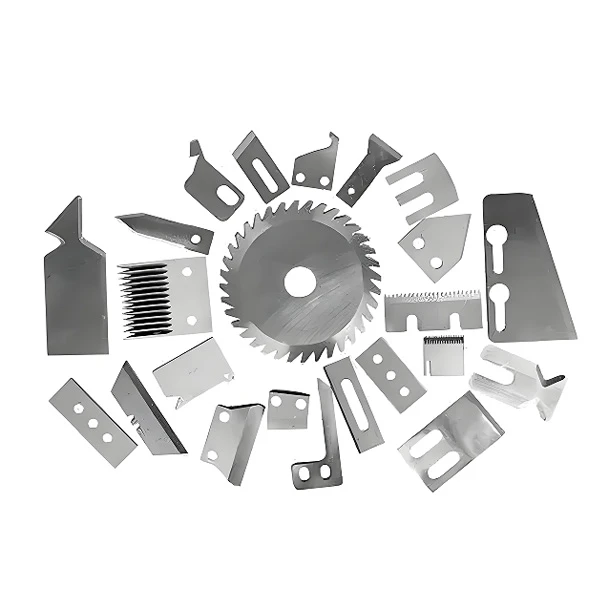
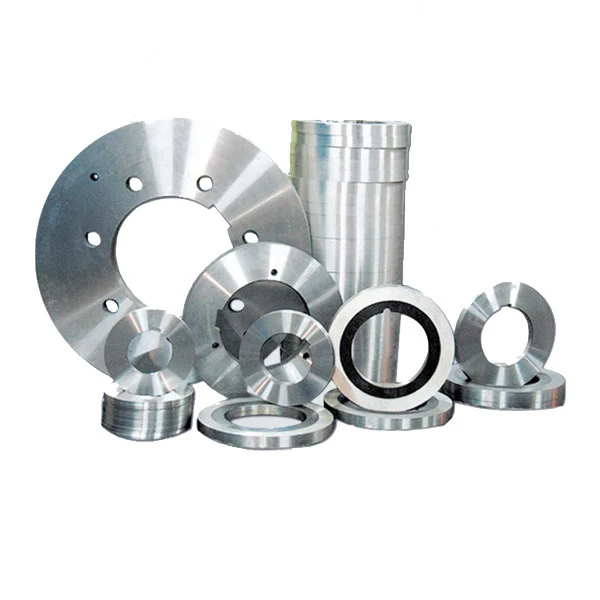
Comprehensive Cutting Tool Portfolio for Hungary

A full range of precision components designed for diverse industrial applications.

Frequently Asked Questions - Hungary Region

Expert answers to common technical queries regarding slitting blades.

How to choose the best slitting machine blades for automotive steel?

For automotive steel, we recommend tungsten carbide blades with a specific rake angle to ensure clean cuts and minimize burr formation, which is critical for safety components.

What is the lifespan of rotary slitter knives in high-volume production?

Lifespan varies by material, but our premium alloys typically last 3-5 times longer than standard carbon steel, reducing downtime in Hungarian factories.

Are your tomato slicer blades compliant with EU food safety regulations?

Yes, all our food-grade blades are manufactured from certified stainless steel that meets EFSA and EU health and safety standards for food contact.

How does a straight cutting blade differ from a shear slitting knife?

A straight cutting blade is typically used for linear slicing, whereas a shear slitting knife is designed for high-pressure shearing of metal coils and strips.

Can you customize the hardness of shear slitting knives for specific alloys?

Absolutely. We can adjust the heat treatment process to achieve a specific Rockwell hardness (HRC) tailored to the material you are cutting.

What are the delivery lead times for orders shipped to Hungary?

We maintain a streamlined logistics network that allows for rapid shipping to Hungary, with typical delivery times ranging from 5 to 12 business days depending on customization.

Get a Professional Cutting Consultation

Ready to optimize your production line? Contact our engineering team for custom blade solutions tailored to the industrial needs of Hungary.

Contact Us Now

If you are interested in our products, you can choose to leave your information here, and we will be in touch with you shortly.