See us at E-Waste World Expo 2026 ( Booth D136 ) June 17-18th , Messe Frankfurt, Germany

Advanced Industrial Cutting Solutions for Rotary Slitter Knives in Chile

High-precision metal sealing and general component cutting tools engineered for the rigorous demands of the Chilean manufacturing sector.

Advanced Industrial Cutting Solutions for Rotary Slitter Knives in Chile

Optimizing industrial productivity in South America through precision-engineered rotary slitter knives and high-performance cutting components.

Current Landscape of Industrial Cutting in Chile

Analyzing the operational challenges of metal components in the Chilean market.

Chile's manufacturing sector, particularly in the central valleys, faces unique challenges due to high humidity in coastal regions and extreme aridity in the north. This creates an environment where slitting machine blades are prone to accelerated oxidation and premature wear, necessitating specialized coatings and high-grade alloys to maintain edge integrity.

The dominance of the mining and agricultural export industries has pushed the local general equipment sector toward a higher demand for automation. Consequently, there is a shift from generic cutting tools to high-precision shear slitting knives capable of handling high-tensile materials used in industrial packaging and structural components.

Currently, Chilean workshops are transitioning from manual maintenance to predictive replacement cycles. The integration of straight cutting blade technology is becoming essential for sectors focusing on metal sealing and precision gaskets, where tolerance levels have dropped to micron-scale requirements.
Evolution and Trajectory of Cutting Technology

From traditional mechanical shearing to smart precision cutting.

Market Development History

From 1990 to 2005, the Chilean market relied heavily on basic carbon steel tools. Cutting processes were primarily manual, and the lifespan of straight cutting blade components was short, leading to high downtime in general equipment manufacturing.

Between 2006 and 2018, the introduction of tungsten carbide and high-speed steel (HSS) revolutionized the industry. The adoption of rotary slitter knives allowed for continuous production lines, significantly increasing the throughput of metal foil and sealing strip manufacturing.

Since 2019, the focus has shifted toward surface engineering. The application of TiN and DLC coatings has become standard to combat the corrosive coastal air of Chile, ensuring that shear slitting knives maintain a sharper edge for longer durations.

Future Development Trends

AI-Driven Wear Prediction

Integration of sensors into blade holders to monitor real-time degradation, reducing unplanned stoppages in Chilean production plants.

Sustainable Alloy Development

A shift toward recyclable cobalt-free carbides to meet new environmental regulations within the South American trade bloc.

Ultra-High Precision Geometries

Development of specialized tomato slicer blades and similar food-grade components using cryogenic treatment for extreme longevity in the agro-industrial sector.

Industry Trends and Future Outlook

Strategic directions for high-performance cutting components in South America.

Material Science Innovation
Transitioning to nano-crystalline structures to enhance the hardness of slitting machine blades.
Precision Automation
Adoption of CNC-grinding for rotary slitter knives to ensure zero-deviation edges.
Agro-Industrial Growth
Increased demand for high-durability tomato slicer blades for Chile's food export sector.
Modular Tooling
Quick-change systems for shear slitting knives to reduce setup times.

Industry Outlook

Based on regional search trends and industrial growth in Santiago and Valparaíso, the next 3-5 years will see a surge in "Smart Tooling" adoption. Companies are moving away from disposable blades toward high-value, re-sharpenable components that offer a lower total cost of ownership.

The integration of advanced metal sealing technology into the mining equipment supply chain will drive the need for more robust straight cutting blade variants, specifically those resistant to abrasive particulate contamination.

Localized Application Scenarios in Chile

Real-world implementation of precision cutting tools across Chilean industries.

01. Mining Equipment Sealing Production

Utilizing high-strength shear slitting knives to cut heavy-duty rubber and metallic composite seals used in the Atacama copper mines.

02. Agricultural Processing Centers

Implementing precision tomato slicer blades in the Central Valley's food processing plants for standardized export-grade slicing.

03. Metal Foil Manufacturing

Using high-speed rotary slitter knives for converting wide metal rolls into precise strips for the electronics and packaging industry in Santiago.

04. Industrial Gasket Fabrication

Employing straight cutting blade systems for the precise trimming of high-temperature gaskets used in chemical plants.

05. General Parts Conversion

Applying versatile slitting machine blades for custom metal component manufacturing for the Chilean automotive aftermarket.

Brand Story

Global Development Journey of Hebei Shunou Technology Co., Ltd.

Foundation and Core Focus

Started with a mission to solve the pain point of premature blade wear in heavy manufacturing through advanced metallurgy.

Technological Breakthrough

Developed proprietary heat-treatment processes that increased the edge life of industrial knives by 40%.

Global Market Expansion

Extended operations to South America, providing tailored cutting solutions for the Chilean mining and agro-sectors.

Precision Certification

Achieved international quality standards for micron-level precision in rotary and shear cutting tools.

Future-Proofing Manufacturing

Investing in R&D for sustainable, high-performance alloys to lead the next generation of industrial cutting.

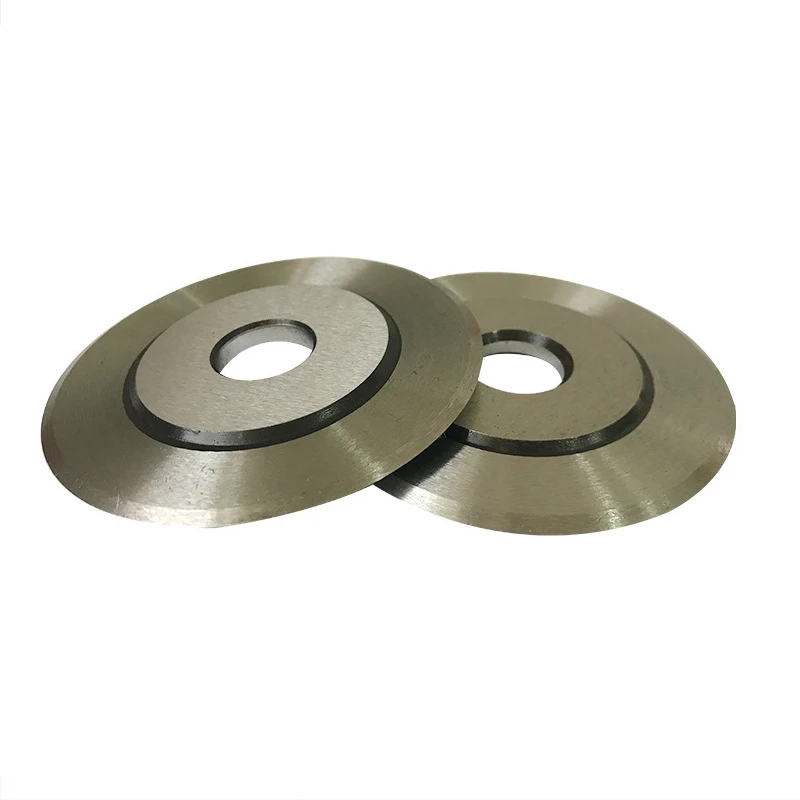
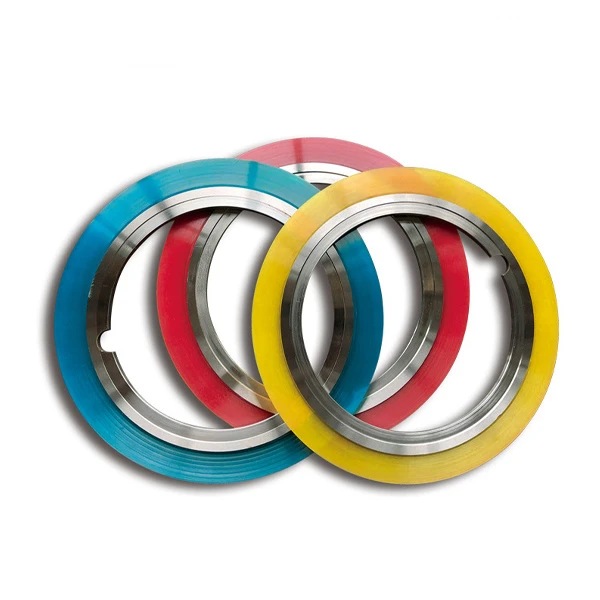
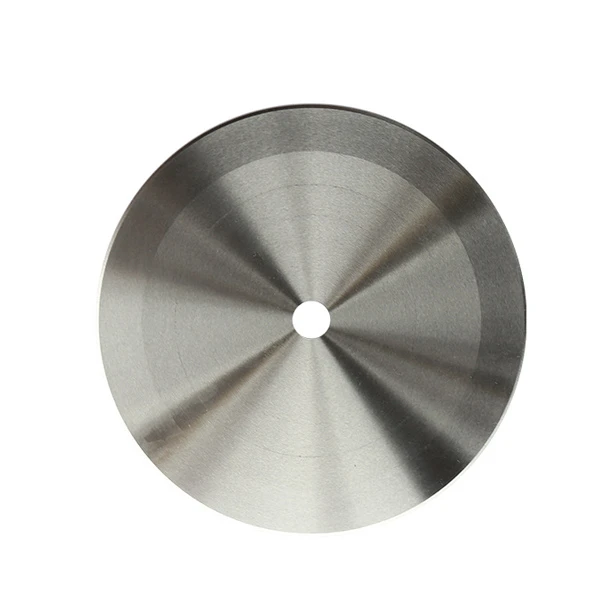
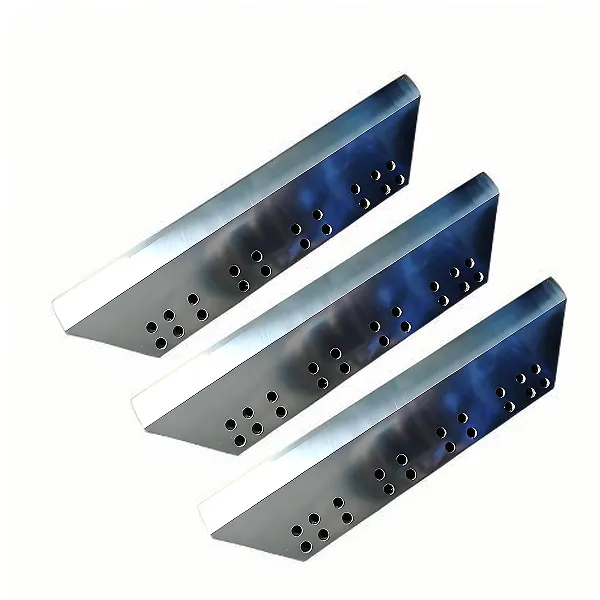
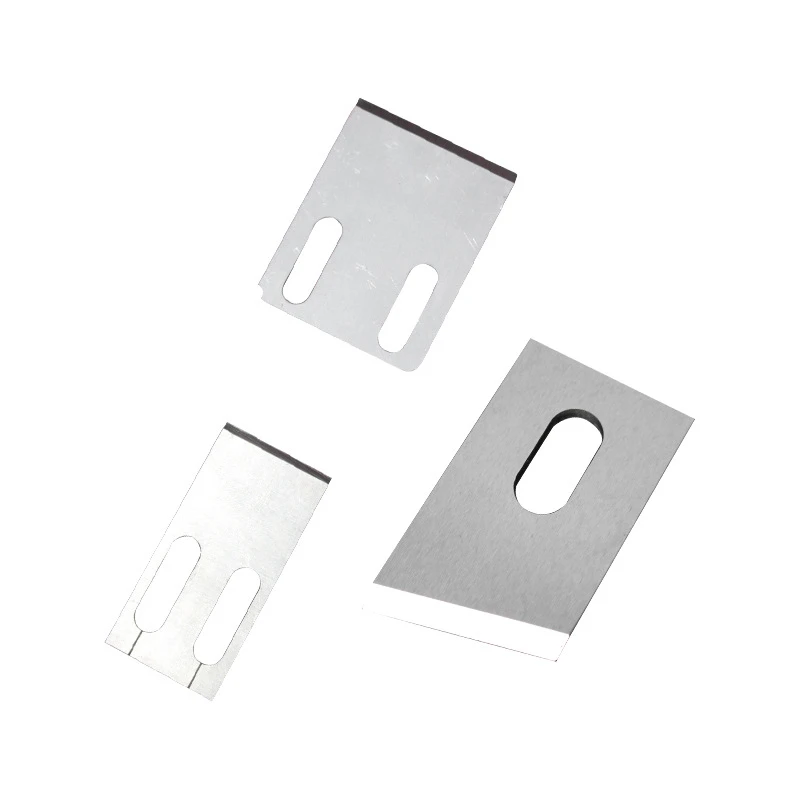
Complete Cutting Tool Portfolio for the Chilean Market

A comprehensive range of high-durability blades designed for South American industrial standards.

Common Industrial Cutting FAQs in Chile

Expert answers to the most frequent technical queries from our Chilean partners.

How to prevent corrosion of slitting machine blades in coastal Chilean cities?

We recommend using DLC (Diamond-Like Carbon) or Chromium-nitride coatings which provide a superior barrier against the salty, humid air common in regions like Valparaíso.

What is the average lifespan of rotary slitter knives in heavy-duty mining applications?

Depending on the material hardness, our tungsten carbide rotary knives typically last 3-5 times longer than standard HSS blades before requiring regrinding.

Can tomato slicer blades be customized for specific Chilean agricultural produce?

Yes, we offer customized blade pitches and serration patterns to optimize the slicing of specific regional produce varieties to minimize waste.

What is the best material for a straight cutting blade used in metal seals?

For metal sealing components, a powder metallurgy steel (PM Steel) is ideal as it offers a perfect balance of toughness and wear resistance.

How do shear slitting knives handle high-tensile steel used in Chilean construction?

Our shear knives are engineered with a specific relief angle and high-core hardness to prevent chipping while cutting high-tensile structural steel.

What lead time should I expect for custom blade orders delivered to Santiago?

Standard precision blades are typically processed and shipped within 7-14 days, with expedited logistics options available for urgent industrial needs.

Request a Precision Cutting Consultation

Our technical team is ready to optimize your production lines with high-performance blades across Chile.

Contact Us Now

If you are interested in our products, you can choose to leave your information here, and we will be in touch with you shortly.