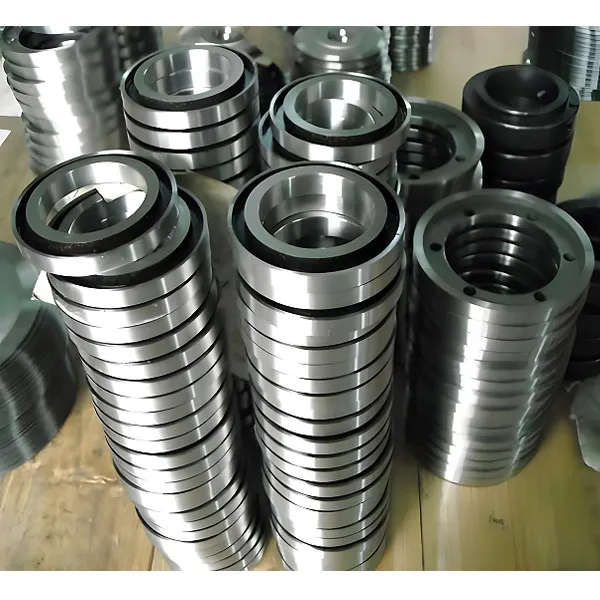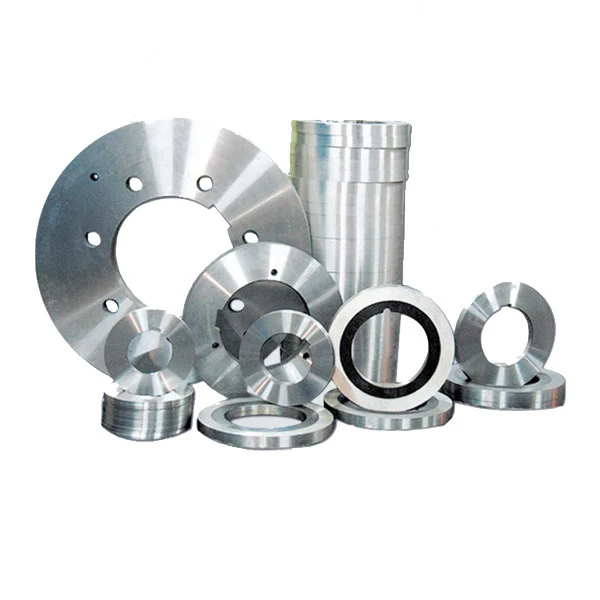

Uganda's manufacturing sector is currently experiencing a transition toward automation, particularly in the production of general components. However, the high humidity and tropical climate of the region often lead to accelerated oxidation of lower-grade slitting machine blades, creating a critical demand for corrosion-resistant materials.
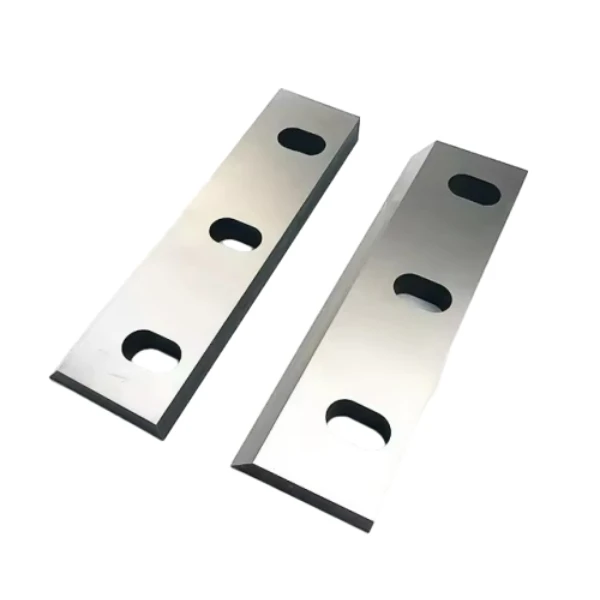
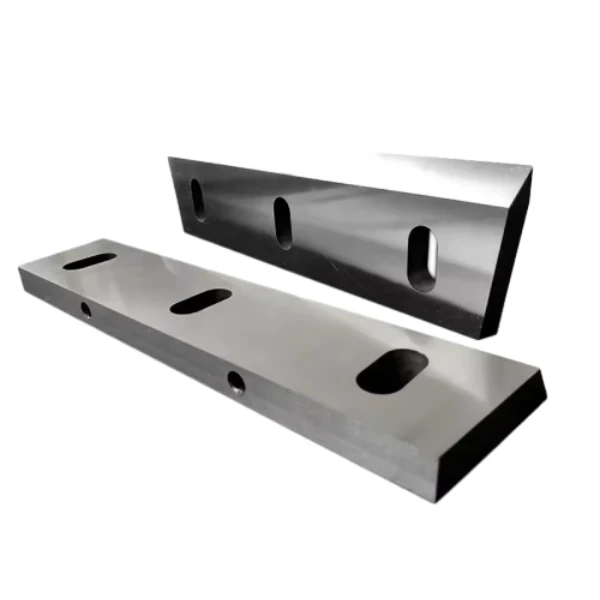
Local workshops often struggle with the balance between cost and longevity. Many facilities still rely on outdated tooling, which increases the scrap rate when using shear slitting knives for heavy-duty industrial metal sheets, hindering the overall productivity of the Kampala industrial hubs.
The growth of the Ugandan food processing industry has also highlighted a gap in specialized tooling. The need for high-precision tomato slicer blades has surged as local agribusinesses move toward export-quality packaging, necessitating a shift from manual cutting to automated rotary systems.