See us at E-Waste World Expo 2026 ( Booth D136 ) June 17-18th , Messe Frankfurt, Germany

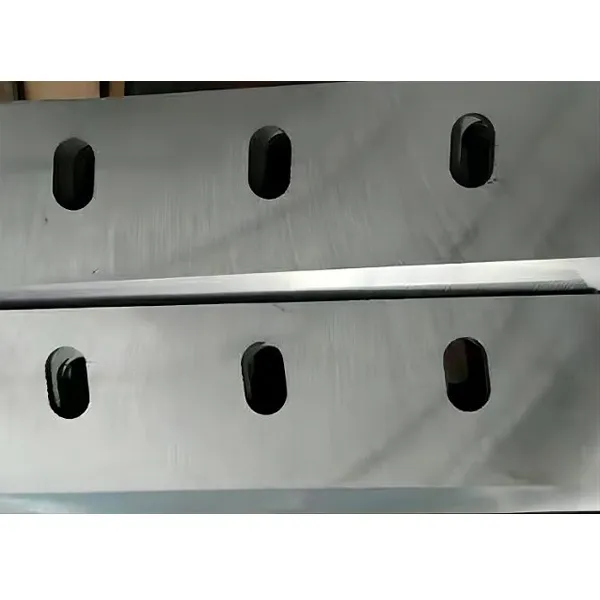
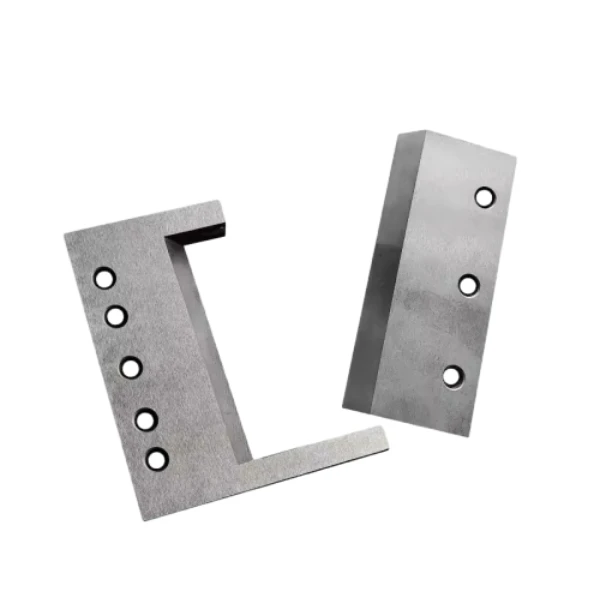
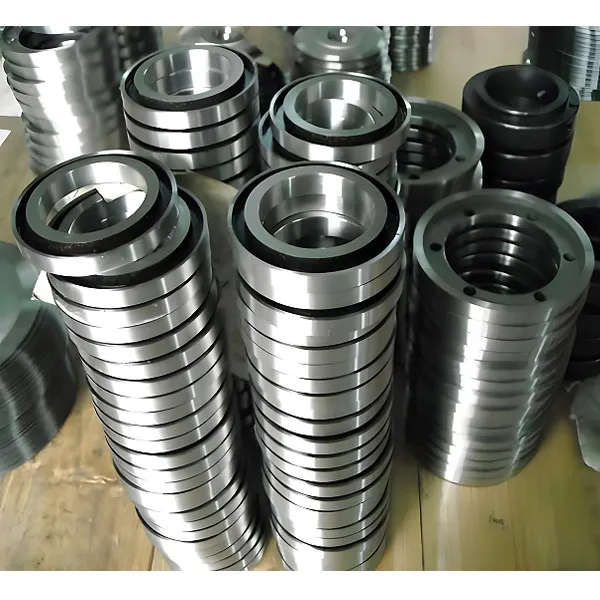
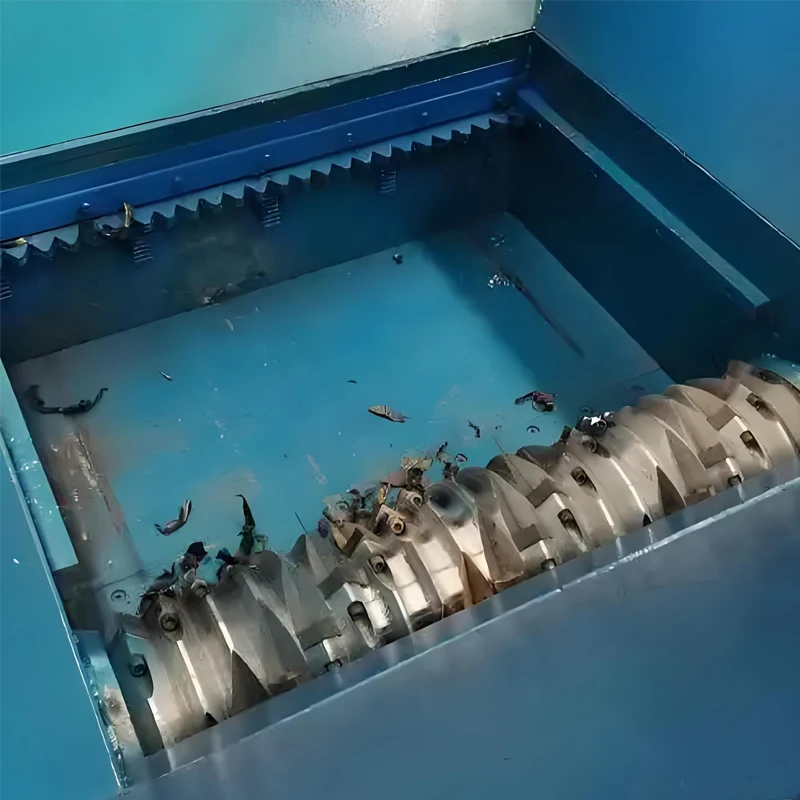
Precision rotary slitter knives Solutions for Switzerland's High-End Manufacturing

Engineered for extreme durability and Swiss-grade precision, optimizing the cutting performance of industrial metal sealing and general component production.

Precision rotary slitter knives Solutions for Switzerland's High-End Manufacturing

Providing high-performance cutting tools designed to meet the rigorous standards of Swiss industrial engineering, ensuring seamless integration and minimal downtime for metal component fabrication.

Industrial Cutting Landscape in Switzerland

Analyzing the intersection of high-precision requirements and metallurgical excellence in the Swiss market.

Switzerland's manufacturing sector is characterized by an uncompromising commitment to quality and "Swiss Made" precision. In the realm of metal sealing and general component production, the demand for slitting machine blades is driven by the need for microscopic tolerances and zero-defect outputs, particularly in the watchmaking, medical device, and aerospace sectors.

Given the country's economic focus on high-value-added products, local manufacturers prioritize tool longevity and energy efficiency. The application of straight cutting blade technology in these facilities is not merely about separation, but about maintaining the structural integrity of specialized alloys used in high-pressure sealing components.

Furthermore, the Swiss market is increasingly integrating automation and Industry 4.0. This shift requires cutting tools that can withstand higher operational speeds while maintaining thermal stability, pushing the boundaries of traditional metallurgy to avoid thermal expansion during critical slitting processes.
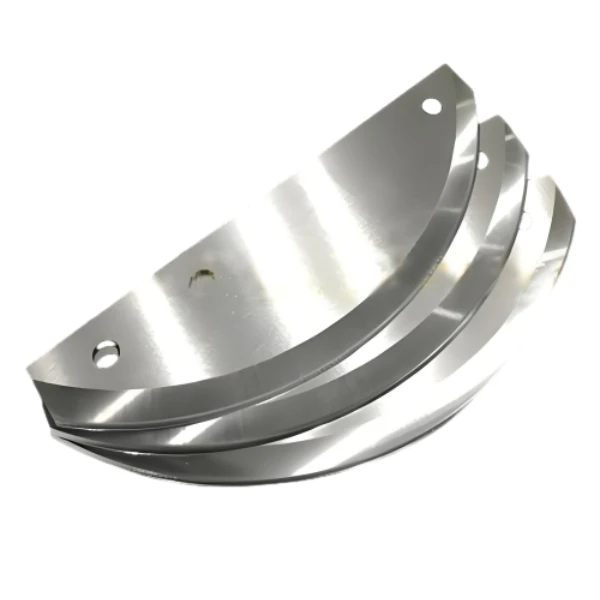
Evolution of Precision Cutting Technology

From traditional mechanical shearing to AI-driven precision cutting.

Market Development History

In the late 20th century, the industry relied on conventional carbon steel tools, where shear slitting knives were manually sharpened and lacked consistent hardness across the blade edge, leading to frequent replacements in Swiss factories.

Between 2000 and 2015, the transition to Tungsten Carbide and specialized powder metallurgy occurred. This era introduced the ability to maintain a sharper edge for longer durations, significantly reducing the cost-per-cut for metal sealing components.

From 2016 to the present, the focus has shifted toward advanced coatings like DLC (Diamond-Like Carbon) and TiAlN. These innovations have optimized the friction coefficient, allowing tomato slicer blades in the food processing sector and industrial knives in the metal sector to achieve unprecedented wear resistance.

Future Development Trends

Hyper-Precision Geometric Optimization

Future tools will utilize AI-generated geometries to reduce material waste and energy consumption during the slitting process.

Smart Sensor Integration

The integration of embedded sensors within the blade holder to monitor wear in real-time, predicting failure before it occurs.

Eco-Friendly Material Synthesis

Development of recyclable high-performance alloys to align with Switzerland's strict environmental sustainability goals.

Industry Outlook and Strategic Trends

Navigating the next frontier of industrial cutting efficiency.

Additive Manufacturing Integration
Utilizing 3D metal printing for complex blade cores to improve heat dissipation.
Nanostructured Coatings
Applying atomic-layer depositions to increase surface hardness and reduce friction.
Zero-Waste Cutting Logic
Optimization of slitting patterns to minimize scrap metal in Swiss high-cost environments.
Automated Tool Calibration
Implementing laser-guided alignment systems for instant blade positioning.

Industry Outlook

Based on current search trends and industrial growth in Central Europe, the demand for specialized cutting tools is shifting toward versatility. Companies are looking for blades that can handle multiple material grades without requiring frequent tool changes, which is critical for the agile manufacturing models adopted in Switzerland.

We anticipate a surge in the adoption of hybrid materials—combining the toughness of steel with the hardness of ceramics—to meet the extreme requirements of the next generation of metal sealing components.

Local Application Scenarios in Switzerland

Real-world deployments of our precision cutting solutions across Swiss industries.

1. High-Precision Watchmaking Component Slitting

Utilizing ultra-thin rotary slitter knives to cut micro-springs and gaskets for luxury timepieces in Geneva and Jura.

2. Medical Grade Sealing Production

Deployment of medical-grade straight cutting blade systems to produce biocompatible seals for surgical instruments.

3. Aerospace Alloy Processing

Implementing high-strength shear slitting knives for processing titanium and Inconel foils used in turbine components.

4. Pharmaceutical Packaging Lines

Integration of specialized slitting machine blades for precise foil cutting in sterile medication packaging.

5. Specialized Food Processing Automation

Application of high-durability tomato slicer blades for the high-end organic food processing industry in the Swiss Alps.

Brand Story

Global Development Journey of Hebei Shunou Technology Co., Ltd.

Founding Vision

Established to bridge the gap between raw material strength and surgical precision in the cutting tool industry.

Technological Breakthrough

Perfected the heat treatment process for powder metallurgy, enabling blades that last 3x longer than industry standards.

European Expansion

Strategically entered the Swiss and German markets to support the most demanding precision engineering firms.

Quality Standardization

Achieved global certifications for metal sealing components, ensuring every blade meets international ISO standards.

Industry Leadership

Now recognized as a premier partner for custom cutting solutions, solving the most complex wear-and-tear challenges globally.

Complete Cutting Tool Portfolio for the Swiss Market

A comprehensive range of industrial blades tailored for high-precision Swiss manufacturing.

Swiss Industrial Cutting FAQ

Expert answers to common technical challenges in metal slitting and component manufacturing.

How to choose the right rotary slitter knives for stainless steel foil?

For stainless steel, we recommend tungsten carbide grades with a specific cobalt binder percentage to balance hardness and toughness, preventing chipping during high-speed rotation.

What is the expected lifespan of slitting machine blades in a 24/7 Swiss production environment?

Depending on the material and coating (e.g., TiAlN), our blades typically last 40% longer than standard tools, though actual lifespan depends on the specific alloy being cut.

Do you provide custom straight cutting blade designs for medical seals?

Yes, we specialize in custom geometries and surface finishes to ensure zero contamination and burr-free edges for medical-grade components.

How do shear slitting knives differ in performance when cutting non-ferrous metals?

Non-ferrous metals like aluminum require a higher polish and specific edge angles to prevent material buildup (galling) on the blade surface.

Can tomato slicer blades be adapted for other high-viscosity food products?

Yes, by adjusting the blade pitch and coating, our slicing technology can be adapted for various soft-tissue food products while maintaining a clean cut.

What is the best way to maintain precision in rotary cutting systems?

Regular calibration of the knife gap and the use of precision shims are essential to maintain the shear angle and prevent edge deformation.

Request a Technical Consultation

Our engineering team is ready to optimize your production line in Switzerland. Contact us for custom cutting tool specifications.

Contact Us Now

If you are interested in our products, you can choose to leave your information here, and we will be in touch with you shortly.