See us at E-Waste World Expo 2026 ( Booth D136 ) June 17-18th , Messe Frankfurt, Germany

Look, I've been running around construction sites all year, smelling cement and oil, and frankly, the biggest trend I'm seeing right now is this push for everything to be 'smart'. Smart blades, smart granulators… it's a bit much, if you ask me. Everyone’s chasing automation, trying to save a few bucks on labor, but they forget the guy actually using the machine. To be honest, most of the time, they're just adding unnecessary complexity.
And speaking of complexity, have you noticed how everyone's obsessed with tighter tolerances? Seems like every spec sheet I get is demanding a smaller and smaller margin for error. It sounds good on paper, but in reality, it just means more downtime, more adjustments, and a lot more frustration for the maintenance crew. Seriously, a tenth of a millimeter isn’t going to make or break the operation most of the time.
But let’s talk blades. We're seeing a lot of high-speed steel (HSS) still, it’s reliable, but it gets dull fast. Then there’s carbide – that’s the workhorse, you can smell the cobalt when you first unwrap it, a bit metallic, kinda sharp even before you put it in the machine. We’re using a lot of SKS3 from Japan these days, good stuff. And surprisingly, some of the cheaper Chinese alloys are getting pretty decent, though you really gotta inspect ‘em closely for inconsistencies. You can tell just by the weight, the feel in your hand, if it’s gonna hold up.
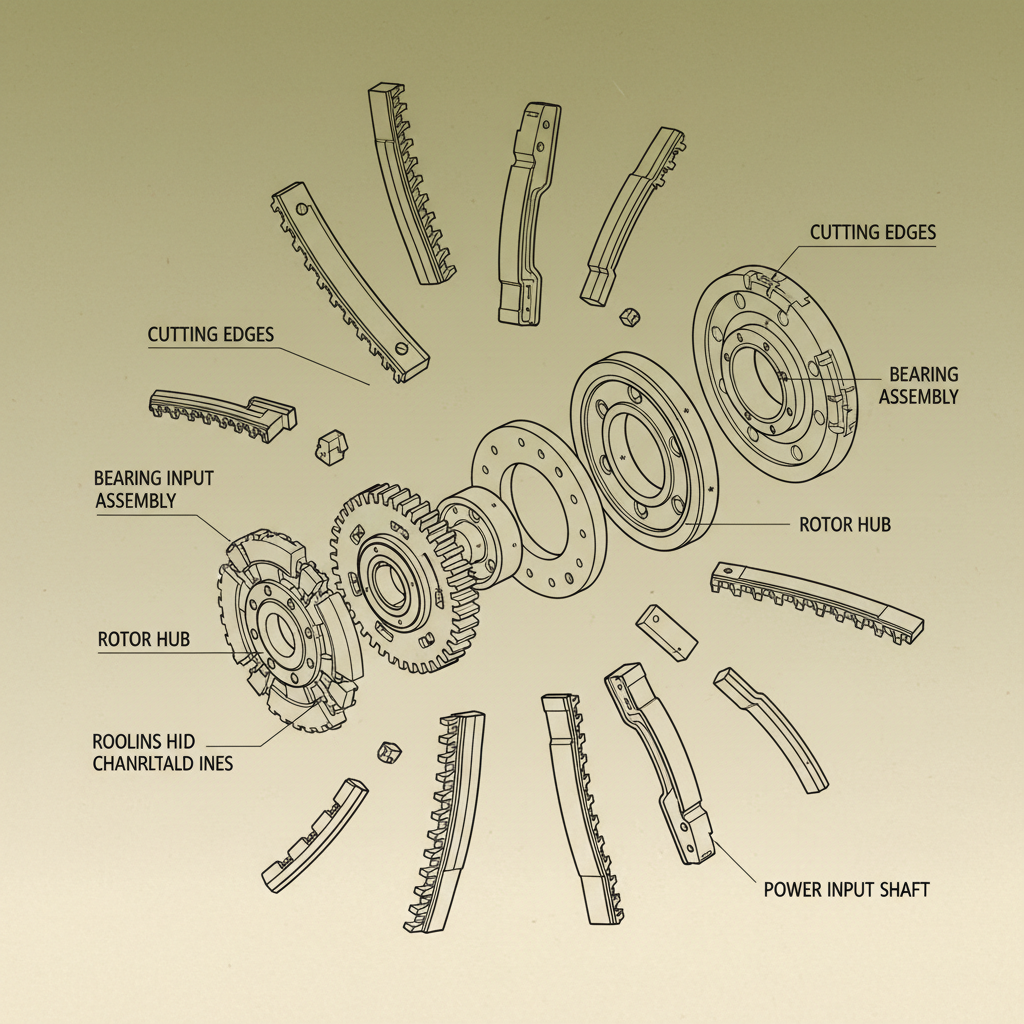
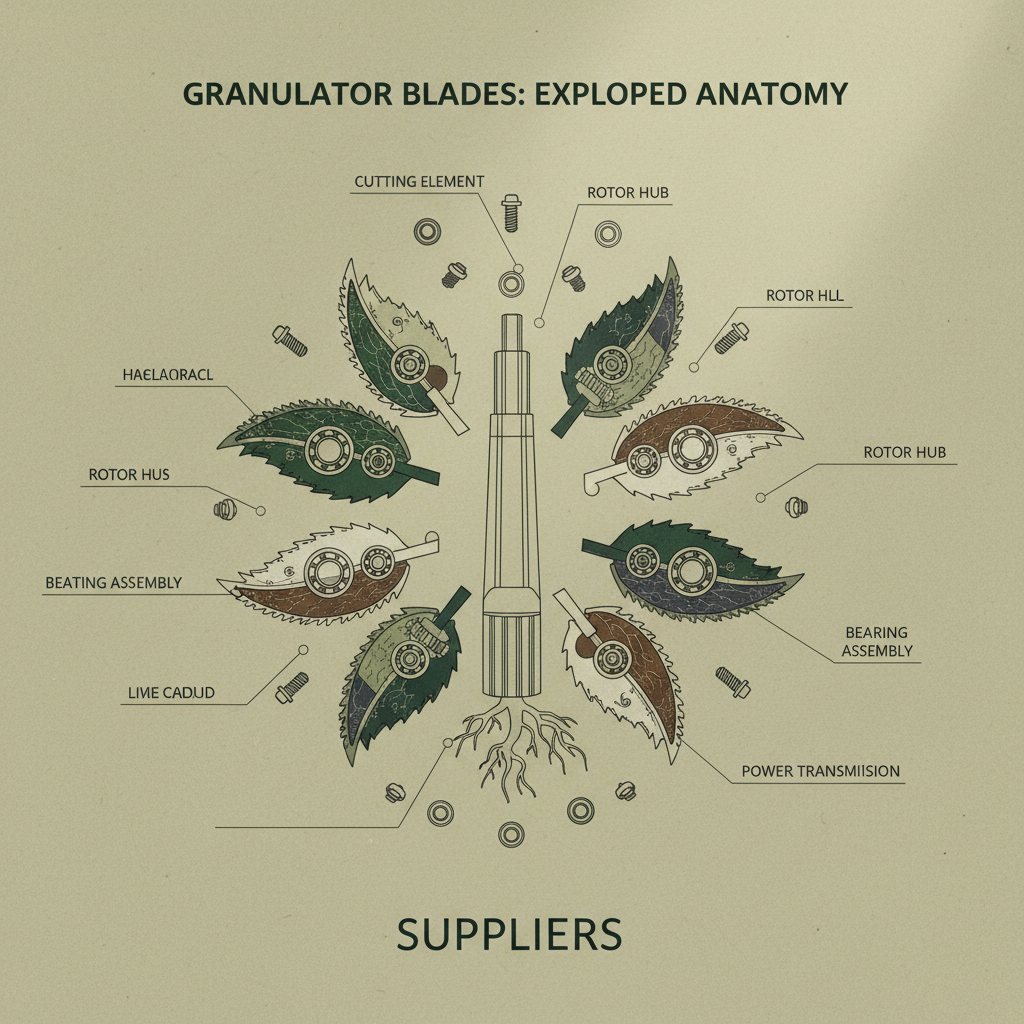
The big thing now is trying to make blades self-sharpening. I’ve seen a few designs, and honestly? They're usually more trouble than they’re worth. More moving parts, more things to break, and they rarely sharpen effectively. And don’t even get me started on the coatings. Titanium nitride, DLC… they look pretty, but they wear off eventually, and then you're back to square one. Strangely, the older, simpler designs often outlast the fancy stuff.
Another pitfall? Over-engineering the cooling system. Sure, keeping the blade cool is important, but some of these designs are so complex, they're prone to clogging and require constant maintenance. A simple, robust design with good airflow is almost always better.
That depends entirely on the material being processed and the operating conditions. Soft plastics might only dull a blade after a few weeks, while tougher materials like fiberglass could wear it down in a few days. Proper maintenance and monitoring are key to maximizing lifespan. We usually recommend keeping a log of run hours and inspecting blades regularly for signs of wear – chipping, cracking, or loss of sharpness.
Keep 'em dry, keep 'em clean, and ideally, keep 'em in their original packaging. Rust is the enemy. Also, don't stack them directly on top of each other – you'll dull the cutting edges. A blade rack is a good investment if you have a lot of spares. Seriously, a little care goes a long way.
You can, but I wouldn’t recommend it. It’s easy to mess up the geometry and create stress points, which can lead to premature failure. Unless you’re a trained machinist, it's better to send them to a professional sharpening service. They have the right tools and expertise to do the job properly.
The type of material you’re processing is the biggest factor. Soft plastics call for different blades than hard plastics or abrasive materials. Also consider the desired particle size, the throughput rate, and your budget. It’s a balancing act. We can help you select the right blade for your specific application.
Increased noise, reduced throughput, inconsistent particle size, and visible damage like chipping or cracking are all red flags. If you're seeing any of these signs, it’s time to replace the blade. Don’t wait until it fails completely – that can damage the granulator itself. Remember, a dull blade is a dangerous blade.
Absolutely. We specialize in custom blade designs. If you have a unique application or need a blade with specific geometry, we can work with you to develop a solution. Just send us your specifications, and we'll take it from there. We've done everything from changing the rake angle to designing entirely new tooth profiles.
So, there you have it. Granulator blades – it's not glamorous work, but it’s essential. From choosing the right material to understanding how users actually abuse them, there’s a lot that goes into getting it right. And these "smart" features? A lot of hype, not a lot of substance, if you ask me.
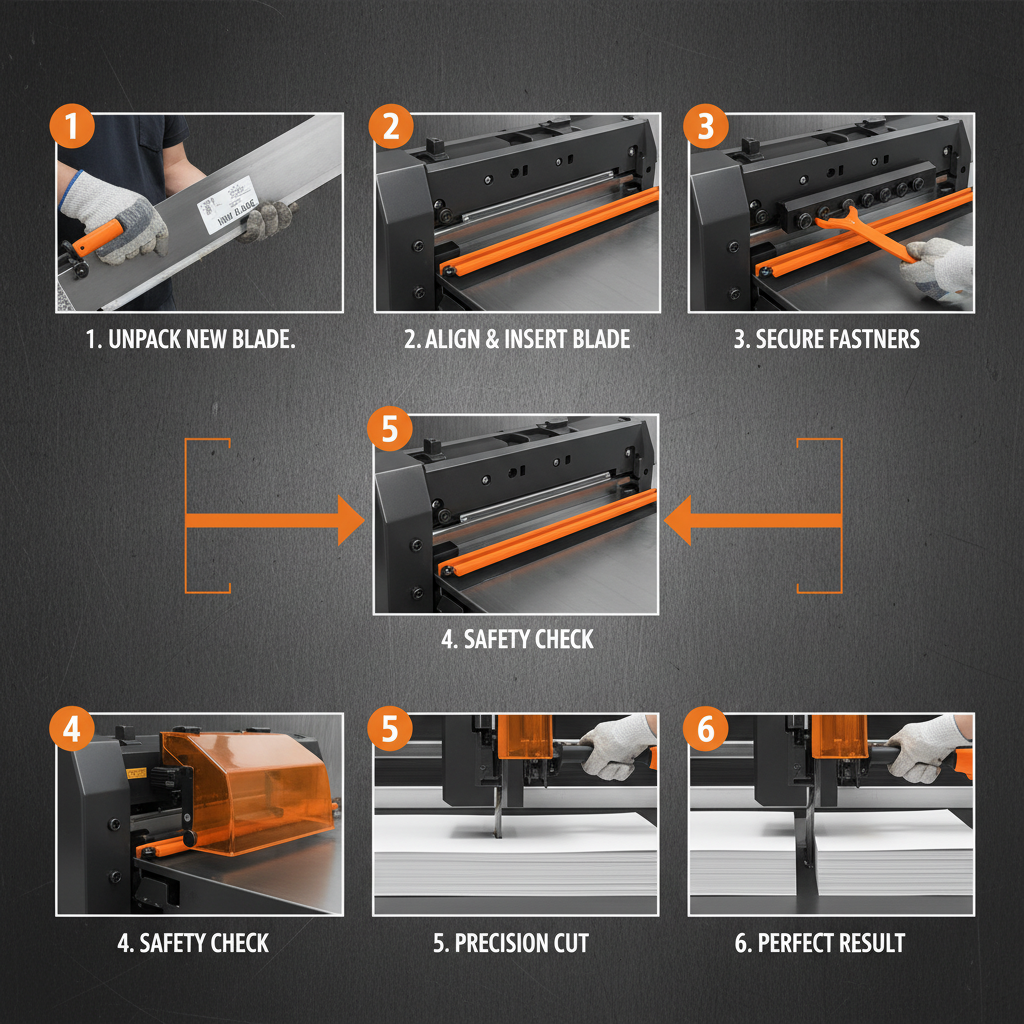
Ultimately, whether this thing works or not, the worker will know the moment he tightens the screw. If the material flows smoothly, the sound is right, and the chips are consistent, then you’ve got a good blade. And if not? Well, you know what to do. For reliable blades and expert advice, visit our website: www.mechblades.com